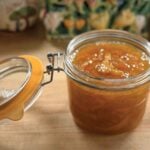
How to Make Tangerine Peel Tonic and Tangerine Sweetmeats
This recipe is a two-part process that first creates your tangerine peel tonic and then makes your honey-candied tangerine peels.For part one, this gentle tangerine peel tonic is a simple, old-world preparation made by simmering organic tangerine peels in water. Long used in traditional cultures to support digestion, ease congestion, and provide gentle nourishment during times of fatigue or recovery, this warm infusion is part food, in the form of a tea, and part homemade medicine—comforting, aromatic, and quietly supportive.For part two, honey-candied tangerine peels are an old-world way of preserving citrus peels when fruit was precious, and nothing was wasted. Long before refined sugar was commonplace, our ancestors gently blanched the peels to soften bitterness, then slowly simmered them in honey until tender and fragrant. The result is a softly preserved sweetmeat—less a modern candy and more a nourishing digestive treat, meant to be enjoyed in small, mindful amounts.
Servings: 1 quart tonic
Equipment
- 1 Vegetable peeler or small knife
- 1 medium saucepan
- 1 Small saucepan
- 1 Heatproof mug or jar
- 1 Small glass jar or crock with lid
Ingredients
- 6 organic tangerines, peeled Using the peels of the tangerines
- 1 quart filtered water
- 1 quart Small strip of fresh ginger, peeled Optional
- 2 cinnamon sticks, divided Optional
- 1 Drizzle of raw honey Optional
- 2 cups Pourable Honey For the Honey-Candied Tangerine Peels
- 1/2 cup Filtered water For the Honey-Candied Tangerine Peels
- 2 Whole cloves Optional for the Honey-Candied Tangerine Peels
Instructions
- Wash the organic tangerines very well under warm running water and pat them dry.
- Using a peeler or knife, remove the peels and cut them into thin strips. Some white pith is fine, but trim away any very thick sections.
- Place the peels in a medium saucepan and add the quart of filtered water.
- Bring the water just to a gentle boil, then immediately reduce to the lowest heat setting to simmer.
- Simmer covered for 30 minutes to blanch the peels. After 30 minutes, remove the lid. The liquid should be lightly amber in color and quite fragrant.
- Remove from heat and strain out the peels. This strained liquid is your tangerine peel tonic.
- Pour some of this tonic into a mug and sip warm, or allow it to cool and store it covered in the refrigerator for up to 24 hours. Rewarm gently on low heat.
- To continue with the second part of the recipe to make the honey-candied tangerine peels, repeat the blanching process two additional times, but for only 5 minutes with each subsequent blanch, to gently remove excess bitterness. After each blanching, drain the liquid into a separate container from the one used to collect the first blanching. You can use the liquid from these subsequent blanchings as described in the recipe post.
- After the final draining, transfer the peels to a small saucepan. Add the honey and 1/2 cup filtered water.
- Bring the mixture just up to a gentle simmer over the lowest heat setting. DO NOT BOIL.
- Simmer uncovered for 45–60 minutes, stirring occasionally, until the peels are soft, translucent, and well coated with honey.
- If using spices, add them during the last 15 minutes of simmering.
- Remove from heat and allow to cool slightly. Transfer the peels and honey to a clean jar or crock. You've created your honey-candied tangerine peels (Old-World Sweetmeats).
- Once fully cooled, cover and store in the refrigerator for up to 3 months.
Notes
For your tangerine peel tonic:
* Always use organic tangerines, as conventional citrus peels are treated with fungicides and waxes.
* This tonic is best enjoyed warm, especially during colder months or when recovering from illness.
* One small mug (½–1 cup) once or twice daily is plenty. This tonic is meant to support, not overwhelm.
* Tangerine peel has a naturally uplifting aroma that many people find comforting for digestion and mild congestion.
* Think of this as a nourishing kitchen tea rather than a medicinal remedy—simple and kind to the body. For your honey-candied tangerine peels: * Always use organic tangerines, as citrus peels concentrate agricultural chemicals.
* These peels are meant to be eaten in very small amounts—one or two strips after a meal is plenty.
* Traditionally, these peels were used as a digestive sweet, a winter treat, or chopped finely and added to cakes or breads.
* The honey becomes beautifully infused with the tangerine peel flavor and can be drizzled into tea or spooned over yogurt or toast.
* This recipe creates a softly preserved sweetmeat, not a firm modern candy—fragrant and very old-fashioned. Disclaimer: I am not a doctor or medical professional. If you are not feeling well, please seek professional medical attention and medicine. And if you are thinking of supplementing your treatment with home remedies, be sure to talk to your medical professional about them. It's important that you get the medicine and treatments you need to get back to good health. Also, remember that honey should never be given to infants under the age of one. And if you decide to introduce honey into your toddler's diet, be sure to check with your pediatrician first. Find this recipe at https://marysnest.com/how-to-make-tangerine-peel-tonic-and-tangerine-sweetmeats/ If you’re building a traditional foods kitchen or stocking a real foods pantry, be sure to get all the books in Mary’s Modern Pioneer cookbook series, published by Penguin Random House: https://marysnest.com/modern-pioneer-cookbook-series/ Copyright © 2026 Mary's Nest, LLC, All Rights Reserved
* This tonic is best enjoyed warm, especially during colder months or when recovering from illness.
* One small mug (½–1 cup) once or twice daily is plenty. This tonic is meant to support, not overwhelm.
* Tangerine peel has a naturally uplifting aroma that many people find comforting for digestion and mild congestion.
* Think of this as a nourishing kitchen tea rather than a medicinal remedy—simple and kind to the body. For your honey-candied tangerine peels: * Always use organic tangerines, as citrus peels concentrate agricultural chemicals.
* These peels are meant to be eaten in very small amounts—one or two strips after a meal is plenty.
* Traditionally, these peels were used as a digestive sweet, a winter treat, or chopped finely and added to cakes or breads.
* The honey becomes beautifully infused with the tangerine peel flavor and can be drizzled into tea or spooned over yogurt or toast.
* This recipe creates a softly preserved sweetmeat, not a firm modern candy—fragrant and very old-fashioned. Disclaimer: I am not a doctor or medical professional. If you are not feeling well, please seek professional medical attention and medicine. And if you are thinking of supplementing your treatment with home remedies, be sure to talk to your medical professional about them. It's important that you get the medicine and treatments you need to get back to good health. Also, remember that honey should never be given to infants under the age of one. And if you decide to introduce honey into your toddler's diet, be sure to check with your pediatrician first. Find this recipe at https://marysnest.com/how-to-make-tangerine-peel-tonic-and-tangerine-sweetmeats/ If you’re building a traditional foods kitchen or stocking a real foods pantry, be sure to get all the books in Mary’s Modern Pioneer cookbook series, published by Penguin Random House: https://marysnest.com/modern-pioneer-cookbook-series/ Copyright © 2026 Mary's Nest, LLC, All Rights Reserved
QR code
Scan this QR code with your phone's camera to view this recipe on your mobile device.
