
If you’ve ever peeled a tangerine and tossed the fragrant peel into the compost, you may be surprised to learn that our ancestors would have paused before doing so. Long before modern supplements, wellness trends, or “detox” claims, citrus peels were carefully used in traditional kitchens—not as miracles, but as gentle supports for digestion, comfort, and nourishment.
Today, I share how tangerine peels were traditionally used, why honey was often involved, and—perhaps most intriguingly—why in one preparation, some of the simmering water was intentionally discarded. This is old-fashioned kitchen wisdom at its best.
Affiliates note: As an Amazon Associate I earn from qualifying purchases. My content may contain affiliate links to products and services. If you click through and make a purchase, I’ll receive a small commission. It does not affect the price you pay.
Table of Contents
- Tangerine Peels: More Than Just Scraps
- Tangerine Peel Tonic: When Bitterness Was a Benefit
- Honey-Candied Tangerine Peel: A Gentle Sweetmeat
- Why Was the Blanching Water Discarded?
- The Key Differences Between the Tonic and Candied Peels
- A Lesson Worth Remembering
- What To Do With The Fruit?
- How to Make a Tangerine Peel Tonic and Tangerine Sweetmeats
- Ingredients
- How to Make Tangerine Peel Tonic and Honey-Candied Tangerine Peels
- Recipe Tips
- Storing and Reheating
- More Old-World Kitchen Tonics
- Farmhouse Teas (and Herbs!)
- Backwoods Home and Self-Reliance
- The Modern Pioneer Cookbook
- The Modern Pioneer Pantry
- Start Your Traditional Foods Journey
- Download Your Free 36-Page Pantry List
- Join the Traditional Foods Kitchen Academy
- Kitchen Academy Videos
- How to Make Tangerine Peel Tonic and Tangerine Sweetmeats Recipe
- Shop for My Favorite Items
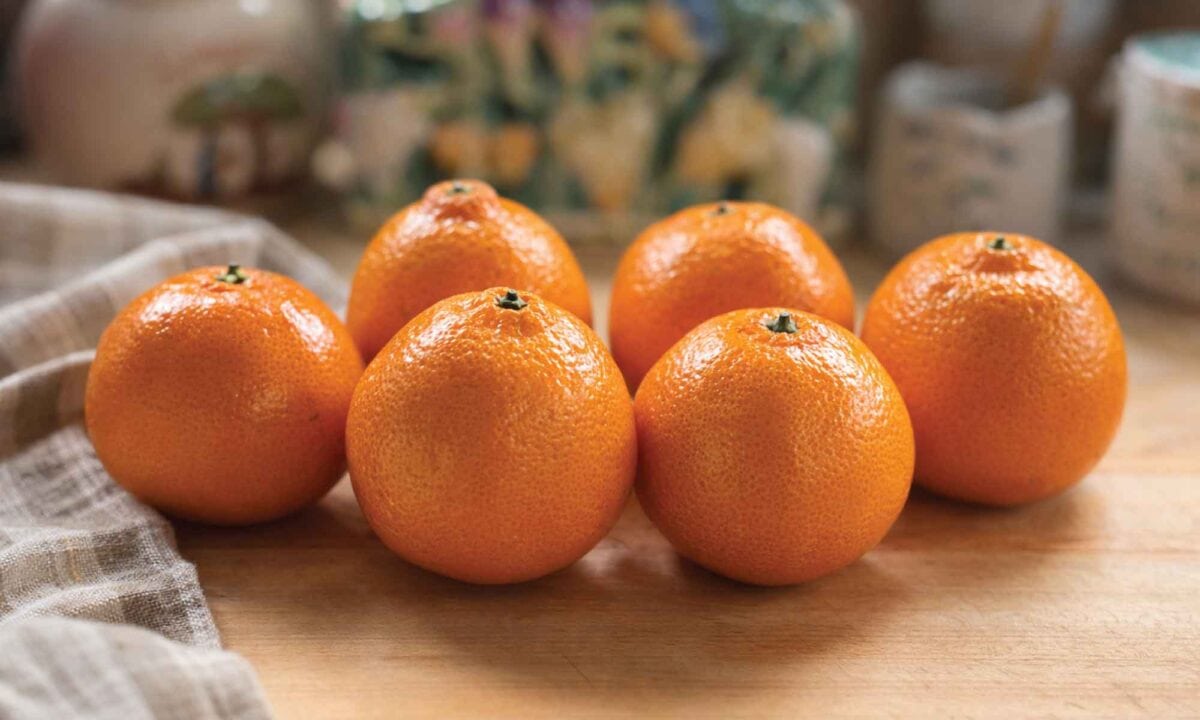
Tangerine Peels: More Than Just Scraps
In traditional households, citrus fruit was seasonal and precious. Nothing was wasted, especially not something as aromatic and useful as the peel.
Tangerine peels were valued because they contain:
- Natural aromatic oils
- Gentle bitter compounds that stimulate digestion
- Plant compounds that support overall wellness
Rather than being thrown away, peels were transformed—carefully and thoughtfully—depending on their intended use.
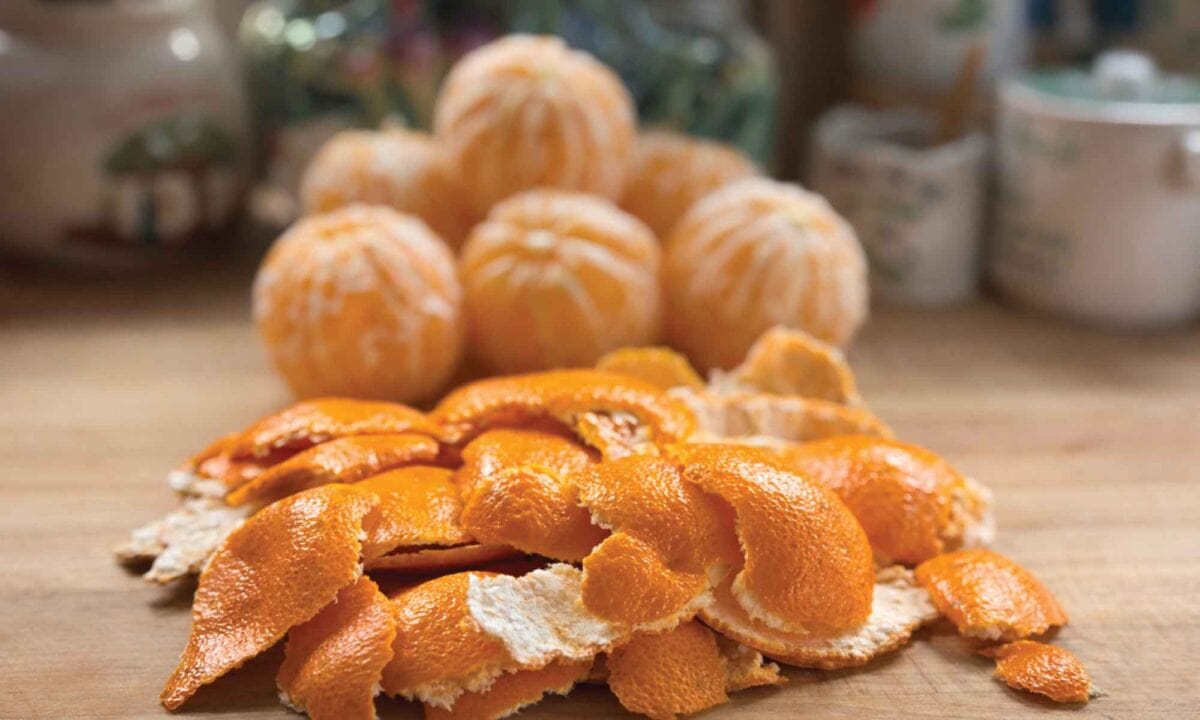
Tangerine Peel Tonic: When Bitterness Was a Benefit
One traditional preparation was a simple tangerine peel tonic, made as a tea by gently simmering fresh peels in water.
This recipe was not meant to be sweet or indulgent. It was considered a tonic tea to be served in a small teacup and often enjoyed:
- After heavy meals
- During times of fatigue
- In colder months
- When digestion felt sluggish
A touch of bitterness was intentional. Our ancestors understood something we sometimes forget today: A little bitterness can be helpful—especially for digestion.
This tonic wasn’t consumed by the quart. It was sipped thoughtfully, much like traditional bitters. (Learn How to Make Herbal Digestive Bitters.)
Disclaimer
Note: I am not a doctor or medical professional. This information is provided for informational purposes only and is not intended to treat or diagnose any type of illness. If you are not feeling well, please seek professional medical attention and medicine. And if you are thinking of supplementing your treatment with home remedies, be sure to talk to your medical professional about them. It’s important that you get the medicine and treatments you need to get back to good health.
Also, remember that honey should never be given to infants under the age of one. And if you decide to introduce honey into your toddler’s diet, be sure to check with your pediatrician first.
Honey-Candied Tangerine Peel: A Gentle Sweetmeat
When peels were meant to be eaten, not drunk, they were treated very differently. They were candied or what our ancestors would have called sweetmeats.
To create honey-candied tangerine peel, the peels were:
- Blanched in water (often more than once)
- Gently simmered in honey
- Preserved as a soft, fragrant sweetmeat
These were not modern candies. They were eaten sparingly—often just one or two pieces after a meal—to aid digestion and provide a touch of sweetness during seasons when fresh fruit was scarce.
Honey was used because it was:
- The primary sweetener before refined sugar
- Naturally preservative
- Gentle and nourishing

Why Was the Blanching Water Discarded?
This part of the process is where ancestral wisdom truly shines. Our ancestors intentionally discarded the blanching water because it pulled out the bitter compounds during the process of turning the peels into a sweet treat that was not only tasty but also aided digestion.
Now, when I say discarded, in many ways, this is the same way we think of a sourdough discard. We’re not really discarding anything. We’re just setting it aside for another purpose. In the case of the blanching water, it became the tangerine peel tonic tea we discussed above.
In addition to using the first blanching water as a tonic tea, the water from the subsequent blanchings was also put to good use, such as in the following manner:
- Used in baking instead of plain water
- Added to porridges or puddings
- Used for steam inhalation to thwart a cold
- Even used to lightly scent the home when left simmering on the wood stove
The Key Differences Between the Tonic and Candied Peels
The key difference between the tonic and candied peels is intention:
- The tonic was meant to be slightly bitter and functional
- The candied peel was meant to be nourishing and enjoyable
“Same peel.
Different purpose.
Different handling.”
Our ancestors didn’t follow rigid rules—they used common sense and lived in harmony with the seasons. And nothing ever went to waste!
A Lesson Worth Remembering
What I love most about these traditions is how balanced they were. Nothing extreme. Nothing wasted. Nothing was marketed as a cure-all…Just careful hands, thoughtful choices, and respect for food.
It’s a beautiful reminder that wisdom doesn’t always come from doing more—sometimes it comes from understanding why something was done in the first place.
If you’ve ever wondered whether old-world kitchen practices still matter today, this is your answer: yes, they do—when we understand them properly.
“Sometimes, the most nourishing thing we can do is slow down and learn from what our ancestors already knew: choosing simplicity, moderation, and thoughtful preparation over excess.”
What To Do With The Fruit?
Once you’ve put the peels to good use, you can eat the actual fruit or refrigerate it to enjoy later. You can even whirl it in a blender and freeze the blended fruit in ice cube trays. Later, you can use the frozen fruit cubes to add some Vitamin C to smoothies, flavor plain or sparkling water, or add them to cake batter for moisture and flavor.
How to Make a Tangerine Peel Tonic and Tangerine Sweetmeats
This recipe is a two-part process that first creates your tangerine peel tonic and then makes your honey-candied tangerine peels (sweetmeats).
Ingredients
Find the full printable recipe with ingredients below.

Tangerine Peel Tonic Ingredients
- Peels from 6 organic tangerines
- 1 quart filtered water
- Optional additions (use sparingly and only if desired):
- 1 small strip of fresh ginger, peeled
- 1 cinnamon stick
- A drizzle of raw honey (added after simmering)
Honey-Candied Tangerine Peels Ingredients
- Peels from 6 organic tangerines
- Water, for blanching
- 2 cups pourable honey
- 1/2 cup filtered water
- Optional:
- 1 small cinnamon stick
- 1–2 whole cloves
How to Make Tangerine Peel Tonic and Honey-Candied Tangerine Peels
Find the full printable recipe with measurements below.
This recipe is a two-part process that first creates your tangerine peel tonic and then makes your honey-candied tangerine peels.
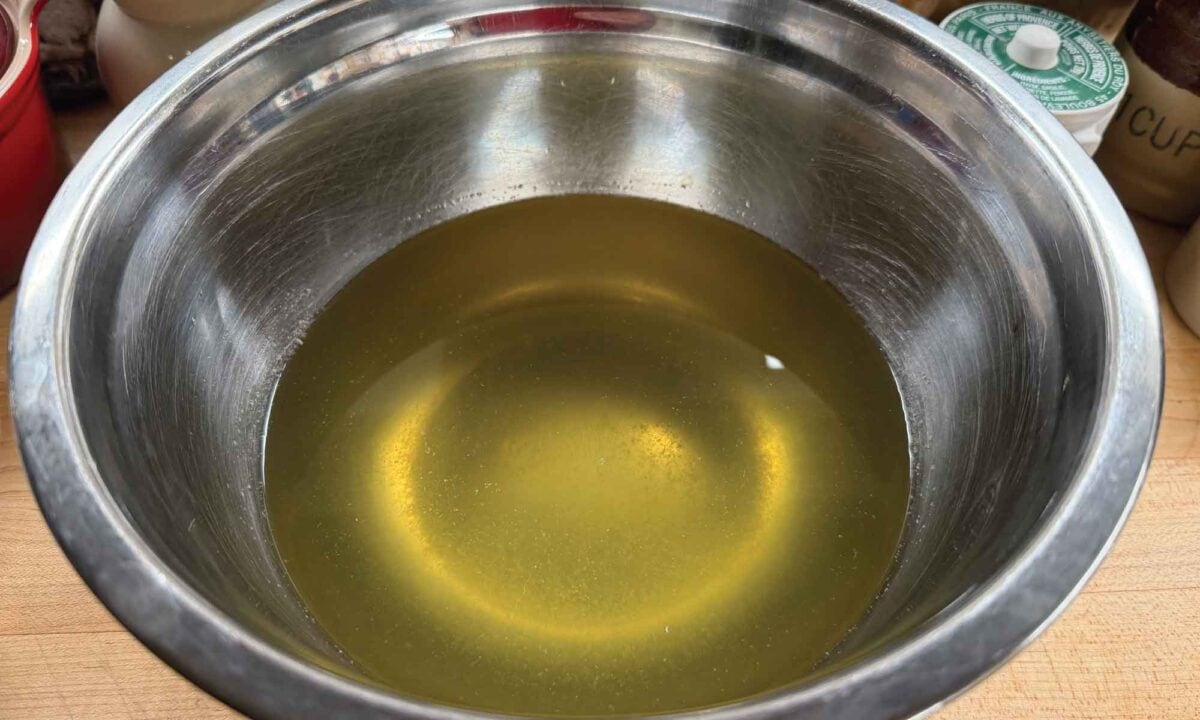
Tangerine Peel Tonic Steps
- Wash the organic tangerines very well under warm running water and pat them dry.
- Using a peeler or knife, remove the peels and cut them into thin strips. Some white pith is fine, but trim away any very thick sections.
- Place the peels in a medium saucepan and add the filtered water.
- Bring the water just to a gentle boil, then immediately reduce to the lowest heat setting to simmer.
- Simmer covered for 30 minutes. After 30 minutes, remove the lid. The liquid should be lightly amber in color and quite fragrant.
- Remove from heat and strain out the peels.
- Pour some of this tonic into a mug and sip warm, or allow it to cool and store it covered in the refrigerator for up to 24 hours. Rewarm gently on low heat.
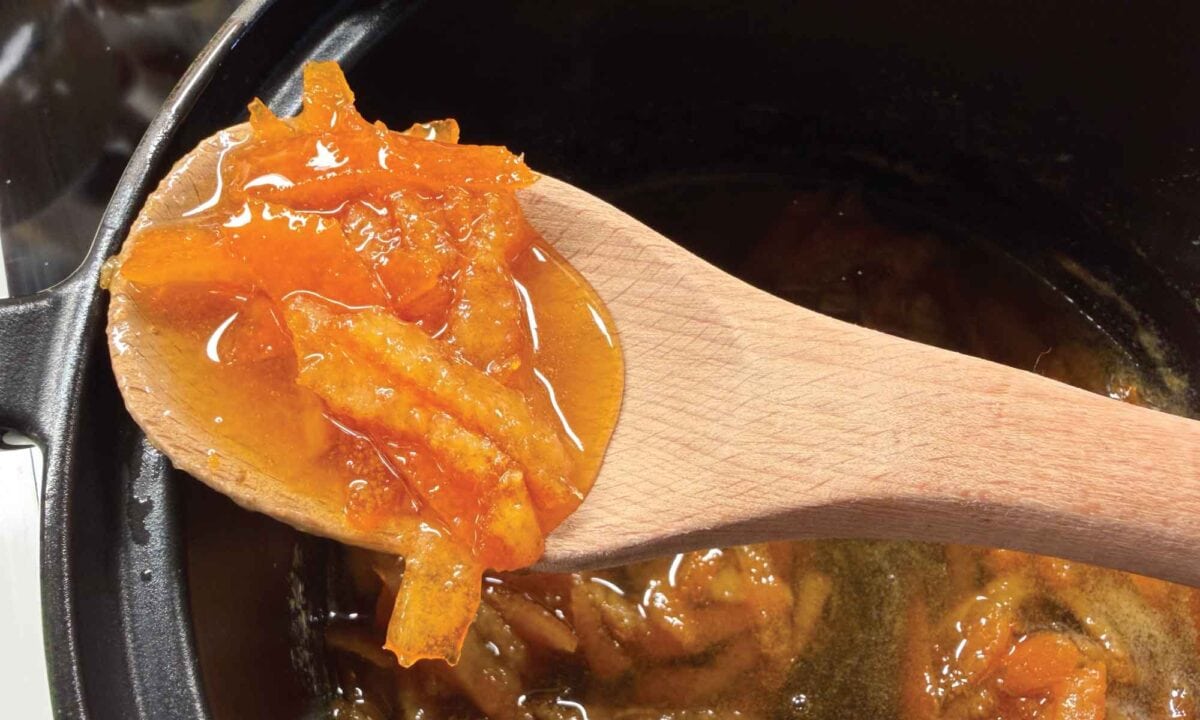
Honey-Candied Tangerine Peels Steps
- Wash the organic tangerines very well under warm running water and pat them dry.
- Using a peeler or knife, remove the peels and cut them into thin strips. Some white pith is fine, but trim away any very thick sections.
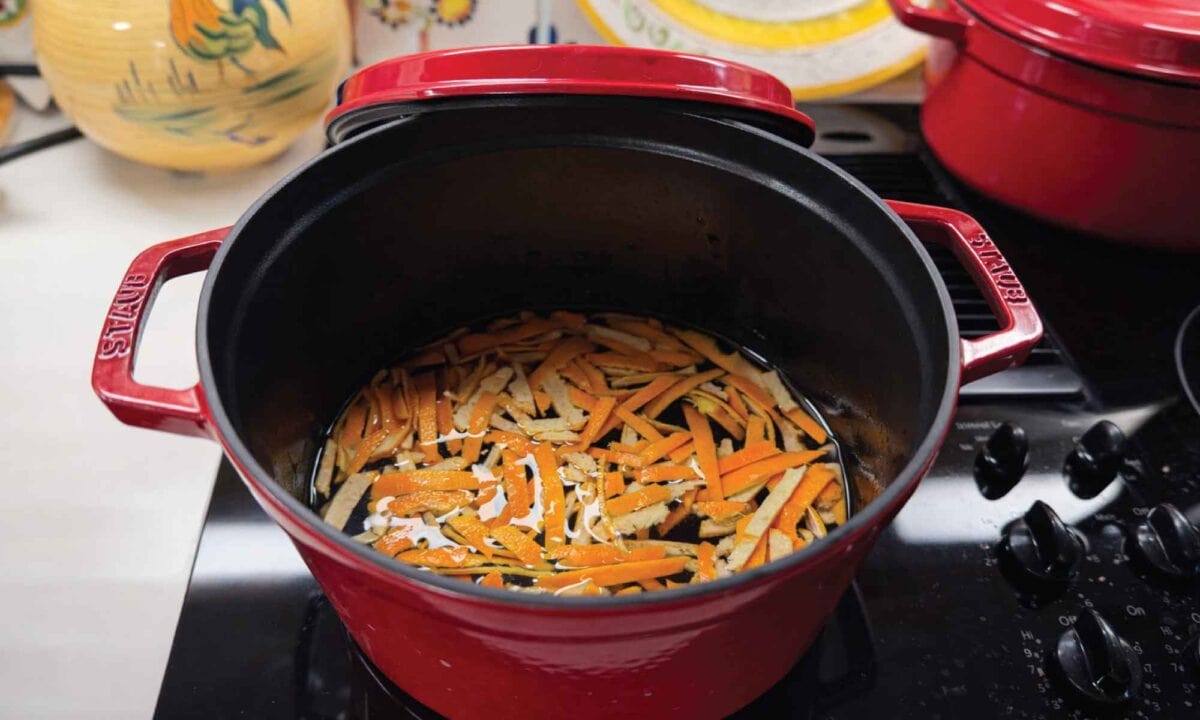
- Place the peels in a saucepan and cover with cold water. Bring to a boil, simmer for 30, minutes, covered, then drain the liquid into a bowl and set it aside. (This is the tonic as described in the first recipe.)
- Repeat this blanching process two times, but for only 5 minutes with each subsequent blanch, to gently remove excess bitterness. After each blanching, drain the liquid into a separate container from the one used to collect the first blanching. The liquid from these subsequent blanchings can be used as described earlier in this post.
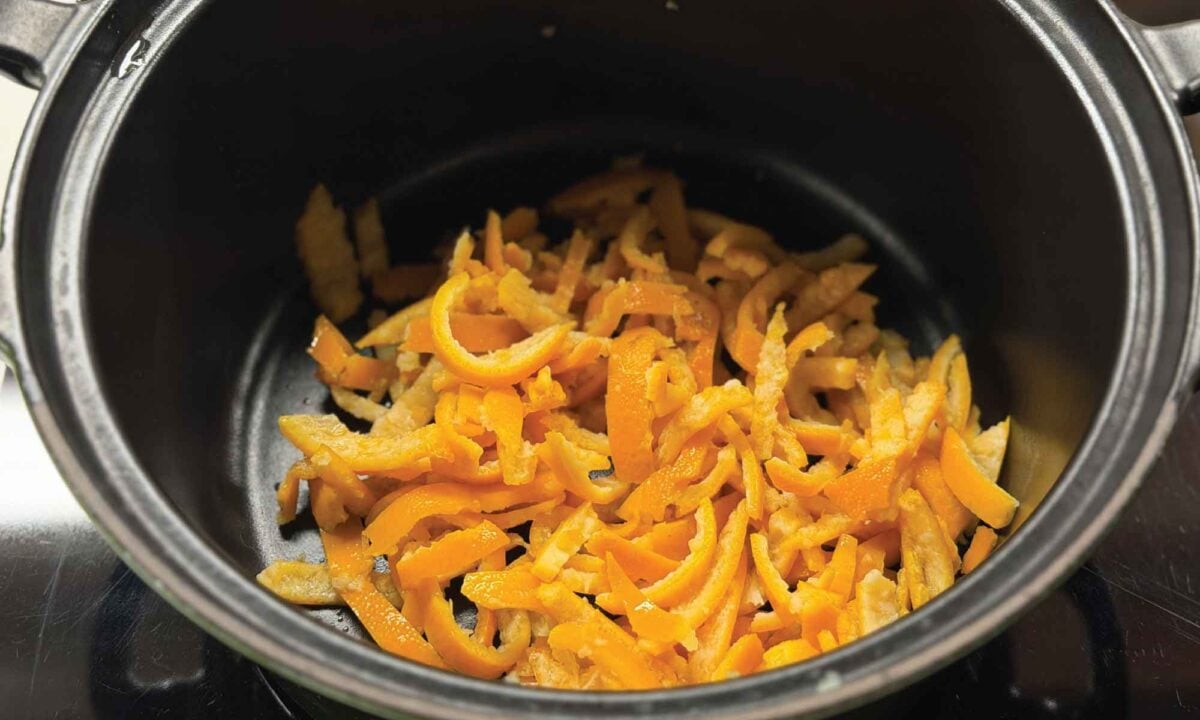
- After the final draining, transfer the peels to a small saucepan. Add the honey and 1/2 cup filtered water.
- Bring the mixture just up to a gentle simmer over the lowest heat setting. DO NOT BOIL.
- Simmer uncovered for 45–60 minutes, stirring occasionally, until the peels are soft, translucent, and well coated with honey.
- If using spices, add them during the last 15 minutes of simmering.
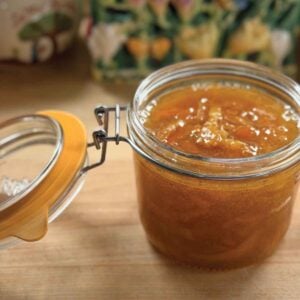
- Remove from heat and allow to cool slightly. Transfer peels and honey to a clean jar or crock.
- Once fully cooled, cover and store in the refrigerator for up to 3 months.
Recipe Tips
This recipe is a two-part process that first creates your tangerine peel tonic and then makes your honey-candied tangerine peels.
Entire Recipe Tips
- Always use organic tangerines, as citrus peels concentrate agricultural chemicals.
- Remember that honey should never be given to infants under the age of one. And if you decide to introduce honey into your toddler’s diet, be sure to check with your pediatrician first.
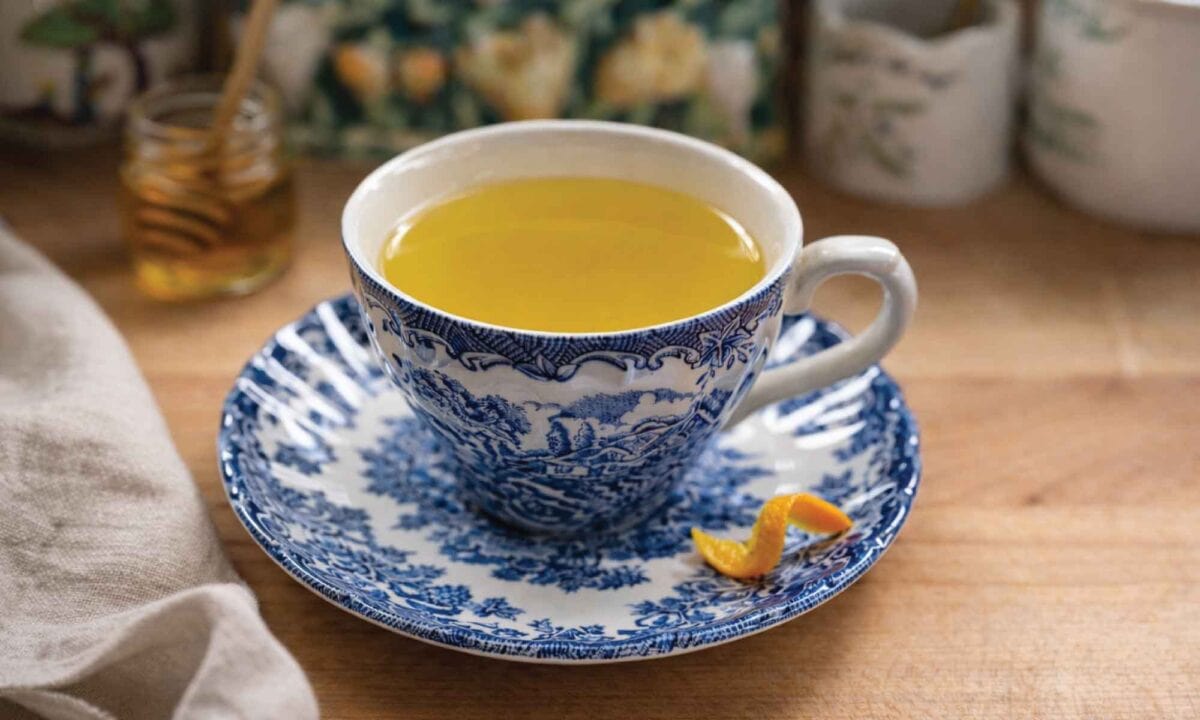
Tangerine Peel Tonic Recipe Tips
- This tonic is best enjoyed warm, especially during colder months or when recovering from illness.
- One small mug (½–1 cup) once or twice daily is plenty. This tonic is meant to support, not overwhelm.
- Tangerine peel has a naturally uplifting aroma that many people find comforting for digestion and mild congestion.
- Think of this as a nourishing kitchen tea rather than a medicinal remedy—simple and kind to the body.
Honey-Candied Tangerine Peels Recipe Tips
- These peels are meant to be eaten in very small amounts—one or two strips after a meal is plenty.
- Traditionally, these peels were used as a digestive sweet, a winter treat, or chopped finely and added to cakes or breads.
- The honey becomes beautifully infused with the tangerine peel flavor and can be drizzled into tea or spooned over yogurt or toast.
- This recipe creates a softly preserved sweetmeat, not a firm modern candy—fragrant and very old-fashioned.
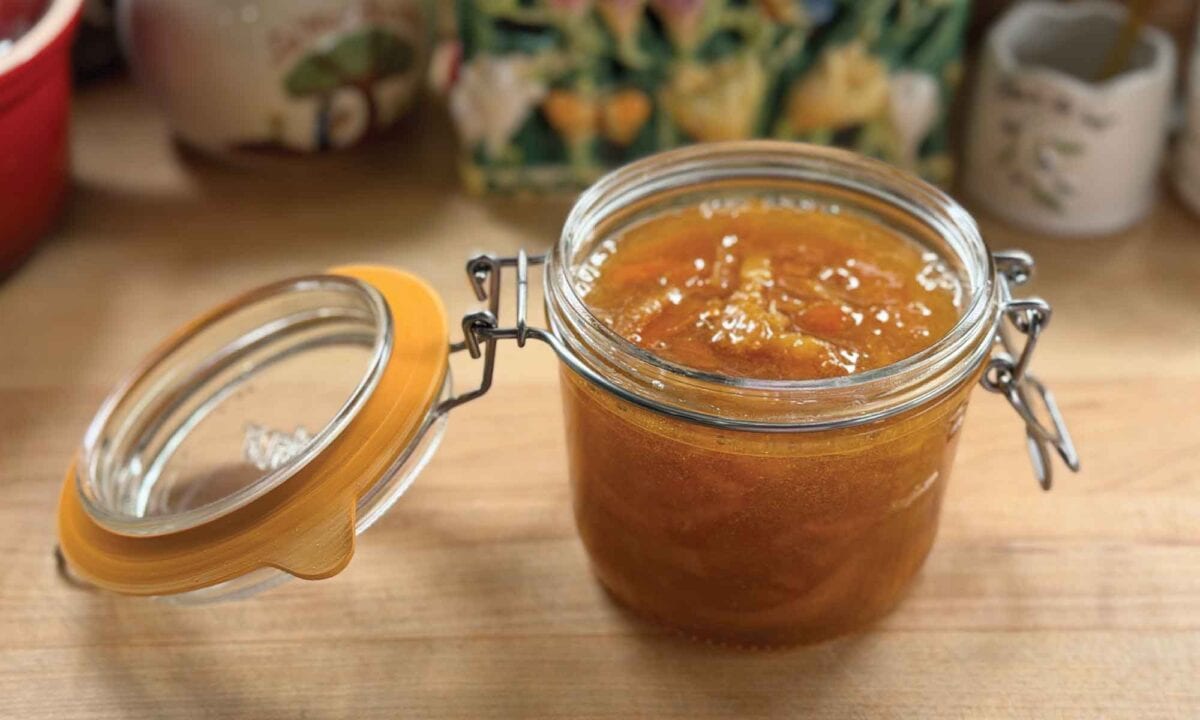
Storing and Reheating
This recipe is a two-part process that first creates your tangerine peel tonic and then makes your honey-candied tangerine peels.
Tangerine Peel Tonic Storing and Reheating
- After preparing the tonic, allow it to cool. You can store it in a covered container in your refrigerator for up to 24 hours. When ready to enjoy, rewarm the tonic gently on low heat.
Honey-Candied Tangerine Peels Storing
- Once your honey-candied tangerine peels have cooled, you can store them in your refrigerator for up to 3 months.
More Old-World Kitchen Tonics
If you enjoyed this recipe on tangerine peels and traditional tonics, you’ll also love my previous videos where I explore other time-honored digestive preparations—each rooted in history and made with simple, real ingredients.
These recipes are not modern fads, but gentle supports that were once common in traditional kitchens:
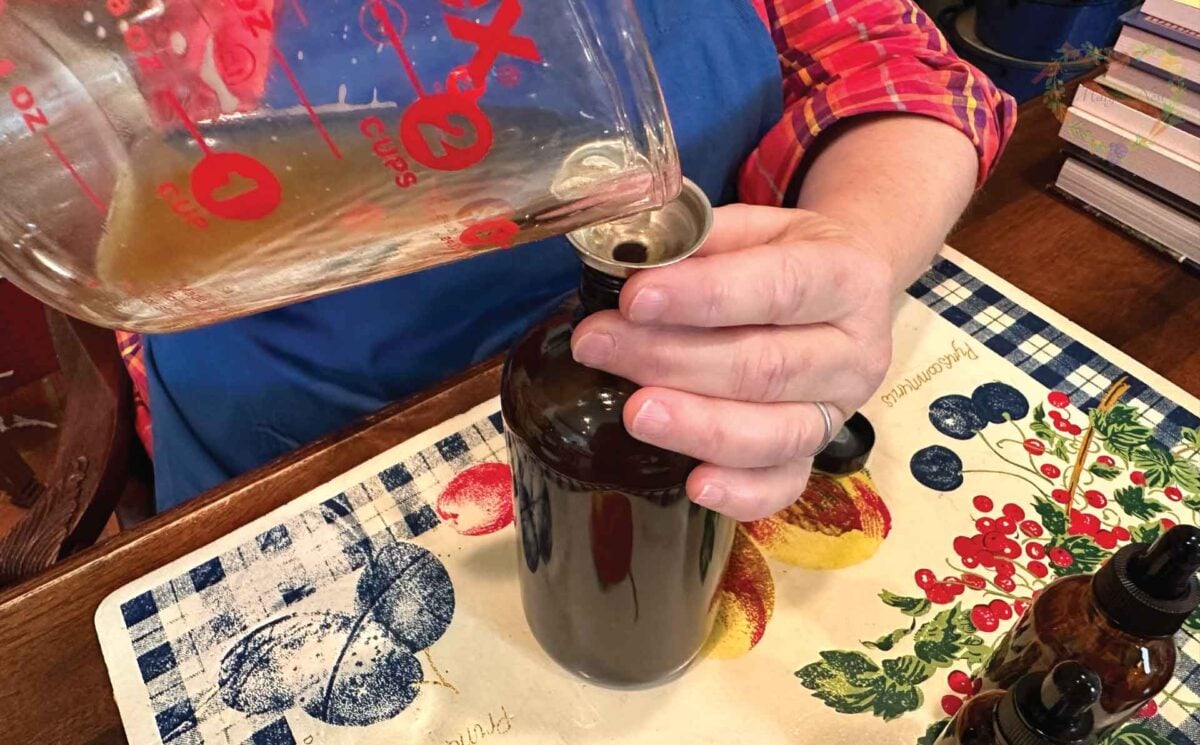
- Herbal Digestive Bitters (Traditional & Strong): A classic old-world bitter made for those who tolerate stronger flavors and want robust digestive support.
- Strawberry Digestive Bitters (Milder and More Gentle): A softer, more approachable bitter for those who are sensitive, prefer a gentler taste, or are just beginning to explore bitters.
- A Sixteenth-Century Herbal Elixir: A fascinating look at a historic herbal elixir once used to support digestion and overall well-being—made with reverence for the past and practicality for today’s kitchen.
Each of these recipes reflects the same principle we’ve discussed: “Simple preparations, used thoughtfully, and never in excess.”
Farmhouse Teas (and Herbs!)
If you are looking for an excellent source for dry herbs, look no further than Farmhouse Teas. And even better, they are offering my sweet friends a 10% discount off their wide selection of herbal tea blends and individual dry herbs.

You can also use my discount code and links below to get the ingredients to make the following natural remedies that I’ve shown you how to make in earlier recipe videos.
- Anti-Inflammatory Drinks
- This Blog Post and Video
- Get the ingredients from Farmhouse Teas
- Herbal Acne Salve
- Star Anise Tincture
- Herbal Elixir
Backwoods Home and Self-Reliance
The Backwoods Home and Self Reliance printed magazines are two of our favorite publications, especially since they deal with topics of interest to traditional foods cooks and modern pioneers.

- Special Offer: The publisher of Backwoods Home and Self Reliance is offering my sweet friends 50% off subscriptions to their printed magazines. This is not a sponsored post. I love these publications, and I’m grateful you can get them at a discount.

Order YOUR COPY Now!
The Modern Pioneer Cookbook
Seasonal ingredients, traditional techniques, and nourishing recipes. Over 85 traditional, from-scratch recipes! Discover for yourself how you can use simple ingredients and traditional techniques to cook the modern pioneer way.

Order YOUR COPY Now!
The Modern Pioneer Pantry
Simple ingredients, timeless techniques, and a well-stocked pantry. Discover over 100 nourishing recipes to preserve food and turn pantry staples into homemade meals. Build a wholesome, traditional pantry—just like a modern pioneer!
Start Your Traditional Foods Journey
Sharing my passion for traditional cooking goes beyond my YouTube cooking school—it also comes to life in the pages of my cookbooks. Both of my books, The Modern Pioneer Cookbook and The Modern Pioneer Pantry, are proudly published by Penguin Random House.
The first is filled with time-honored recipes to help you create a traditional foods kitchen, while the second is your complete guide to home food preservation. Order both books today to start or continue your traditional foods journey.
Download Your Free 36-Page Pantry List
For an extensive list of the traditional foods you can make and purchase to stock your pantry, be sure to download my free 36-page Traditional Foods Pantry List. This comprehensive eBook is full of links to recipe videos, helpful articles, and more!

Join the Traditional Foods Kitchen Academy
Are you looking for more traditional foods videos? If so, I invite you to join the Traditional Foods Kitchen Academy. Members of this optional paid YouTube community get access to exclusive videos and other members-only perks. Plus, your YouTube comments include a special members-only badge.
Kitchen Academy Videos

How to Mix Whole Grains for a Warm and Nourishing Porridge
Learn to mix oat groats, barley, and other whole grains for a warm, nourishing porridge with easy make-ahead tips and tasty toppings.

How Much of Each Natural Remedy Should You Make?
Use your family’s needs, past experience, and seasonal habits to decide how much to prepare for your Healing Pantry.

Baking Questions Answered with Ted and Mary!
Join me and my husband Ted for a Q&A filled with practical kitchen tips, helpful techniques, and answers to your baking questions.
Stay in Touch with Mary’s Nest
- Subscribe to My YouTube Channel for Traditional Foods Videos (Free) - When you subscribe, be sure to click on the notification bell that will let you know each time I upload a new video.
- Subscribe to Mary’s Traditional Foods Newsletter (Free) - Get a free 36-page eBook for signing up: How to Stock Your Essential Traditional Foods Four-Corners Pantry.
- Join the Traditional Foods Kitchen Academy - For more detailed videos and exclusive members-only perks, join my YouTube membership community.
- Order The Modern Pioneer Cookbook - Get a hardcover book of Mary's nourishing recipes from a Traditional Foods Kitchen. This bestselling cookbook is published by Penguin Random House with their DK imprint.
- Order The Modern Pioneer Pantry - Get Mary's latest hardcover cookbook about preserving food and making delicious meals from your Four Corners Pantry. Mary's second cookbook is also published by Penguin Random House.
I look forward to having you join me in my Texas Hill Country Kitchen!
I’d like to receive more tips and recipes from Mary’s Nest.
How to Make Tangerine Peel Tonic and Tangerine Sweetmeats
Equipment
- 1 Vegetable peeler or small knife
- 1 medium saucepan
- 1 Small saucepan
- 1 Heatproof mug or jar
- 1 Small glass jar or crock with lid
Ingredients
- 6 organic tangerines, peeled Using the peels of the tangerines
- 1 quart filtered water
- 1 quart Small strip of fresh ginger, peeled Optional
- 2 cinnamon sticks, divided Optional
- 1 Drizzle of raw honey Optional
- 2 cups Pourable Honey For the Honey-Candied Tangerine Peels
- 1/2 cup Filtered water For the Honey-Candied Tangerine Peels
- 2 Whole cloves Optional for the Honey-Candied Tangerine Peels
Instructions
- Wash the organic tangerines very well under warm running water and pat them dry.
- Using a peeler or knife, remove the peels and cut them into thin strips. Some white pith is fine, but trim away any very thick sections.
- Place the peels in a medium saucepan and add the quart of filtered water.
- Bring the water just to a gentle boil, then immediately reduce to the lowest heat setting to simmer.
- Simmer covered for 30 minutes to blanch the peels. After 30 minutes, remove the lid. The liquid should be lightly amber in color and quite fragrant.
- Remove from heat and strain out the peels. This strained liquid is your tangerine peel tonic.
- Pour some of this tonic into a mug and sip warm, or allow it to cool and store it covered in the refrigerator for up to 24 hours. Rewarm gently on low heat.
- To continue with the second part of the recipe to make the honey-candied tangerine peels, repeat the blanching process two additional times, but for only 5 minutes with each subsequent blanch, to gently remove excess bitterness. After each blanching, drain the liquid into a separate container from the one used to collect the first blanching. You can use the liquid from these subsequent blanchings as described in the recipe post.
- After the final draining, transfer the peels to a small saucepan. Add the honey and 1/2 cup filtered water.
- Bring the mixture just up to a gentle simmer over the lowest heat setting. DO NOT BOIL.
- Simmer uncovered for 45–60 minutes, stirring occasionally, until the peels are soft, translucent, and well coated with honey.
- If using spices, add them during the last 15 minutes of simmering.
- Remove from heat and allow to cool slightly. Transfer the peels and honey to a clean jar or crock. You've created your honey-candied tangerine peels (Old-World Sweetmeats).
- Once fully cooled, cover and store in the refrigerator for up to 3 months.
Notes
* This tonic is best enjoyed warm, especially during colder months or when recovering from illness.
* One small mug (½–1 cup) once or twice daily is plenty. This tonic is meant to support, not overwhelm.
* Tangerine peel has a naturally uplifting aroma that many people find comforting for digestion and mild congestion.
* Think of this as a nourishing kitchen tea rather than a medicinal remedy—simple and kind to the body. For your honey-candied tangerine peels: * Always use organic tangerines, as citrus peels concentrate agricultural chemicals.
* These peels are meant to be eaten in very small amounts—one or two strips after a meal is plenty.
* Traditionally, these peels were used as a digestive sweet, a winter treat, or chopped finely and added to cakes or breads.
* The honey becomes beautifully infused with the tangerine peel flavor and can be drizzled into tea or spooned over yogurt or toast.
* This recipe creates a softly preserved sweetmeat, not a firm modern candy—fragrant and very old-fashioned. Disclaimer: I am not a doctor or medical professional. If you are not feeling well, please seek professional medical attention and medicine. And if you are thinking of supplementing your treatment with home remedies, be sure to talk to your medical professional about them. It’s important that you get the medicine and treatments you need to get back to good health. Also, remember that honey should never be given to infants under the age of one. And if you decide to introduce honey into your toddler’s diet, be sure to check with your pediatrician first. Find this recipe at https://marysnest.com/how-to-make-tangerine-peel-tonic-and-tangerine-sweetmeats/ If you’re building a traditional foods kitchen or stocking a real foods pantry, be sure to get all the books in Mary’s Modern Pioneer cookbook series, published by Penguin Random House: https://marysnest.com/modern-pioneer-cookbook-series/ Copyright © 2026 Mary’s Nest, LLC, All Rights Reserved
Shop for My Favorite Items
Favorite Kitchen Supplies
- Favorite Aprons
- Spice Grinder
- Countertop Burner (On my kitchen island in many recipe videos.)
- Handheld Vacuum Sealing System
- Vacuum Lids
- Whisk
- Silica Gel Packets (Helps keep moisture from building up in your mix)
- Cast Iron Dutch Oven
- 8-Quart Slow-Cooker
- Fat Separator (Clever kitchen device to help you decant bone broth)
- Flour Sack Towels
- pH Strips (Helps you check on the acidity of your vinegar)
Amazon Shop and Shopping Guide
- Visit Mary’s Nest Amazon Shop
- Get a 30-day Audible trial with a free audiobook
- Visit my Shopping Guide page
Get up to 15% off for stocking your Traditional Foods Pantry and equipping your Modern Pioneer Kitchen, including discounts from US Wellness Meats, Farmhouse Teas, Backwoods Home, Masontops, Cultures for Health, Survival Garden Seeds, Redmond Real Salt, and More!
Recommended Reading
Disclaimer:I am not a medical doctor, a medical professional, a dietician, or a nutritionist. All content found on the MarysNest.com website, including text, images, videos, eBooks or eGuides, social media, or other formats, were created solely for informational purposes only. The content is not intended to be a substitute for professional medical advice, diagnosis, or treatment. Always seek the advice of your physician or other qualified healthcare provider with any questions you may have regarding a medical condition or proper nutritional advice. Never disregard professional medical advice or delay in seeking it because of something you have watched in a video or read on this website. Use caution when following the recipe in this video. The creator and publisher of this video and website will not be held responsible for any adverse effects that may arise from the use of this recipe and method or any other recipe and method on this website or corresponding video channel.

So simple yet so powerful! Thank you. “Let food be thy medicine, and medicine be thy food”