There is something so comforting about baking with whole grains in the kitchen to create hearty homemade loaves. More and more sweet friends are discovering the joy of milling fresh flour at home and experimenting with ancient grains, heritage wheats, and traditional baking methods that nourish both body and soul.
Be sure to watch the member video below, and then read on for even more inspiration and practical tips for baking with whole grains.
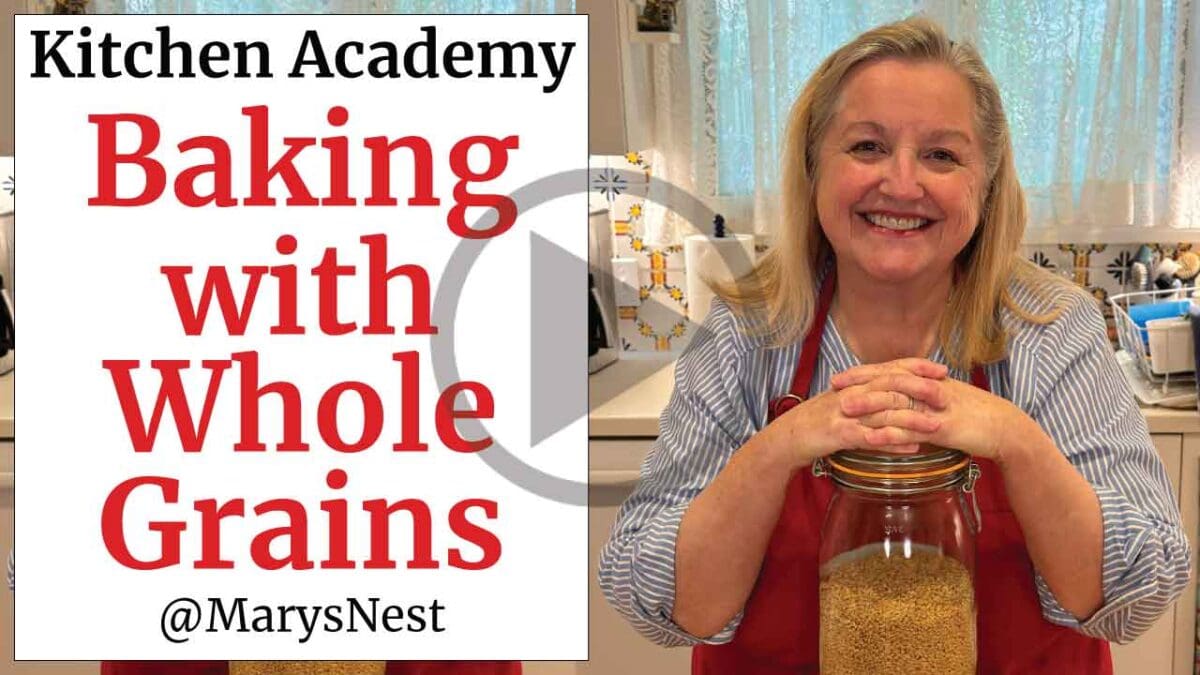
These conversational vodcasts are available to the Kitchen Pioneers who have joined my YouTube membership community—The Traditional Foods Kitchen Academy.
Affiliates note: As an Amazon Associate I earn from qualifying purchases. My content may contain affiliate links to products and services. If you click through and make a purchase, I’ll receive a small commission. It does not affect the price you pay.
Table of Contents
- A Quick Glance
- Revisiting The Maslin Method
- Learning from The Bread Revolution
- Why You Should Order a Grain Mill Now
- Purchasing Whole Grains from Grand Teton Ancient Grains
- America’s Bread Basket
- What Are Heritage Wheats?
- What Are Landrace Wheats?
- A Return to Traditional Baking
- The Modern Pioneer Cookbook
- The Modern Pioneer Pantry
- Traditional Foods Kitchen Academy
- Join the Traditional Foods Kitchen Academy
- Kitchen Academy Videos
- Shop for items used in this blog post or video
A Quick Glance
- A quick review of The Maslin Method and why it works so beautifully for modern home bakers
- Thoughts on Peter Reinhart’s The Bread Revolution
- Why now is the time to order a grain mill—especially a Mockmill
- Where to buy high-quality whole grains, including Grand Teton Ancient Grains
- A look at America’s “Bread Basket” and the regions where wheat thrives
- The difference between Heritage Wheats and Landrace Wheats
- Encouragement for finding local farms growing traditional grains
Revisiting The Maslin Method
One of the most satisfying effects of The Maslin Method is that it invites us to become thoughtful, intuitive bakers rather than simply recipe followers. Historically, “maslin” referred to grains grown and milled together—often wheat blended naturally with rye or other grains in the same field. Over time, home bakers adapted this practical approach into blending different flours to create nourishing, flavorful breads suited to their family’s needs and the grains they had available.
Today, The Maslin Method allows us to blend ancient grains, heritage wheats, and modern whole grains in ways that make baking more approachable and more forgiving. It helps us move away from the idea that bread must be “perfect” and instead encourages us to create loaves with character, nutrition, and deep flavor.
This method also teaches us to truly understand grains. Einkorn behaves differently than spelt. Rye behaves differently than barley. Hard red wheat behaves differently than hard white wheat. And once we begin working with them regularly, especially the ancient grains, we start to recognize their personalities, and they become our old friends in the kitchen! 😉
Learning from The Bread Revolution
In the member video, I also discuss Peter Reinhart’s excellent book The Bread Revolution. It is one of those books that encourages home bakers to rethink whole-grain baking and to understand that whole-grain breads can be flavorful, tender, and deeply satisfying.
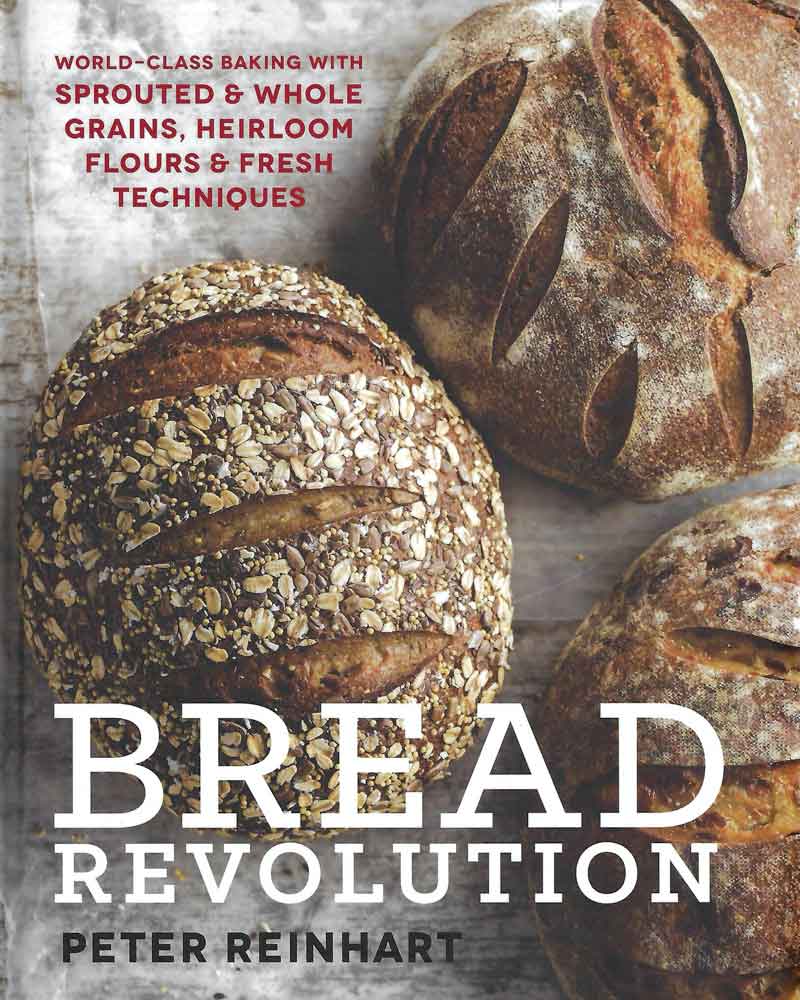
I especially appreciate how Reinhart encourages bakers to embrace traditional techniques while also making them practical for modern kitchens. His work has inspired many home bakers to experiment with fresh-milled flour and longer fermentation times, which improve both flavor and texture. But keep in mind that you don’t need to do everything that Reinhardt recommends. Don’t get overwhelmed! Try one tip here and there and experiment over time.
Books like these help remind us that whole-grain baking is not “old-fashioned” in a negative sense. Rather, it is timeless wisdom that generations before us relied upon every day.
Why You Should Order a Grain Mill Now
I also talk about purchasing an electric grain mill to create fresh flour, and how my Mockmill grain mill has been my faithful companion in the kitchen for many years.
If you have been considering buying one, don’t wait too long! Even when the Mockmill website lists certain mills as “out of stock,” it’ll be in your best interest to place your order, rather than wait until their website lists the grain mills as “in stock.”
As Mockmill manufactures new grain mills, they immediately ship them to customers who are already waiting in line. In many cases, the mills never actually appear as “in stock” because they are spoken for once Mockmill manufactures them in their factory.
So if you hope to begin working with fresh-milled flour this year, be sure to place your order now rather than wait for inventory to become available.
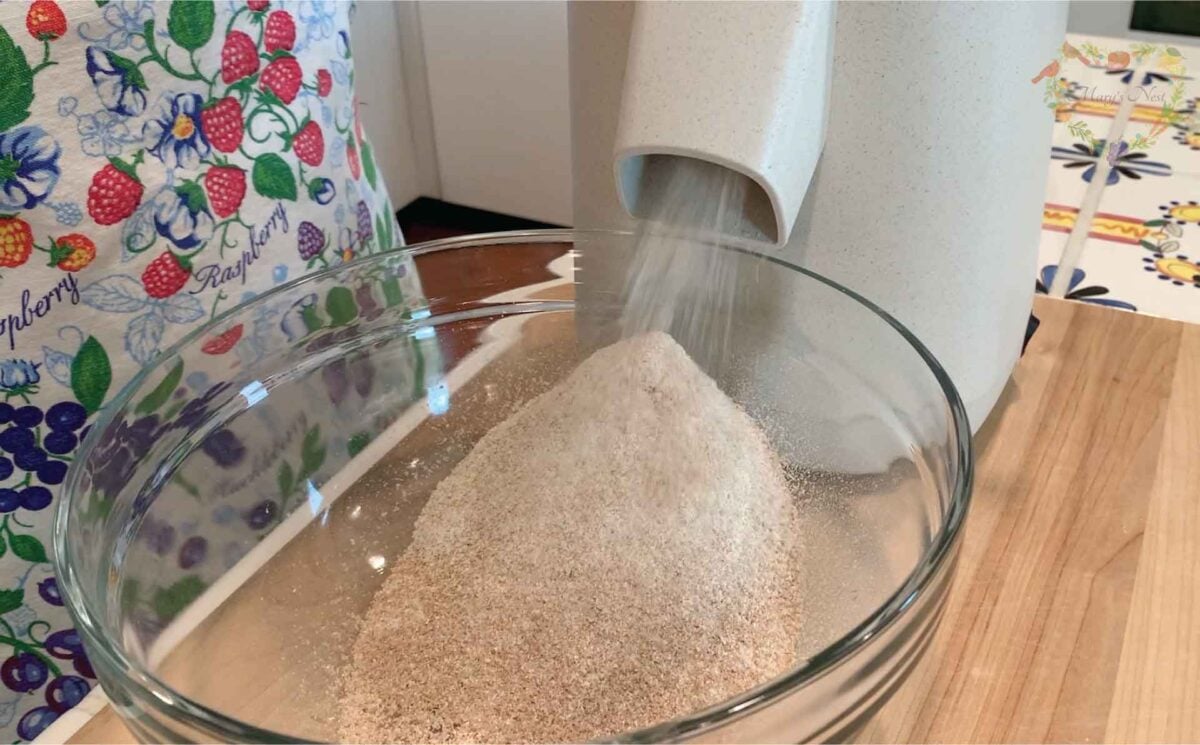
Learn more about Mockmill electric grain mills for making fresh flour and their Flake Lover’s Flaker that flakes whole grain in minutes. (This is not a sponsored post. I bought the Mockmill products that I show you, and I’m a happy user of their devices in my kitchen.)
- Get the Mockmill 100 Stone Grain Mill (Same product I show you in my unboxing video.)
- Mockmill 100 Grain Mill unboxing
- Flake Lover’s Flaker from Mockmill in action (Using this device, you can flake whole grain in minutes.)
Cook’s Note: Fresh-milled flour truly transforms baking. The aroma alone when milling grain is enough to make a kitchen feel warm and alive. And nutritionally, freshly milled flour offers something very special that connects us more closely to traditional baking methods used for generations.
Purchasing Whole Grains from Grand Teton Ancient Grains
Another topic I discuss in the video is purchasing whole grains from Grand Teton Ancient Grains. They are a terrific family company offering organic grains grown with great care and integrity.
I especially appreciate supporting family farms that are helping preserve ancient grains for future generations. These grains are not simply ingredients—they are part of our agricultural history.
I also had the pleasure of interviewing the owner of Grand Teton Ancient Grains. You can watch a replay of our video chat in my Bring Ancient Grains Back to the Table with Grand Teton Ancient Grains.
Hearing directly from the people growing these grains gives us a greater appreciation for the work involved and the dedication required to bring quality grain from field to table.
Grand Teton Ancient Grains: Exclusive Newsletter Discount Code
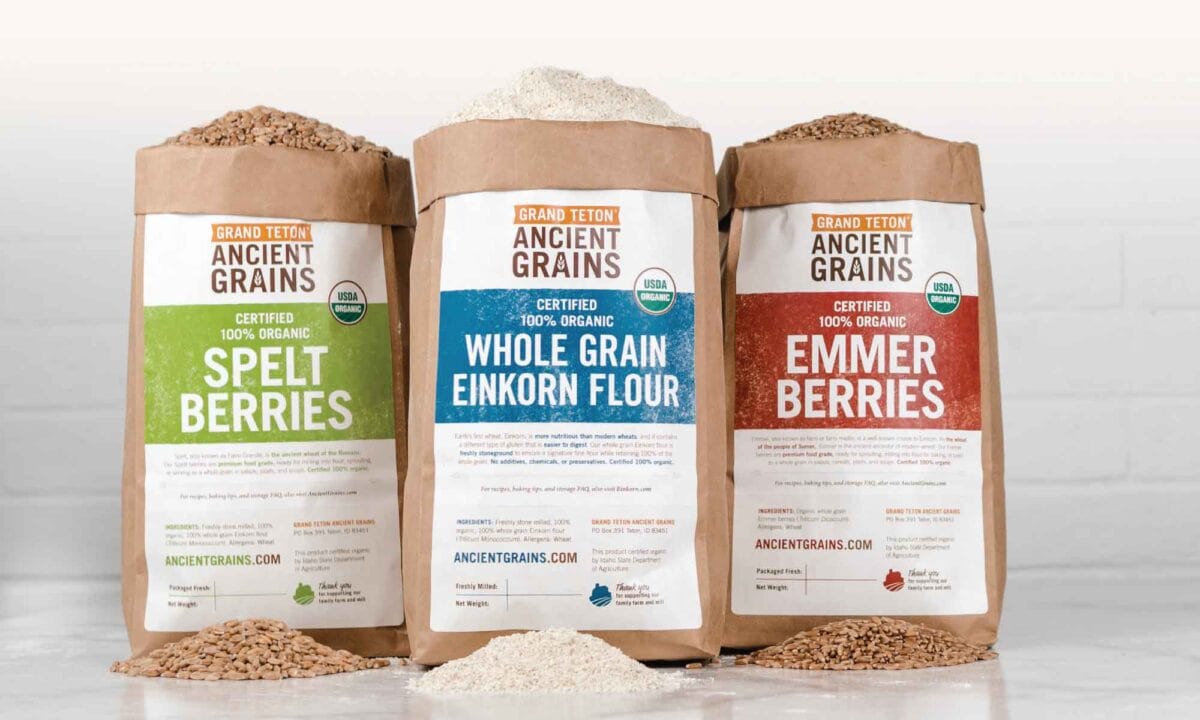
Sign up for my Mary’s Nest newsletter for an exclusive discount code you can use on your order of berries and flours from Grand Teton Ancient Grains. This discount is available for a limited time, so be sure to stock up on the Ancient Grains you would enjoy using to bake delightful breads, desserts, and more.
America’s Bread Basket
In the United States, we refer to a certain region of our country as “The Bread Basket.” Grain grows especially well in this area due to the climate, soil, and generations of farming tradition.
States throughout the Great Plains and Midwest—including Kansas, Nebraska, Montana, North Dakota, South Dakota, Oklahoma, and parts of Texas—have long been known for wheat production. These regions help feed not only our country but also much of the world.
And something very exciting is happening today: many small family farms within these grain-growing regions are beginning to revive older wheat varieties that were nearly forgotten.
If you live in or near one of these areas, you may be able to find local farms growing Heritage Wheats or even Landrace Wheats.
What Are Heritage Wheats?
Heritage Wheats are older wheat varieties that were commonly grown before the heavy hybridization efforts of the mid-20th century. These wheats were often selected for flavor, adaptability, and nutrition rather than solely for industrial efficiency.
Examples include:
Many home bakers find heritage wheats exceptionally flavorful compared to highly modernized wheat varieties. They also connect us to the baking traditions of earlier generations who baked daily with grains adapted to their local climates and conditions.
What Are Landrace Wheats?
Landrace wheats are even older than heritage wheats. These fascinating wheats are genetically diverse populations of grain that adapted naturally over time to the environments in which they were grown.
Unlike highly standardized commercial wheat varieties, landrace wheats exhibit natural variation. This diversity often makes them more resilient and uniquely suited to local growing conditions.
In many ways, landrace wheats represent agriculture as it existed before industrial standardization. They are living pieces of history. And for home bakers, they can produce beautifully flavorful flours with remarkable character.
However, keep in mind that unless you can locate a family farm growing a landrace wheat, these varieties can be hard to find. However, the search might introduce you to a wonderful farm in your area.
A Return to Traditional Baking
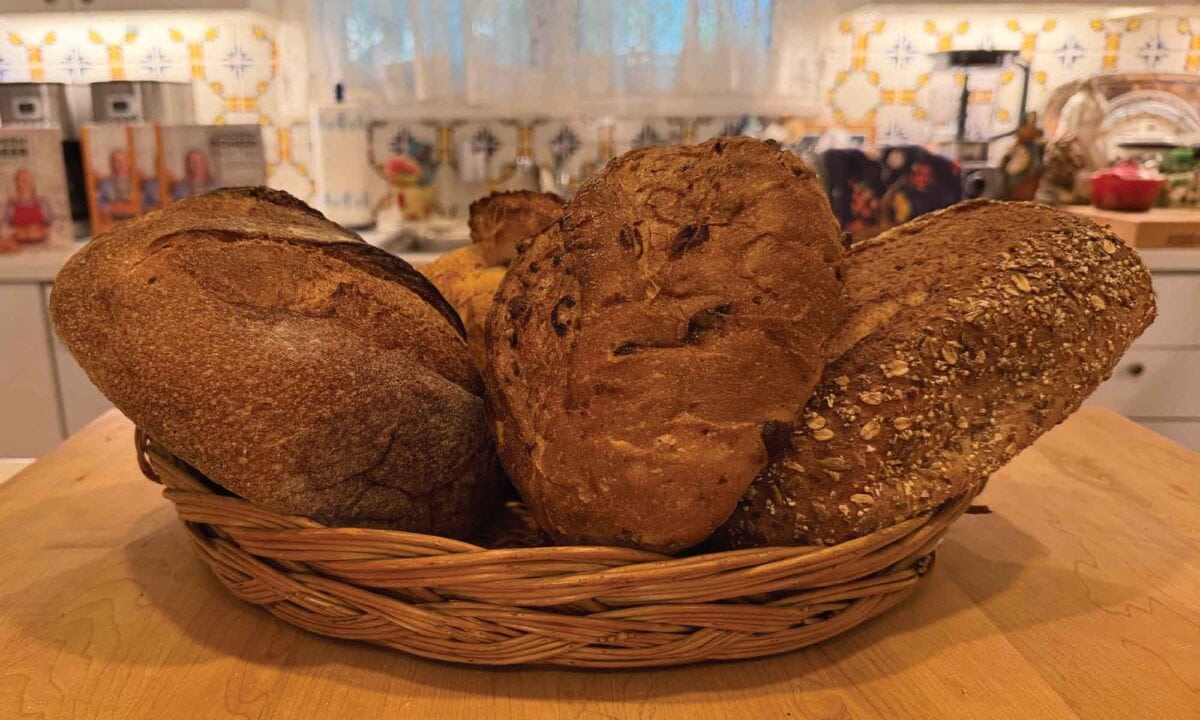
One of the most encouraging actions I see happening today is that more families are returning to traditional kitchen skills. People are learning to mill flour, bake bread, grow herbs, preserve food, and reconnect with the rhythms of home cooking once again. (To learn more about home preservation, be sure to get my second bestselling cookbook, The Modern Pioneer Pantry.)
If you’re transforming your processed foods kitchen into a traditional foods kitchen, you don’t have to make the change all at once. Even small steps—ordering a grain mill, trying fresh-milled flour, or baking a simple maslin loaf—help you along your traditional foods journey.
And truly, there is something deeply comforting about knowing exactly what is in the bread we place on our tables!
Order YOUR COPY Now!
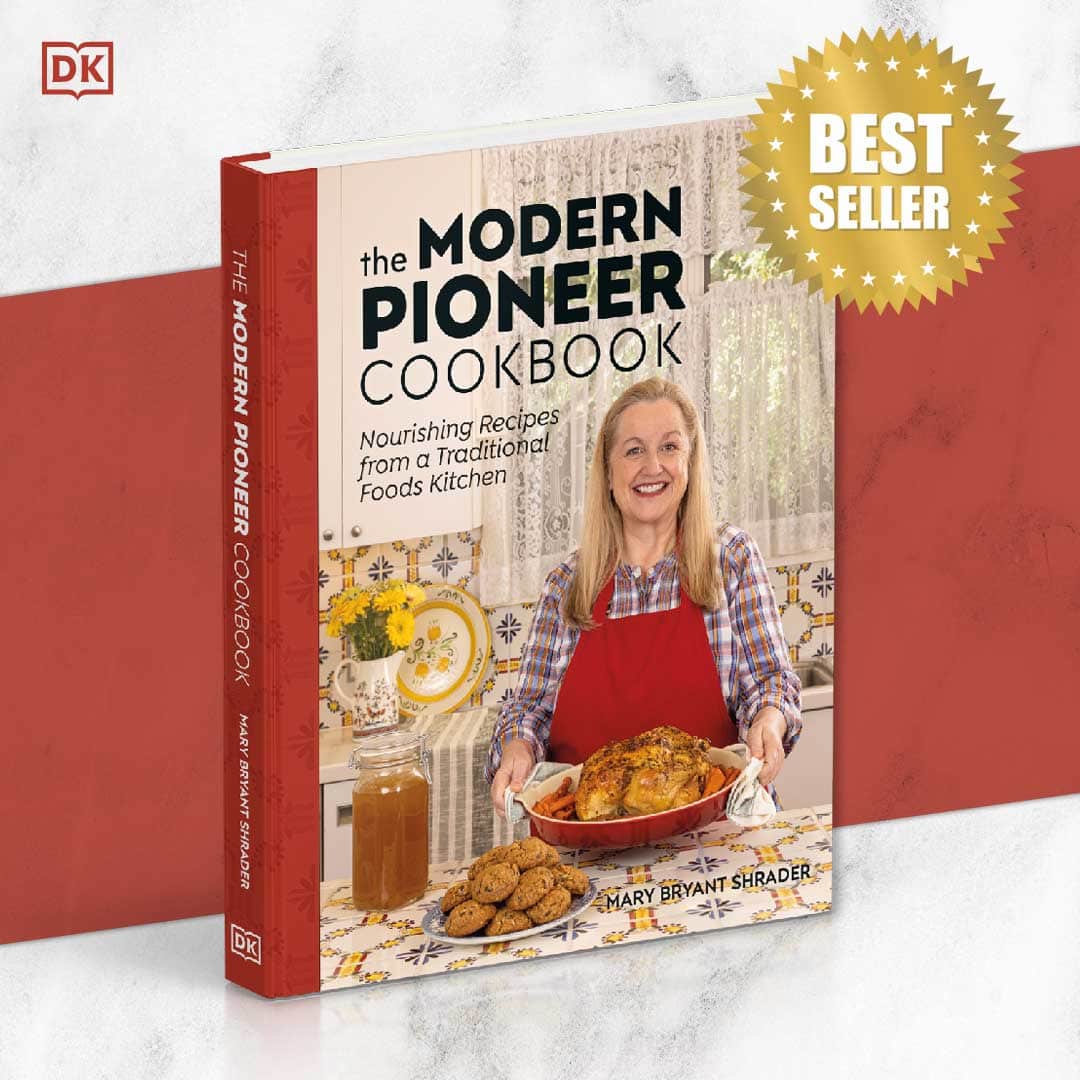
The Modern Pioneer Cookbook
Seasonal ingredients, traditional techniques, and nourishing recipes. Over 85 traditional, from-scratch recipes! Discover for yourself how you can use simple ingredients and traditional techniques to cook the modern pioneer way.
Order YOUR COPY Now!
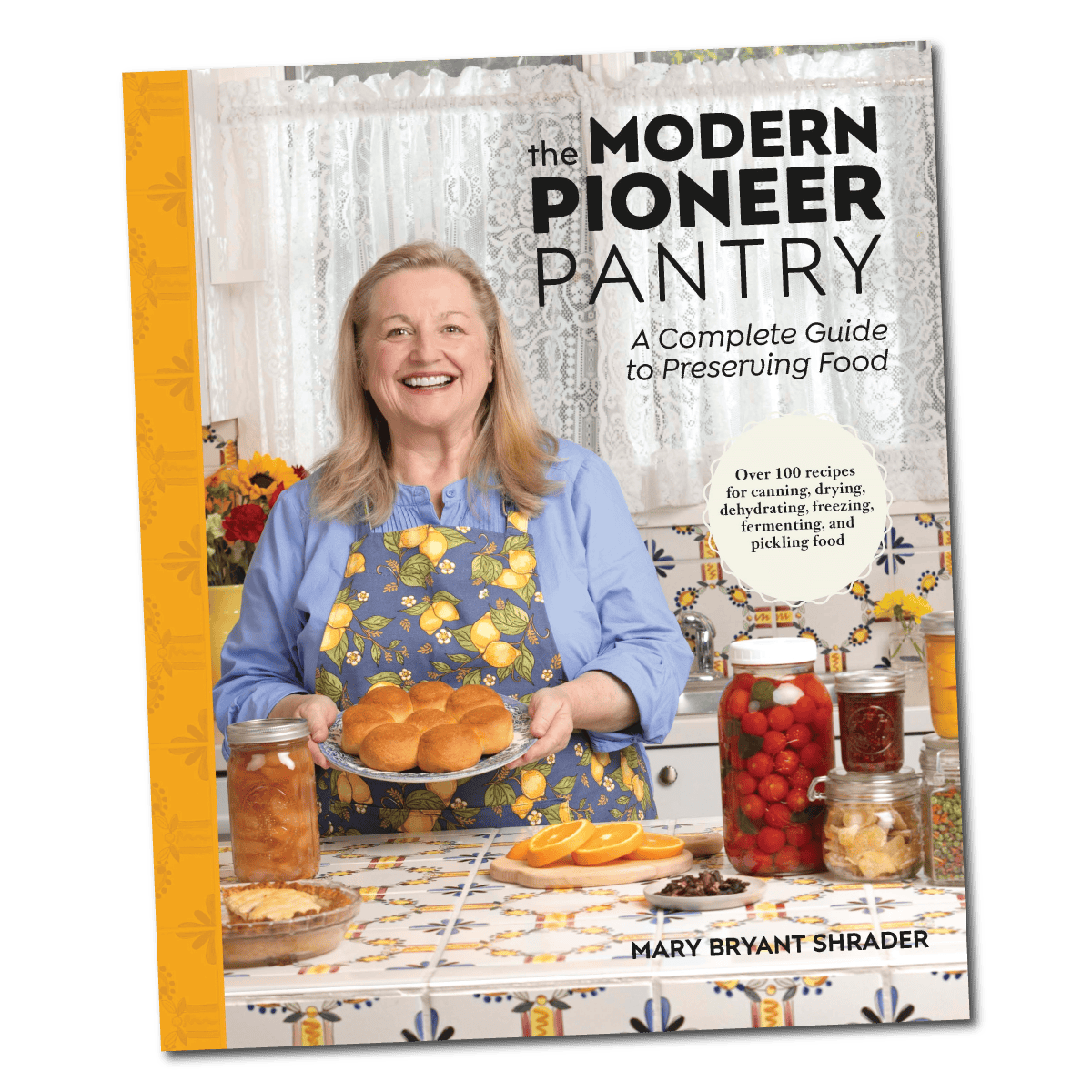
The Modern Pioneer Pantry
Simple ingredients, timeless techniques, and a well-stocked pantry. Discover over 100 nourishing recipes to preserve food and turn pantry staples into delicious, homemade meals. Build a wholesome, traditional pantry—just like a modern pioneer!
Traditional Foods Kitchen Academy
My comprehensive vodcasts are exclusively available to members of the Traditional Foods Kitchen Academy, who we call Kitchen Pioneers. You can learn more about my optional YouTube membership community, including members-only videos and exclusive perks.
This membership community is optional. I’m still publishing my detailed instructional cooking videos on my public YouTube channel that you can watch for free. (Thanks so much for being a Sweet Friend and subscriber!)
Join the Traditional Foods Kitchen Academy
As a Kitchen Pioneer member, your YouTube video comments include a special badge next to your YouTube username. You’re always welcome to post questions and comments on my videos, and I’m happy to reply.
Catch up on some of the videos in our membership community that you may not have seen:
- Traditional Foods Kitchen Academy video playlist (Optional Membership Community)
Kitchen Academy Videos
A Cozy Fall Kitchen: Cooking, Books, and Cherished Memories
Join me for a cozy fall visit filled with oven cooking, favorite books, and memories of my mother’s winter pantry preparations.
How to Mix Whole Grains for a Warm and Nourishing Porridge
Learn to mix oat groats, barley, and other whole grains for a warm, nourishing porridge with easy make-ahead tips and tasty toppings.
How Much of Each Natural Remedy Should You Make?
Use your family’s needs, past experience, and seasonal habits to decide how much to prepare for your Healing Pantry.
Stay in Touch with Mary’s Nest
- Subscribe to My YouTube Channel for Traditional Foods Videos (Free) - When you subscribe, be sure to click on the notification bell that will let you know each time I upload a new video.
- Subscribe to Mary’s Traditional Foods Newsletter (Free) - Get a free 36-page eBook for signing up: How to Stock Your Essential Traditional Foods Four-Corners Pantry.
- Join the Traditional Foods Kitchen Academy - For more detailed videos and exclusive members-only perks, join my YouTube membership community.
- Order The Modern Pioneer Cookbook - Get a hardcover book of Mary's nourishing recipes from a Traditional Foods Kitchen. This bestselling cookbook is published by Penguin Random House with their DK imprint.
- Order The Modern Pioneer Pantry - Get Mary's latest hardcover cookbook about preserving food and making delicious meals from your Four Corners Pantry. Mary's second cookbook is also published by Penguin Random House.
I look forward to having you join me in my Texas Hill Country Kitchen!
Shop for items used in this blog post or video
Favorite Kitchen Supplies
- Favorite Aprons
- Spice Grinder
- Countertop Burner (On my kitchen island in many recipe videos.)
- Handheld Vacuum Sealing System
- Vacuum Lids
- Whisk
- Silica Gel Packets (Helps keep moisture from building up in your mix)
- Cast Iron Dutch Oven
- 8-Quart Slow-Cooker
- Fat Separator (Clever kitchen device to help you decant bone broth)
- Flour Sack Towels
- pH Strips (Helps you check on the acidity of your vinegar)
Amazon Shop and Shopping Guide
- Visit Mary’s Nest Amazon Shop
- Get a 30-day Audible trial with a free audiobook
- Visit my Shopping Guide page
Get up to 15% off for stocking your Traditional Foods Pantry and equipping your Modern Pioneer Kitchen, including discounts from US Wellness Meats, Farmhouse Teas, Backwoods Home, Masontops, Cultures for Health, Survival Garden Seeds, Redmond Real Salt, and More!