If you’ve been wanting to make homemade bone broth but still have a few questions, you’re certainly not alone. From wondering whether homemade broth is really worth the effort to asking if bones can be reused, these are some of the most common questions I receive from readers and viewers.
The good news is that making bone broth is easier—and often much more economical—than many people realize. Once you understand a few simple principles, you’ll be able to enjoy rich, nourishing homemade bone broth for pennies per serving.
Whether you’re making chicken bone broth, beef bone broth, or both, these frequently asked questions will help you get started with confidence.
Affiliates note: As an Amazon Associate I earn from qualifying purchases. My content may contain affiliate links to products and services. If you click through and make a purchase, I’ll receive a small commission. It does not affect the price you pay.
Table of Contents
- A Quick Glance
- Why Do So Many Home Cooks Love Homemade Bone Broth?
- Is Homemade Bone Broth Worth Making?
- Can You Really Reuse Bones?
- Learn More
- Why Add Vinegar or Another Acid?
- Why Is Gelatinous Bone Broth So Desirable?
- What’s the Best Way to Cook Bone Broth?
- How Can Homemade Bone Broth Save Money?
- What About Expensive Beef Bones?
- When Should You Finally Discard the Bones?
- Final Thoughts
- Bone Broth Recipes and Videos
- Get Bone In Meats from Shirttail Creek Farm
- Looking for Beef Bones?
- Backwoods Home and Self-Reliance
- Mother Earth News
- The Modern Pioneer Cookbook
- The Modern Pioneer Pantry
- Start Your Traditional Foods Journey
- Download Your Free 36-Page Pantry List
- Join the Traditional Foods Kitchen Academy
- Kitchen Academy Videos
- Shop for My Favorite Items
A Quick Glance
- Homemade bone broth is often much more economical than buying prepared broth.
- Chicken bone broth can be made using leftover roast chicken carcasses and saved vegetable scraps.
- Beef bones can be reused multiple times to make additional batches of broth.
- Adding a small amount of acid, such as apple cider vinegar or white vermouth, helps draw collagen from the bones.
- A slow cooker set to a gentle temperature produces beautifully gelatinous bone broth.
- Gelatinous broth is a good sign that collagen has been extracted from the bones.
- Even when a later batch no longer gels, it can still provide flavor and nutrition.
- Continue making new batches until the bones no longer produce flavorful broth.
Why Do So Many Home Cooks Love Homemade Bone Broth?
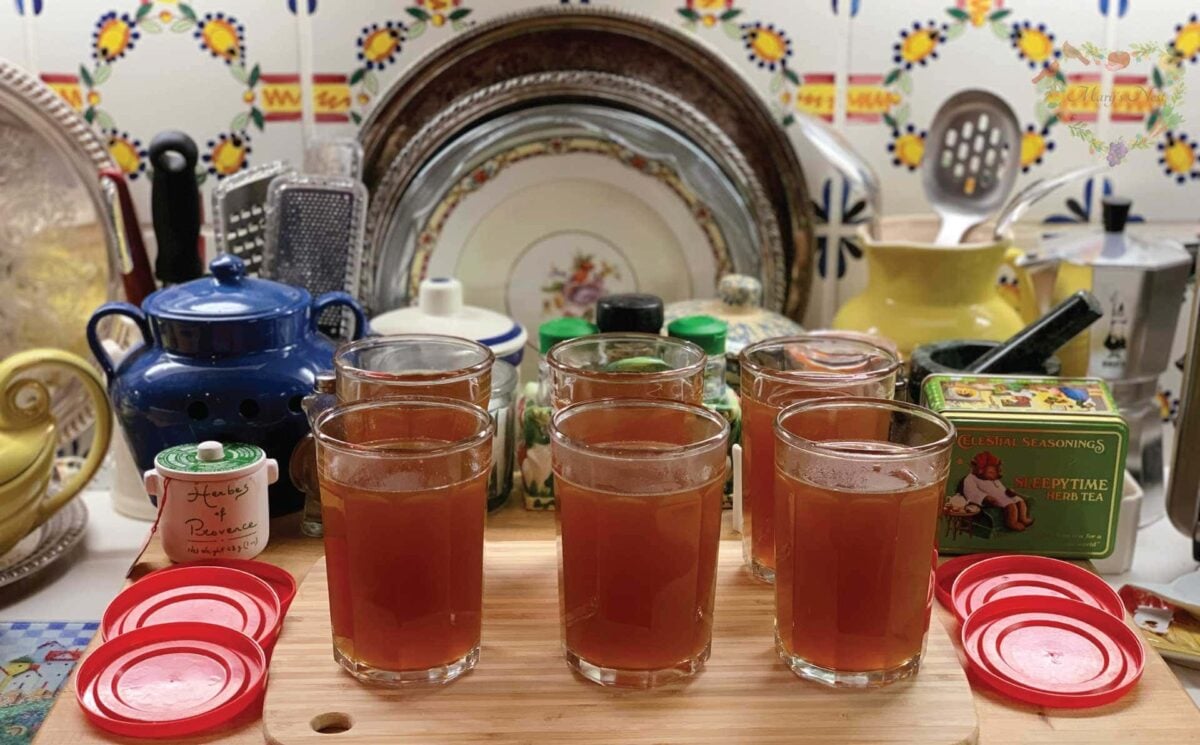
One of the biggest misconceptions about bone broth is that it’s expensive to make. While purchasing quality bones does involve some cost, homemade broth stretches those ingredients much farther than many people expect.
Instead of producing just one batch, you can often reuse the same bones again and again. That means every batch becomes more economical while still providing wonderful flavor and nourishment.
Is Homemade Bone Broth Worth Making?
Absolutely! Store-bought bone broth is convenient, but homemade broth offers several advantages:
- You control every ingredient.
- You can use bones that might otherwise be discarded.
- You can adjust the flavor to suit your family’s tastes.
- You can make multiple batches from the same bones.
- You often end up with a richer, more gelatinous broth than what’s available at the grocery store.
Can You Really Reuse Bones?
Yes! This surprises many people.
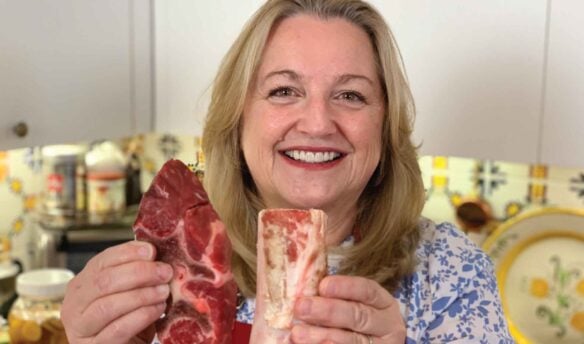
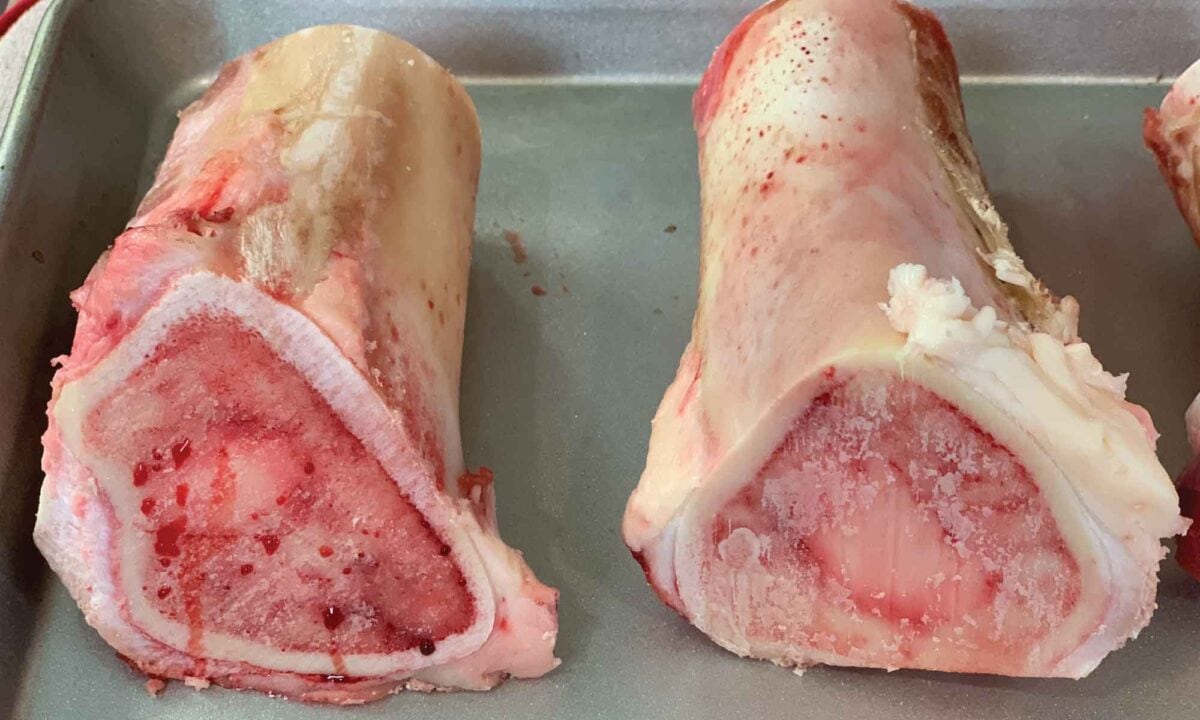
After making your first batch, there is often still plenty of collagen, flavor, and nutrition remaining in the bones—especially beef bones, oxtails, neck bones, marrow bones, and chicken feet.
Instead of throwing everything away:
- Strain the finished broth.
- Compost the spent vegetables.
- Return the bones to your cooking vessel.
- Add fresh water, fresh vegetables, and a little more acid.
- Cook another batch.
Many home cooks enjoy several excellent batches from the same bones, and some even keep what is affectionately called a “perpetual bone broth” going for many batches.
Learn More
Why Add Vinegar or Another Acid?
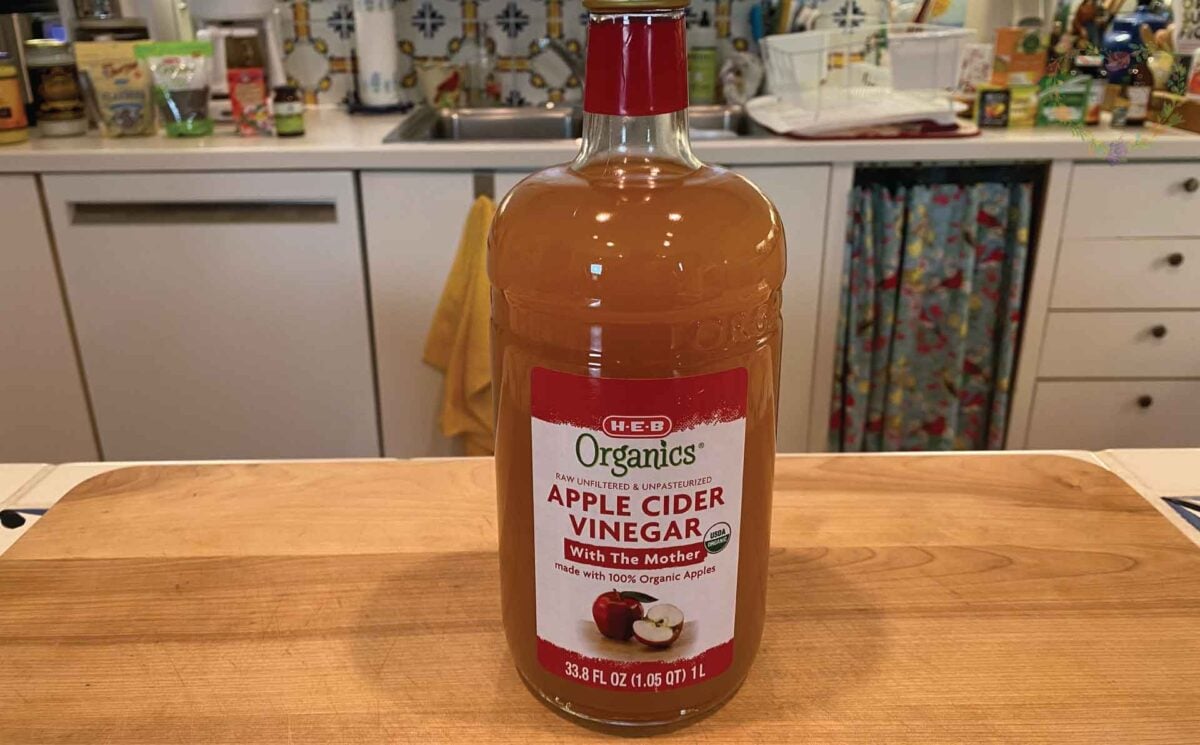
A small amount of acid helps draw collagen and minerals from the bones during cooking.
Many cooks use apple cider vinegar, while others prefer white vermouth for its pleasant flavor. Either works well, and only a small amount is needed.
- Learn more: How to Make Homemade Apple Cider Vinegar
Why Is Gelatinous Bone Broth So Desirable?
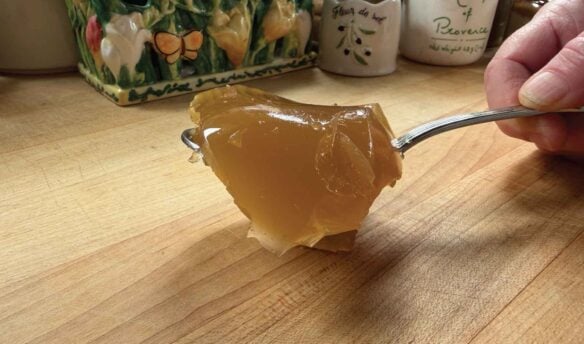
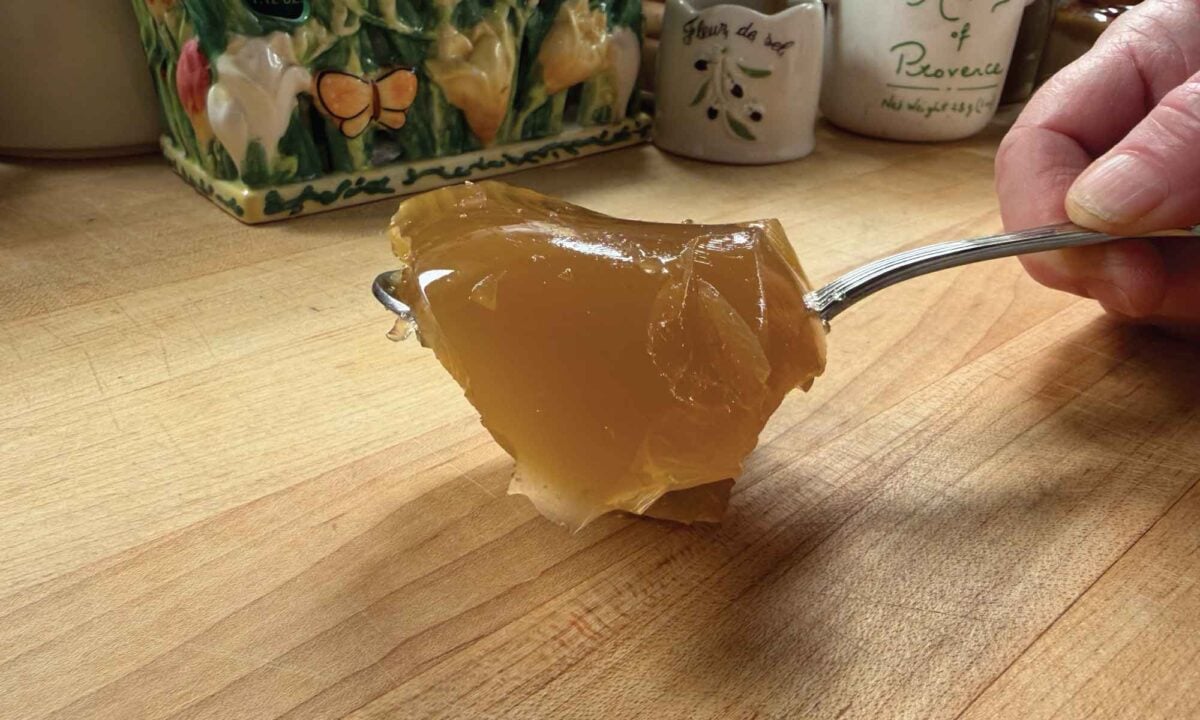
Don’t Worry—Jelly-Like Broth Is a Good Thing! When chilled, a well-made bone broth often firms into a soft gel. That’s a sign that plenty of collagen has been extracted from the bones during the long, gentle cooking process.
While broth that doesn’t gel can still be flavorful and nutritious, a gelatin-rich broth is especially prized because it is traditionally valued for supporting both joint health and digestive wellness.
Learn More
- How to Guarantee Your Bone Broth Gels: 3 Essential Tips for Success
- What is the Difference Between Broth, Stock, and Bone Broth?
- How to Make Simple Beef Stock from Scratch
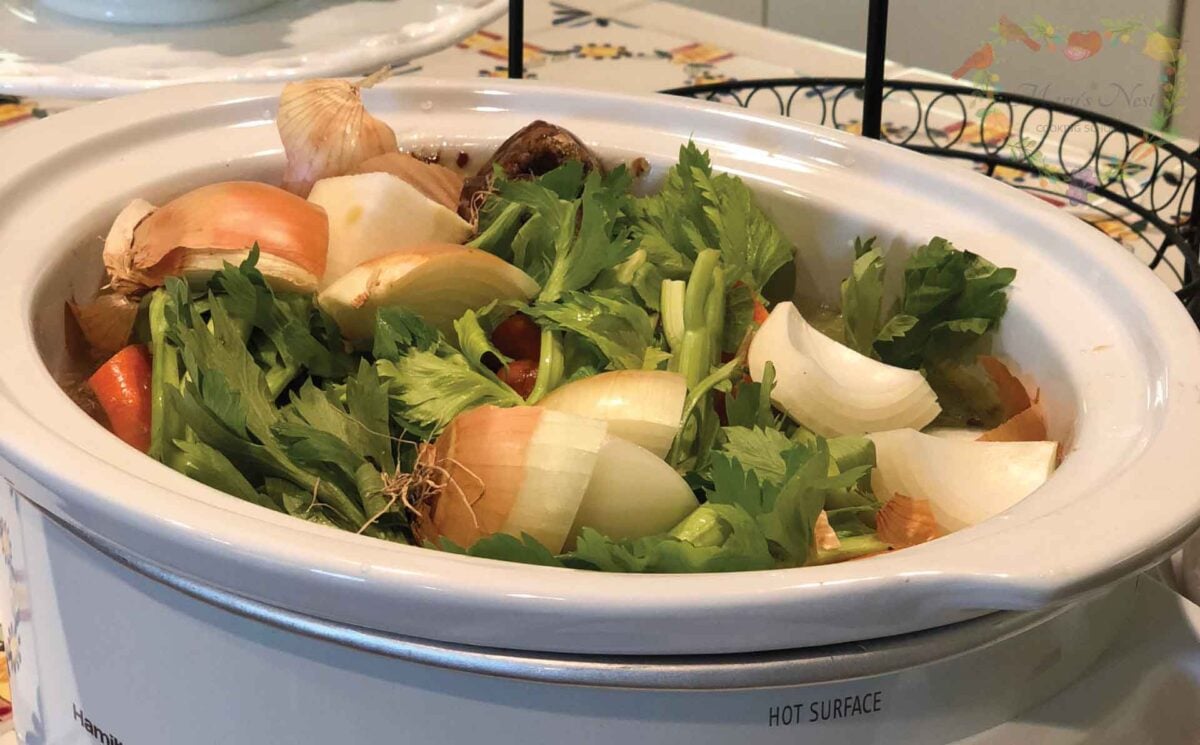
What’s the Best Way to Cook Bone Broth?
A slow cooker makes it easy. Although pressure cookers can certainly make bone broth, I continue to prefer using a slow cooker because of the wonderful flavor and texture it produces.
- Chicken Bone Broth: Cook for about 6 hours.
- Beef Bone Broth: Cook for about 12 hours.
A gentle cooking temperature is ideal. Rather than allowing the broth to boil vigorously, a slow, steady simmer helps produce a beautifully gelatinous broth.
Learn More
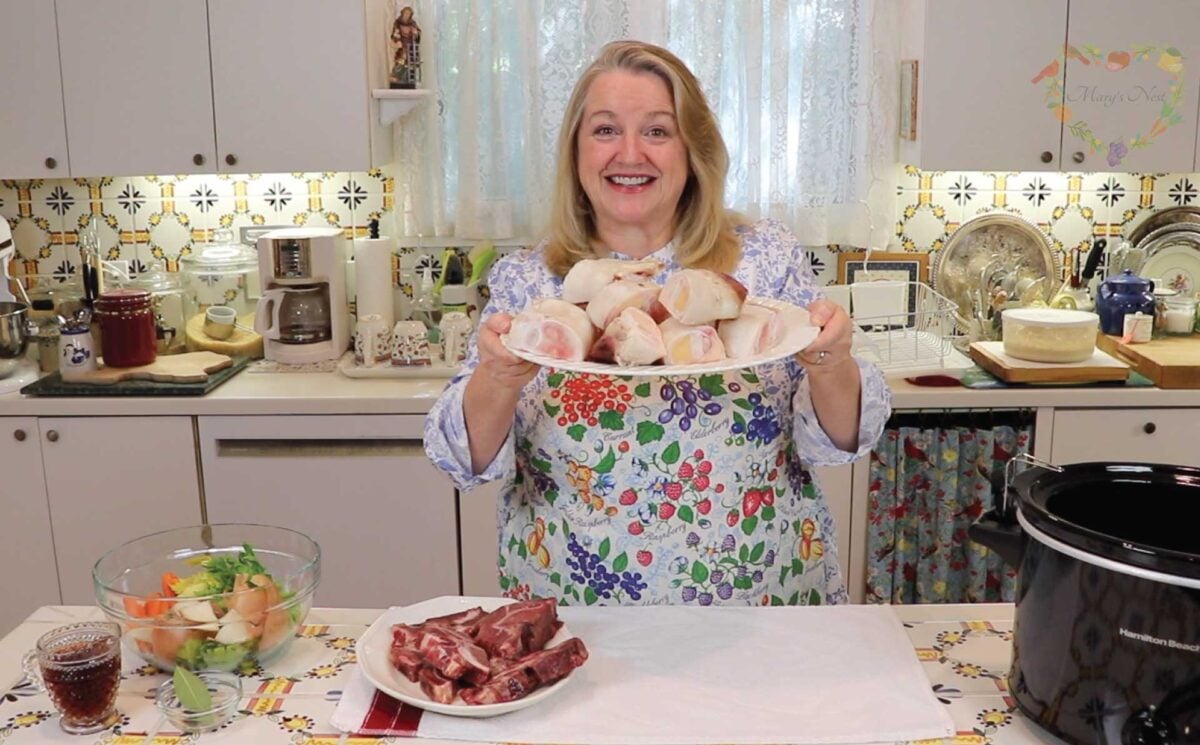
How Can Homemade Bone Broth Save Money?
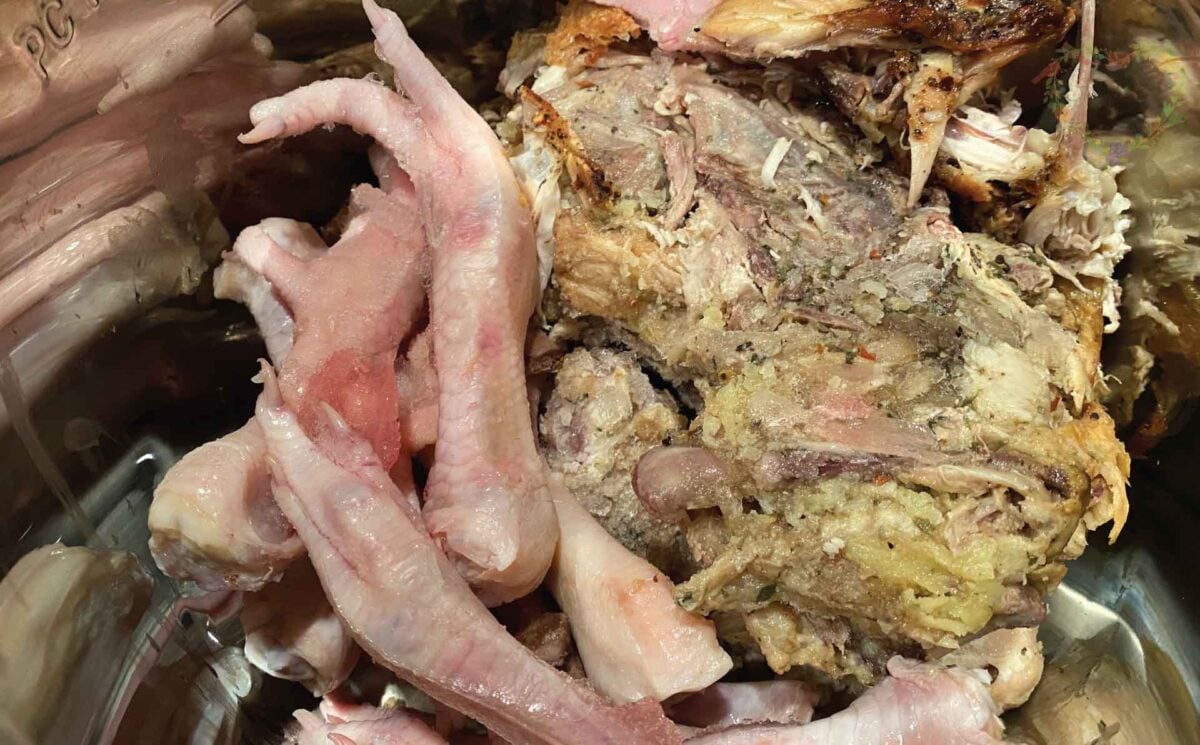
One of my favorite ways to make chicken bone broth is by using items that might otherwise be thrown away. That includes:
- Roast chicken carcasses
- Onion ends
- Carrot peels
- Celery tops
- Other saved vegetable scraps
By keeping a freezer bag of bones and vegetable trimmings, you can turn what might have become kitchen waste into nourishing homemade broth.
Learn More
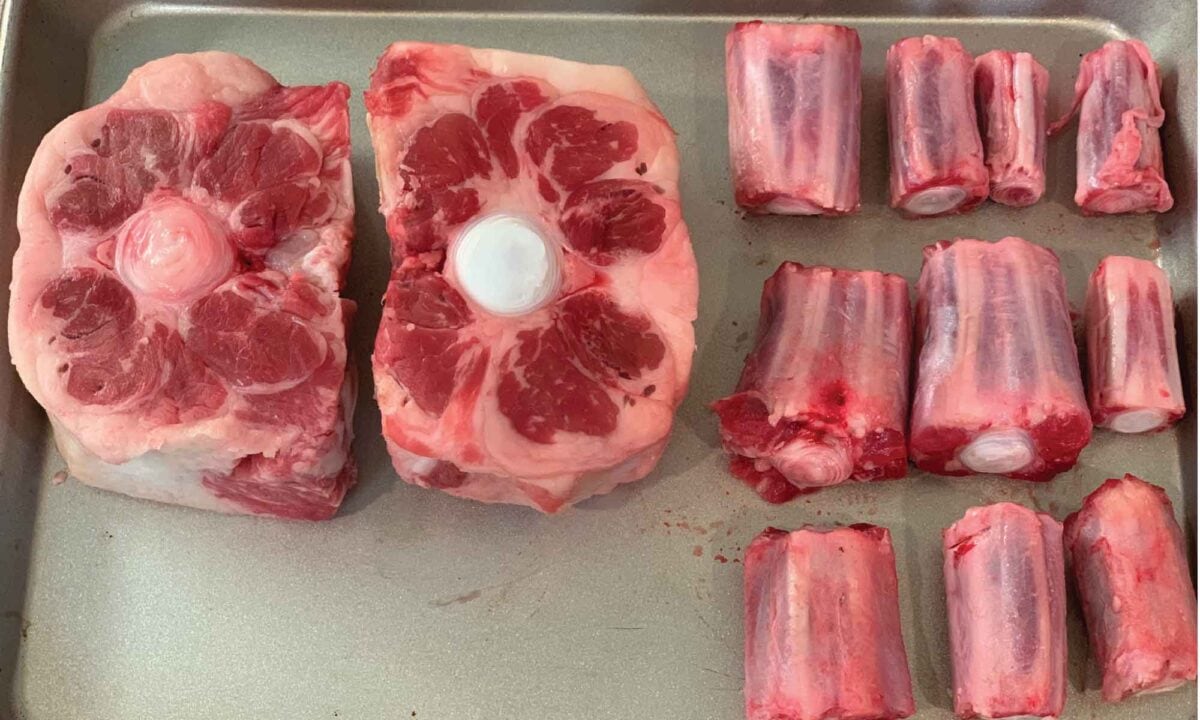
What About Expensive Beef Bones?
Quality beef bones—especially oxtails—can seem expensive at first. The key is remembering that you’re not paying for just one batch of broth.
Since those same bones can be reused several times, the cost per batch drops dramatically, making homemade beef bone broth much more affordable than it first appears.
When Should You Finally Discard the Bones?
Eventually, you’ll notice that your broth:
- No longer becomes gelatinous,
- Has very little flavor, and
- The bones have given up everything they have to offer.
That’s the time to retire them and begin again with a fresh batch of bones.
Final Thoughts
Making homemade bone broth doesn’t have to be complicated—or expensive. With a little planning, a handful of quality bones, and the willingness to reuse them for multiple batches, you can enjoy rich, flavorful broth that’s both economical and deeply satisfying.
Whether you’re just beginning your traditional foods journey or you’ve been making bone broth for years, remember that every batch teaches you something new. Start with what you have, cook it gently, and enjoy the nourishing rewards of homemade bone broth.
Bone Broth Recipes and Videos

The Best Bones for Making Beef Bone Broth—Plus a Giveaway!
Learn which bones make rich, gelatinous beef bone broth, and enter to win $150 in US Wellness Meats products and two signed cookbooks!
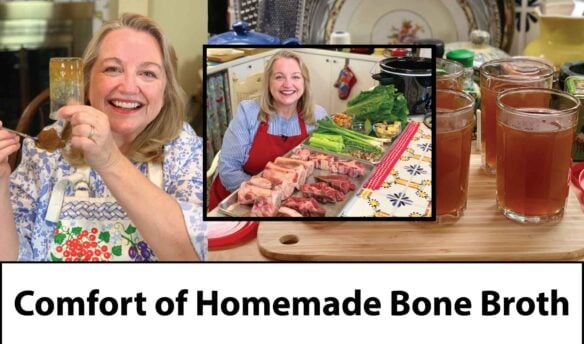
Can You Make the Best Homemade Bone Broth?
Learn how to make rich, gelatinous, homemade bone broth, save money by reusing bones, and enjoy a flavorful Keto variation.
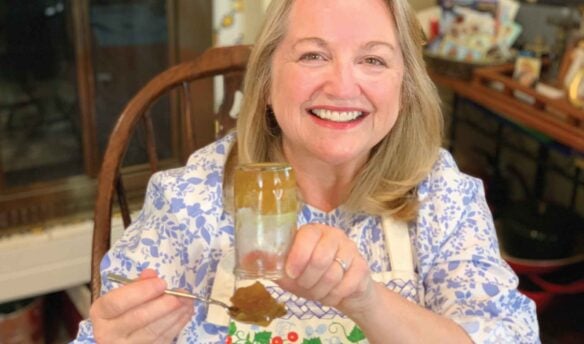
How to Guarantee Your Bone Broth Gels: 3 Essential Tips for Success
Learn essential tips to make rich, gelatinous beef bone broth, plus a bonus tip for better flavor, texture, and nourishment.
Get Bone In Meats from Shirttail Creek Farm

I’d like to introduce you to Shirttail Creek Farm, located in Brenham, Texas. They offer a wide range of grass-fed and finished beef, pastured pork, chicken, and eggs, and lots more through their online store.
In addition to Bone-In Chuck Roasts and Pastured Stewing Hens, you can find lots of nutritious meats and products to help you make the most healthy and gelatinous beef bone broth:
Looking for Beef Bones?
If you can’t find beef bones in your neighborhood supermarket or farmer’s market, check out US Wellness Meats.
- Use discount code MARYNEST and my link for a one-time 15% savings off regular-priced items on your US Wellness Meats order. You can shop for a variety of products, including:
This post is not sponsored. I’m a long-time customer of US Wellness Meats because I have always been impressed by the quality of their products. Check out my US Wellness Meats unboxing video to see the types of products you can get, including bones for beef bone broth!
Backwoods Home and Self-Reliance
The Backwoods Home and Self Reliance printed magazines are two of our favorite publications, especially since they deal with topics of interest to traditional foods cooks and modern pioneers.
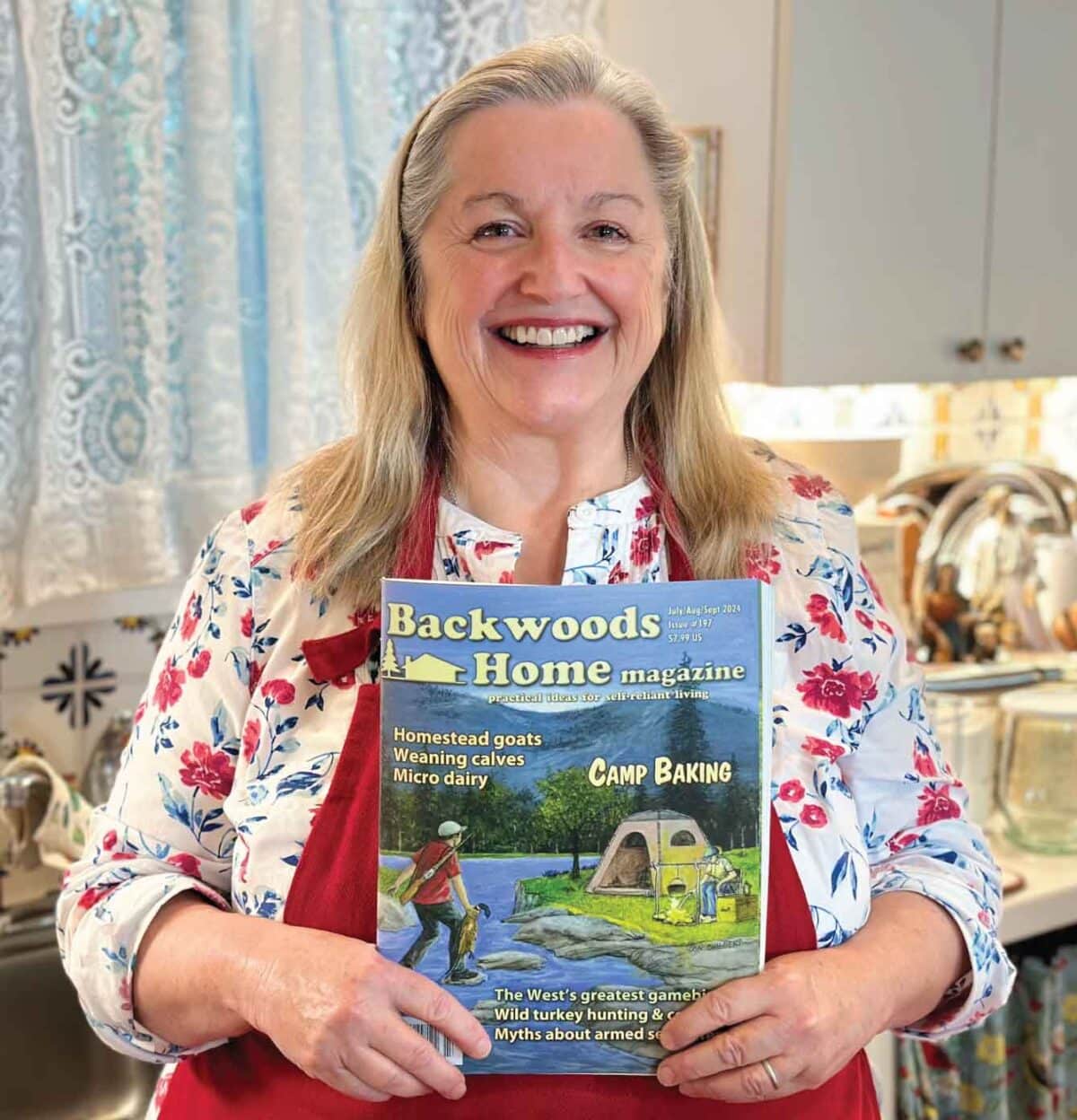
- Special Offer: The publisher of Backwoods Home and Self Reliance is offering my sweet friends 50% off subscriptions to their printed magazines. This is not a sponsored post. I love these publications, and I’m grateful you can get them at a discount.
Mother Earth News
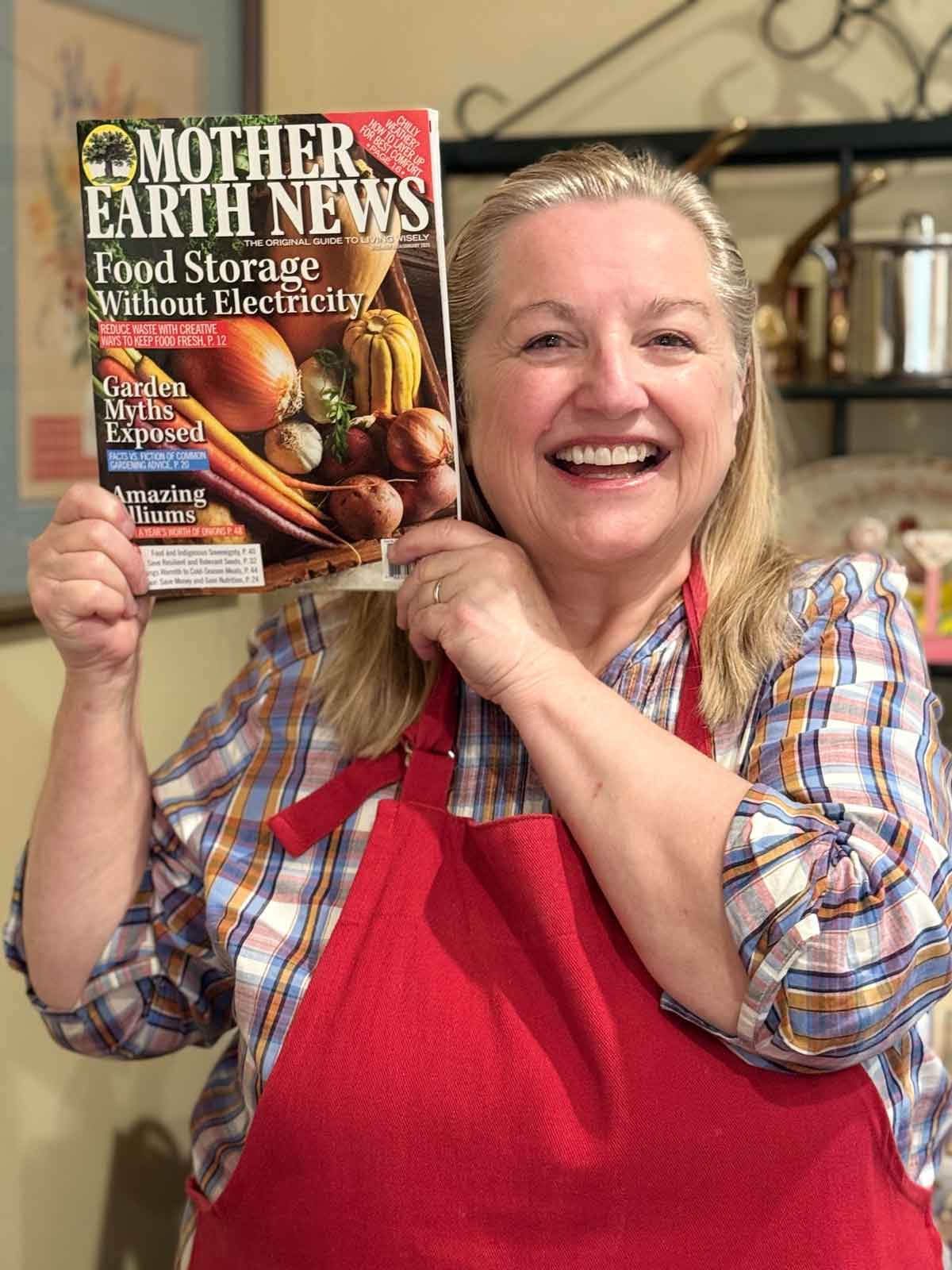
- Use any of the following links and code MarysNest10 at checkout to save $10 off any $50+ order of books, subscriptions, and more:
🛒 Order any of these publications from the Mother Earth News store
📖 Grab a copy of my bestselling book, The Modern Pioneer Cookbook
📰 Subscribe to the Mother Earth News magazine
…or mix and match!
Learn more and discover why I love my subscription to Mother Earth News.
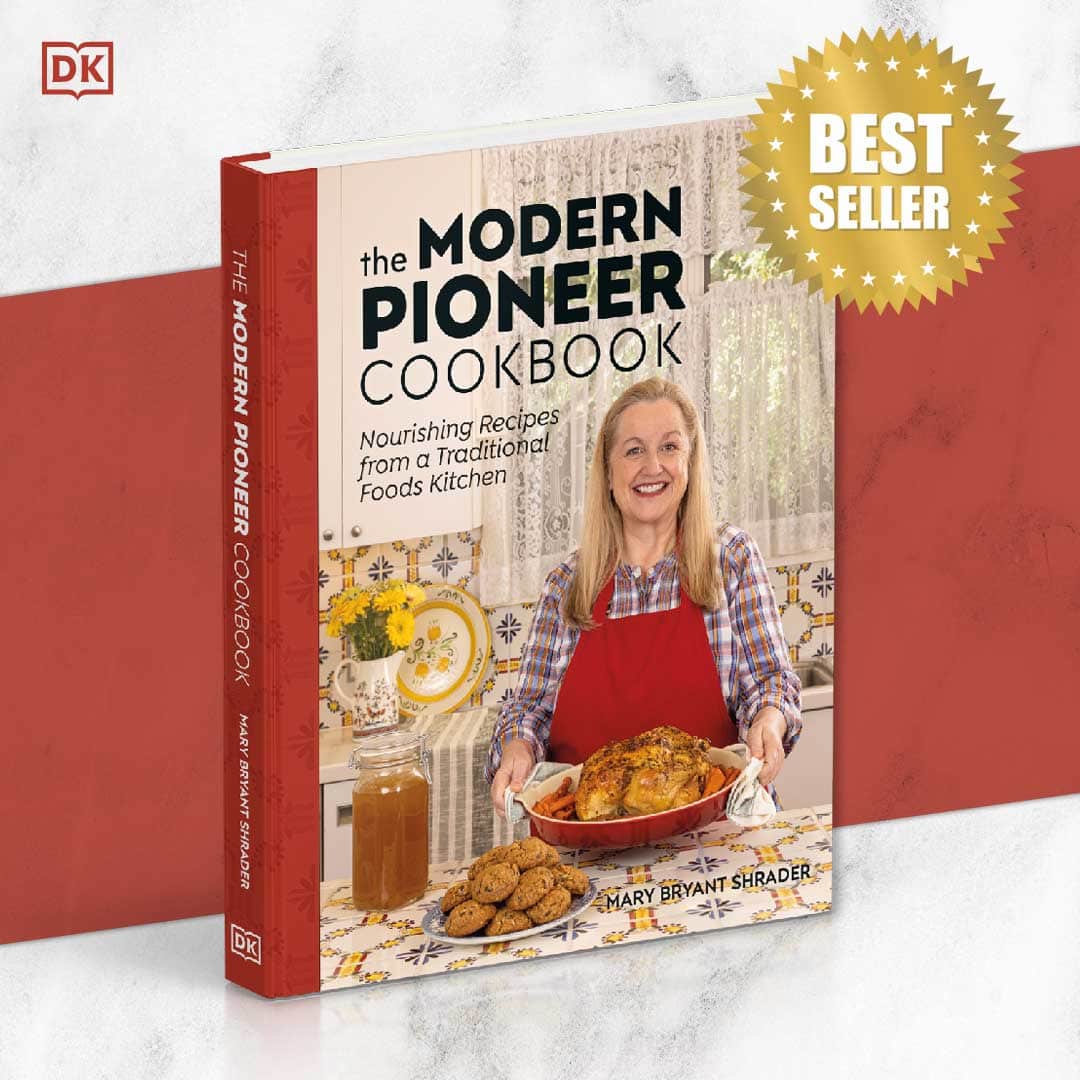
Order YOUR COPY Now!
The Modern Pioneer Cookbook
Seasonal ingredients, traditional techniques, and nourishing recipes. Over 85 traditional, from-scratch recipes! Discover for yourself how you can use simple ingredients and traditional techniques to cook the modern pioneer way.
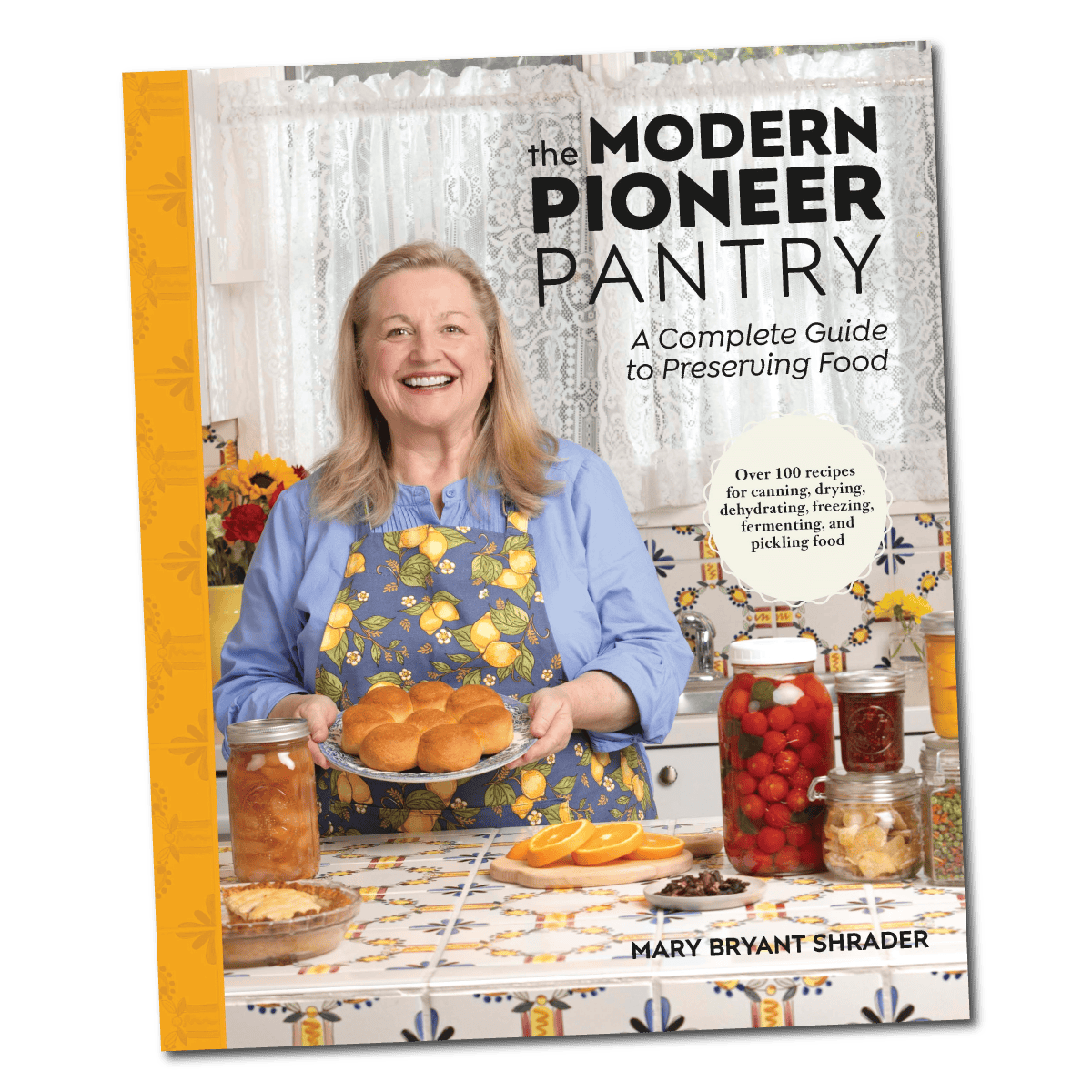
Order YOUR COPY Now!
The Modern Pioneer Pantry
Simple ingredients, timeless techniques, and a well-stocked pantry. Discover over 100 nourishing recipes to preserve food and turn pantry staples into homemade meals. Build a wholesome, traditional pantry—just like a modern pioneer!
Start Your Traditional Foods Journey
Sharing my passion for traditional cooking goes beyond my YouTube cooking school—it also comes to life in the pages of my cookbooks. Both of my books, The Modern Pioneer Cookbook and The Modern Pioneer Pantry, are proudly published by Penguin Random House.
The first is filled with time-honored recipes to help you create a traditional foods kitchen, while the second is your complete guide to home food preservation. Order both books today to start or continue your traditional foods journey.
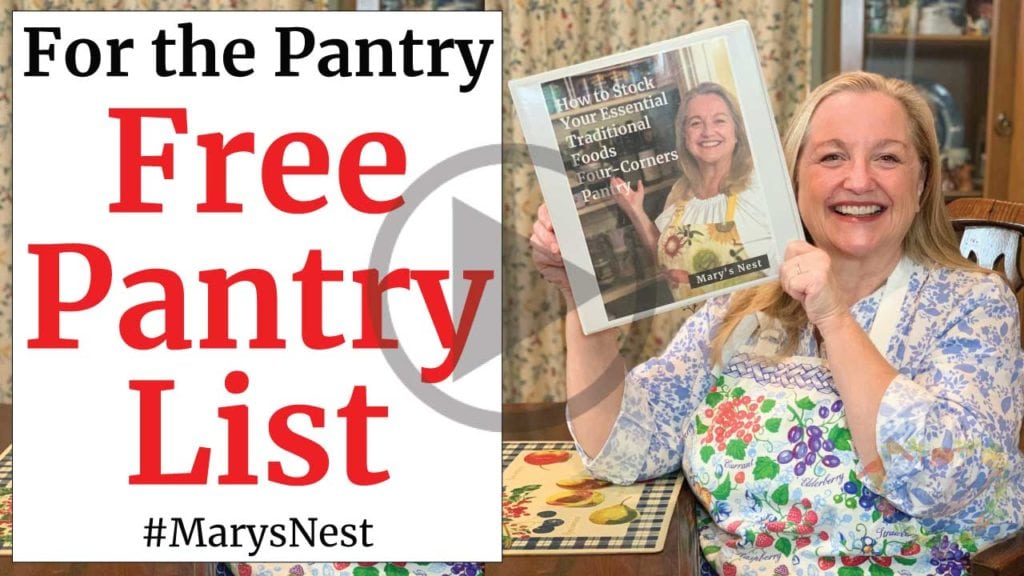
Download Your Free 36-Page Pantry List
For an extensive list of the traditional foods you can make and purchase to stock your pantry, be sure to download my free 36-page Traditional Foods Pantry List. This comprehensive eBook is full of links to recipe videos, helpful articles, and more!
Join the Traditional Foods Kitchen Academy
Are you looking for more traditional foods videos? If so, I invite you to join the Traditional Foods Kitchen Academy. Members of this optional paid YouTube community get access to exclusive videos and other members-only perks. Plus, your YouTube comments include a special members-only badge.
Kitchen Academy Videos
How to Mix Whole Grains for a Warm and Nourishing Porridge
Learn to mix oat groats, barley, and other whole grains for a warm, nourishing porridge with easy make-ahead tips and tasty toppings.

How Much of Each Natural Remedy Should You Make?
Use your family’s needs, past experience, and seasonal habits to decide how much to prepare for your Healing Pantry.

Baking Questions Answered with Ted and Mary!
Join me and my husband Ted for a Q&A filled with practical kitchen tips, helpful techniques, and answers to your baking questions.
Stay in Touch with Mary’s Nest
- Subscribe to My YouTube Channel for Traditional Foods Videos (Free) - When you subscribe, be sure to click on the notification bell that will let you know each time I upload a new video.
- Subscribe to Mary’s Traditional Foods Newsletter (Free) - Get a free 36-page eBook for signing up: How to Stock Your Essential Traditional Foods Four-Corners Pantry.
- Join the Traditional Foods Kitchen Academy - For more detailed videos and exclusive members-only perks, join my YouTube membership community.
- Order The Modern Pioneer Cookbook - Get a hardcover book of Mary's nourishing recipes from a Traditional Foods Kitchen. This bestselling cookbook is published by Penguin Random House with their DK imprint.
- Order The Modern Pioneer Pantry - Get Mary's latest hardcover cookbook about preserving food and making delicious meals from your Four Corners Pantry. Mary's second cookbook is also published by Penguin Random House.
I look forward to having you join me in my Texas Hill Country Kitchen!
Shop for My Favorite Items
Favorite Kitchen Supplies
- Favorite Aprons
- Spice Grinder
- Countertop Burner (On my kitchen island in many recipe videos.)
- Handheld Vacuum Sealing System
- Vacuum Lids
- Whisk
- Silica Gel Packets (Helps keep moisture from building up in your mix)
- Cast Iron Dutch Oven
- 8-Quart Slow-Cooker
- Fat Separator (Clever kitchen device to help you decant bone broth)
- Flour Sack Towels
- pH Strips (Helps you check on the acidity of your vinegar)
Amazon Shop and Shopping Guide
- Visit Mary’s Nest Amazon Shop
- Get a 30-day Audible trial with a free audiobook
- Visit my Shopping Guide page
Get up to 15% off for stocking your Traditional Foods Pantry and equipping your Modern Pioneer Kitchen, including discounts from US Wellness Meats, Farmhouse Teas, Backwoods Home, Masontops, Cultures for Health, Survival Garden Seeds, Redmond Real Salt, and More!