
If you have ever wondered which bones make the best beef bone broth—or where to find them—I have a very special unboxing to share with you today. My friends at US Wellness Meats sent me a wonderful assortment of bones, including marrow bones, knuckle bones, oxtails, beef shanks, and even bison soup bones! I’ll show you each one and explain how the different types of best bones can help you make a rich, flavorful, and beautifully gelatinous broth.
And that’s not all! US Wellness Meats is also hosting a generous giveaway. One lucky winner will receive $150 worth of products from US Wellness Meats, along with signed copies of both my books, The Modern Pioneer Cookbook and The Modern Pioneer Pantry. Woo-hoo!

A Note About This Unboxing: US Wellness Meats kindly sent me the products featured in this unboxing as a gift. This video and blog post are not sponsored, and I was not paid to create them. I have been a loyal US Wellness Meats customer for many years and have purchased their bones with my own money. As always, the opinions I share are entirely my own.
Affiliates note: As an Amazon Associate I earn from qualifying purchases. My content may contain affiliate links to products and services. If you click through and make a purchase, I’ll receive a small commission. It does not affect the price you pay.
Table of Contents
- A Quick Glance: The Best Bones for Beef Bone Broth
- Enter the US Wellness Meats Giveaway
- What Is in My US Wellness Meats Unboxing Video?
- What Are the Best Bones for Making Beef Bone Broth?
- Try the New Bone Broth Seasoning Mix
- How to Build a Balanced Bone Broth
- Can You Reuse Beef Bones?
- Why Make Homemade Bone Broth?
- Before We Called It Bone Broth, It Was Simply Broth
- Learn How to Make Every Type of Bone Broth
- Bone Broth Recipes and Tutorials
- US Wellness Meats Discount Code
- The Modern Pioneer Cookbook
- The Modern Pioneer Pantry
- Start Your Traditional Foods Journey
- Download Your Free 36-Page Pantry List
- Join the Traditional Foods Kitchen Academy
- Kitchen Academy Videos
- Shop for My Favorite Items
A Quick Glance: The Best Bones for Beef Bone Broth
- Use a mixture of bones for the best balance of flavor, richness, and gelatin.
- Marrow bones add richness and contain nutritious marrow.
- Knuckle bones and patella bones contain cartilage that helps create a gelatinous broth.
- Oxtails provide meat, fat, bone, connective tissue, cartilage, and excellent flavor.
- Beef shanks contain both marrow bone and meat, making them especially versatile.
- Soup bones are often an economical choice and may contain a useful assortment of bone, cartilage, and meat.
- Many beef bones can be used for more than one batch of broth.
- US Wellness Meats’ new Bone Broth Seasoning Mix provides a convenient blend of vegetables, herbs, and spices.
- US Wellness Meats Discount: Save 15% off regular-priced items with my link and one-time use discount code MARYNEST.
- Don’t forget to enter the giveaway for a chance to win $150 worth of products from US Wellness Meats and signed copies of both of my cookbooks!
Enter the US Wellness Meats Giveaway
US Wellness Meats is giving one lucky winner a delicious head start on stocking a traditional foods kitchen. The prize includes:
- $150 worth of products from US Wellness Meats
- A signed copy of The Modern Pioneer Cookbook
- A signed copy of The Modern Pioneer Pantry
In addition to the US Wellness Meats products, my two cookbooks will provide plenty of inspiration for turning wholesome ingredients into delicious meals and building a well-stocked traditional foods kitchen and pantry. (Learn more about my Modern Pioneer Cookbook Series.)
Be sure to visit the official US Wellness Meats giveaway page for the complete entry instructions, eligibility requirements, and ending date.
Update: Looking for the bones in my unboxing? Find out how you can get them at a discount!
What Is in My US Wellness Meats Unboxing Video?
In my accompanying video, I open a package from US Wellness Meats filled with an assortment of bones that can be used to make homemade bone broth. Seeing the different bones side by side is particularly helpful if you are new to broth-making and are not quite sure what to request from a butcher or look for at the grocery store.
My unboxing includes:
- Beef oxtails
- Beef long marrow bones
- Beef medium marrow bones
- Beef knuckle bones
- A beef patella femur bone
- Beef osso buco, also known as beef shanks
- Bison soup bones
- Bone Broth Seasoning Mix
Note: You can find links to these products in my US Wellness Meats Discount Code section.
This selection demonstrates an important lesson: You do not need one specific bone—or every type of bone—to make an excellent broth. Learning what each bone contributes allows you to create the best combination from what is available and affordable.
What Are the Best Bones for Making Beef Bone Broth?
The best beef bone broth is generally made with a combination of bones. Some provide marrow and richness, some contribute meat and flavor, and others contain the cartilage and connective tissue that help the finished broth gel when chilled.
Beef Marrow Bones
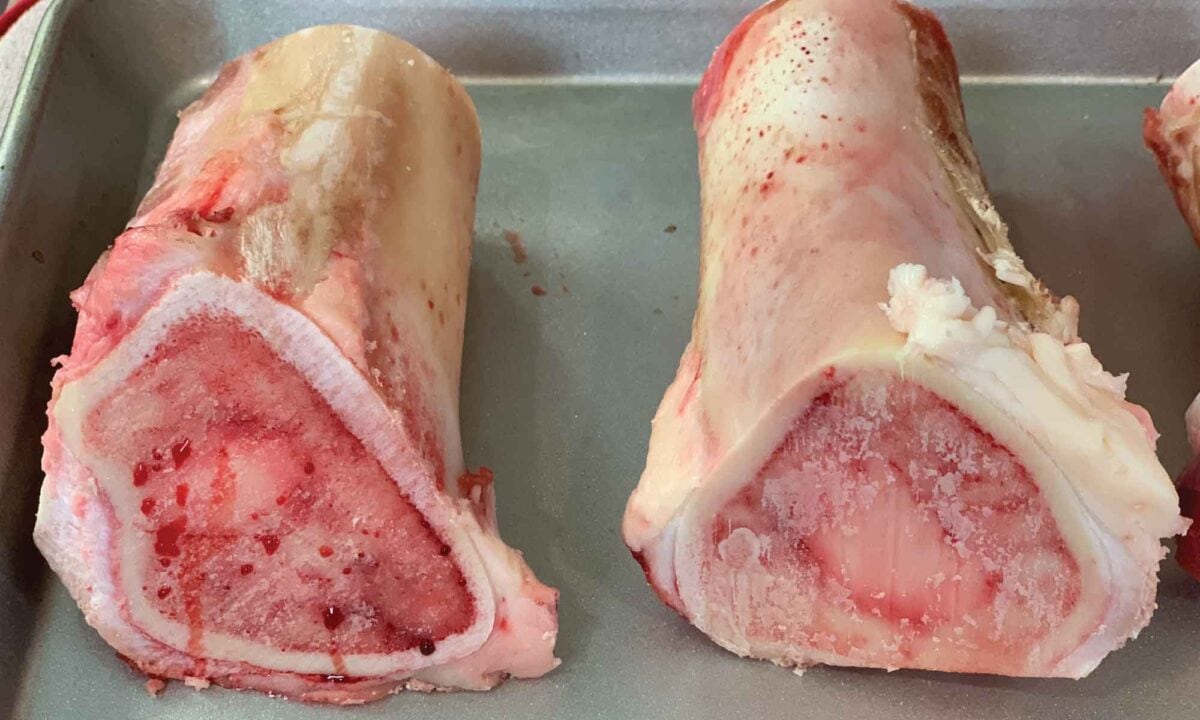
Marrow bones generally come from the leg and contain the soft, rich marrow found in the center of the bone. They add depth and richness to broth, and I like to include a few whenever possible.
However, marrow bones do not have to work alone. For the best chance of making a gelatinous broth, combine them with bones that have plenty of cartilage and connective tissue.
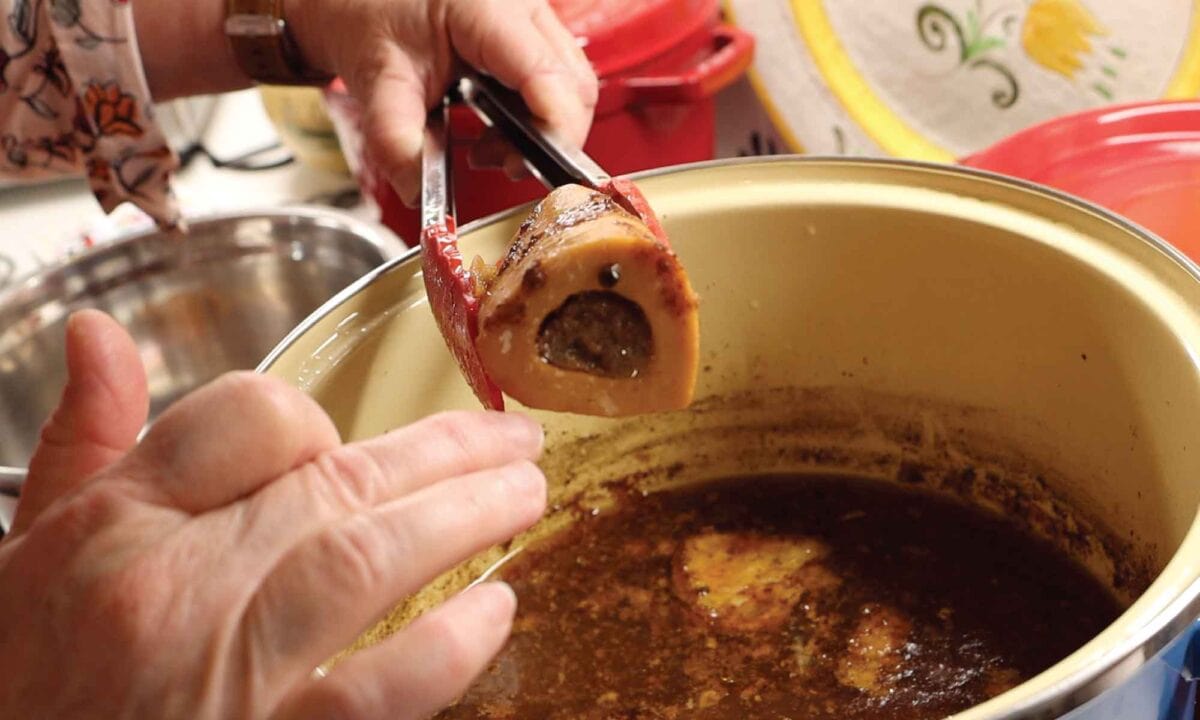
You may see marrow bones cut crosswise into small rounds or split lengthwise. Either style can be used for broth, although the different shapes may fit differently in your stockpot, slow cooker, or electric pressure cooker.
Beef Knuckle Bones
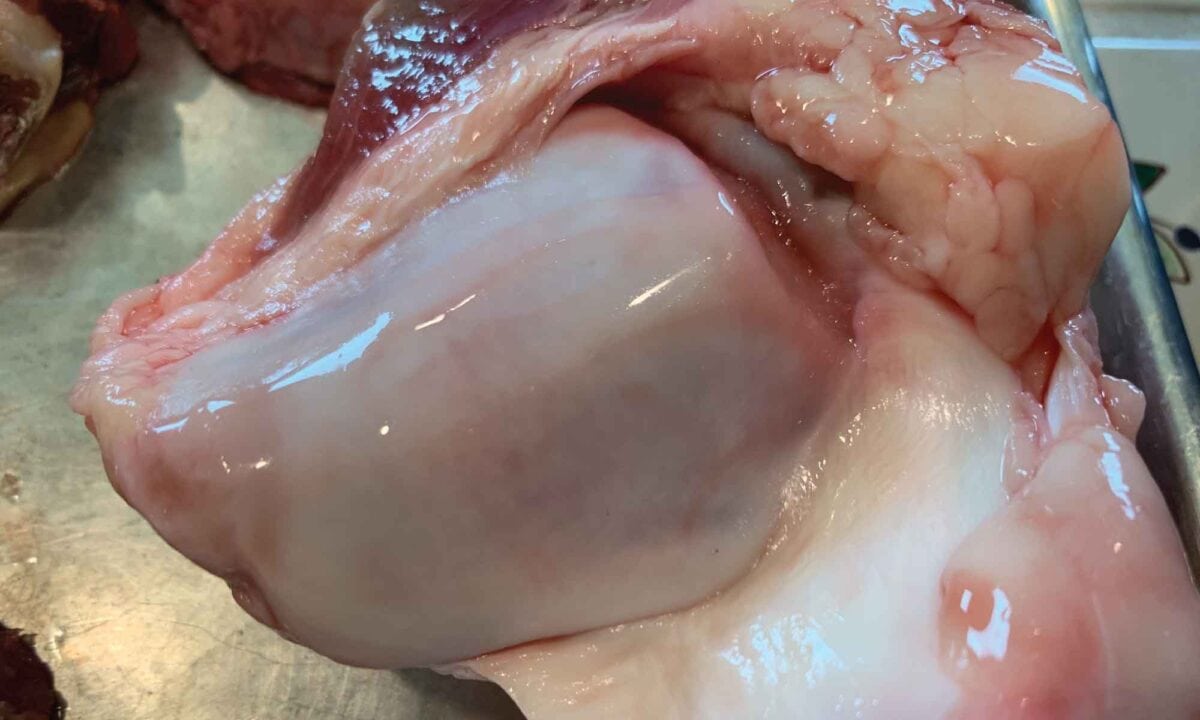
Knuckle bones come from a joint, so they contain the cartilage and connective tissue that broth-makers prize. As the bones simmer, their collagen breaks down into gelatin, giving a well-made broth body and that delightful jiggle after it has been refrigerated.
You generally do not need many knuckle bones. Even one added to a mixture of marrow bones and meaty bones can be helpful.
Beef Patella Femur Bones
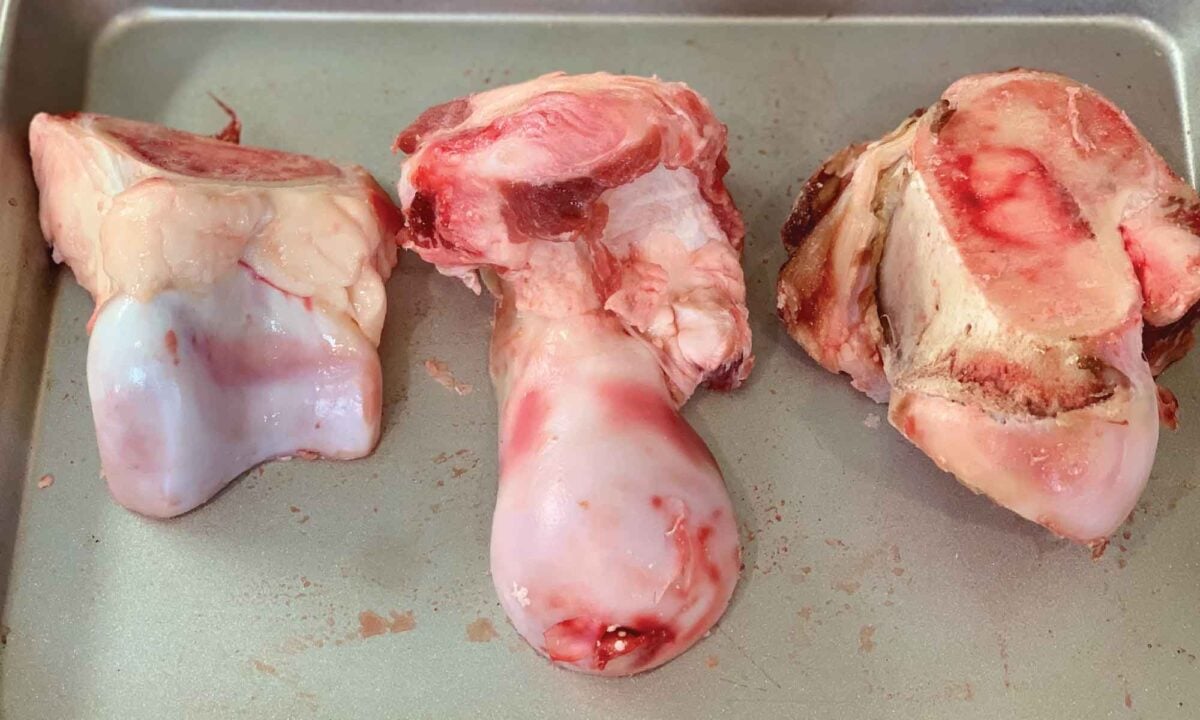
The patella is the kneecap, and this type of bone may be packaged together with part of the femur or sold under a more general name such as soup bones or beef bone broth bones.
Because the knee is a joint, these bones can contain a generous amount of cartilage. They are worth looking for when you want a broth that gels nicely, and they may sometimes be more economical than fashionable cuts such as oxtails.
Beef Oxtails
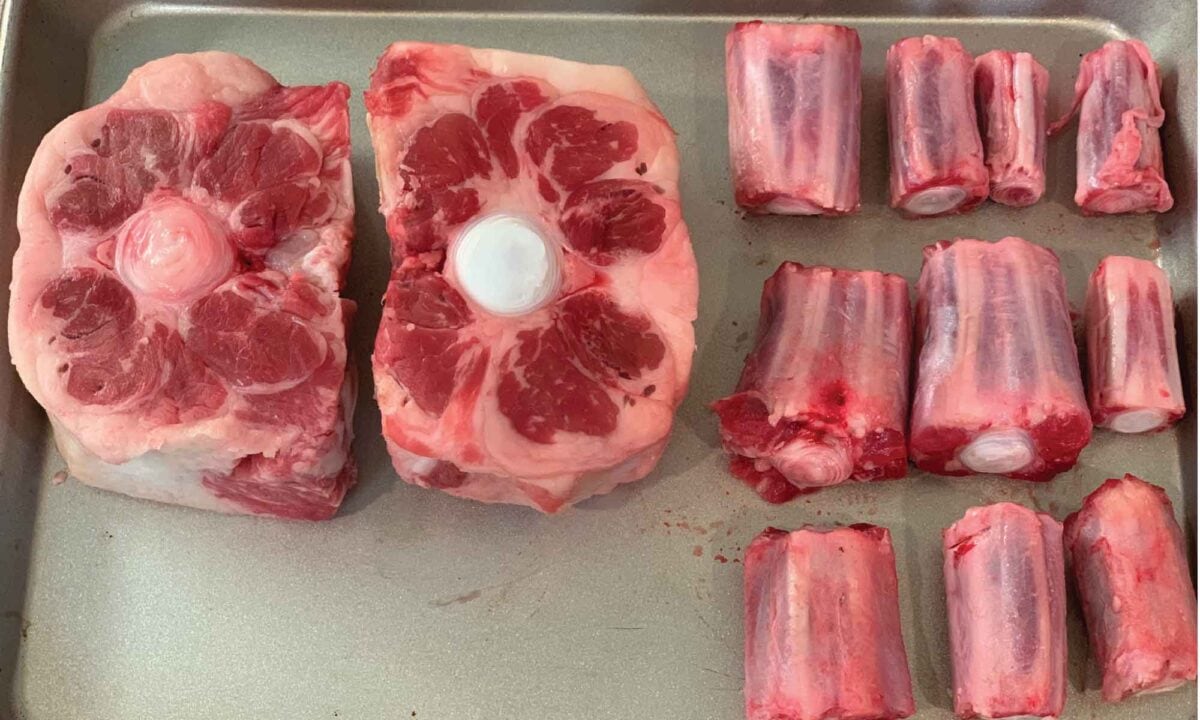
Oxtails are one of the stars of the bone broth pot. They contain a wonderful combination of meat, fat, bone, cartilage, and connective tissue. This combination creates a rich, full-flavored broth with the potential to become beautifully gelatinous.
Oxtails can be expensive, but you do not need to fill the entire pot with them. Adding a few pieces to other, less expensive bones allows you to enjoy their flavor and gelatin without stretching the grocery budget too far.
Beef Shanks or Osso Buco
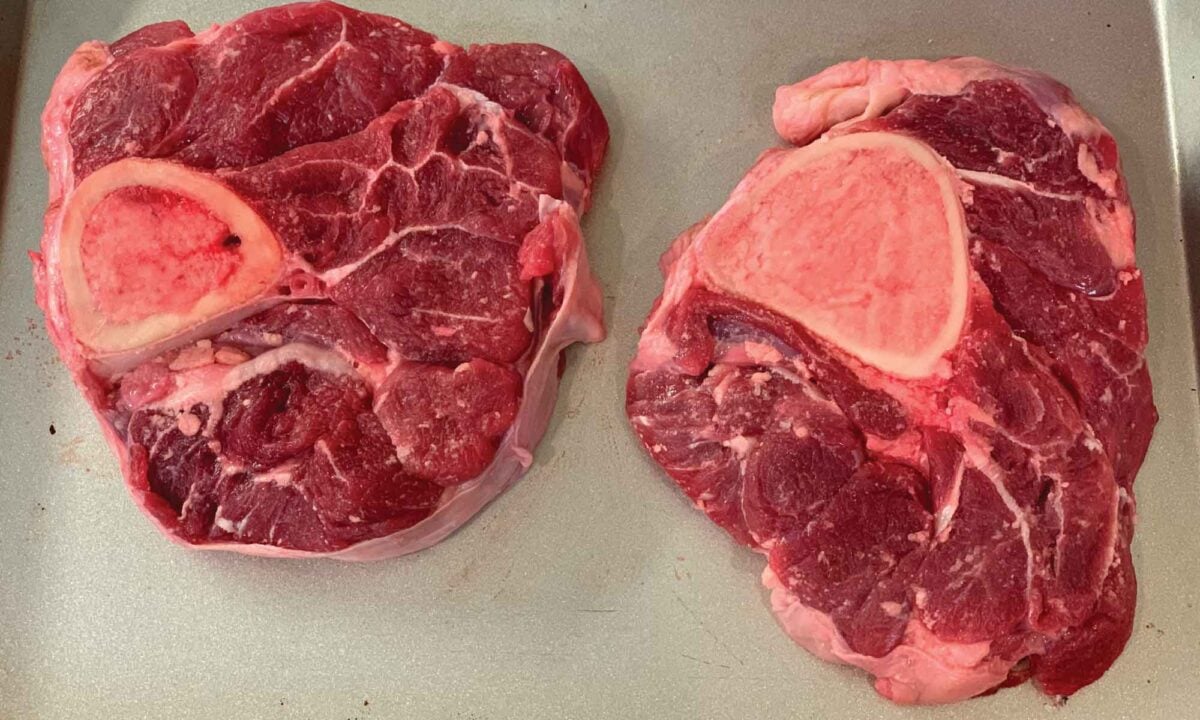
Beef shanks are slices of the leg that contain a round marrow bone surrounded by meat. You may also see this cut labeled osso buco.
Shanks bring both flavor and substance to the broth pot. Once the meat becomes tender, you can remove it from the bone and save it for soup, stew, tacos, sandwiches, or another meal. This allows one ingredient to do double duty—flavoring your broth while also providing meat for the table.
Bison Soup Bones
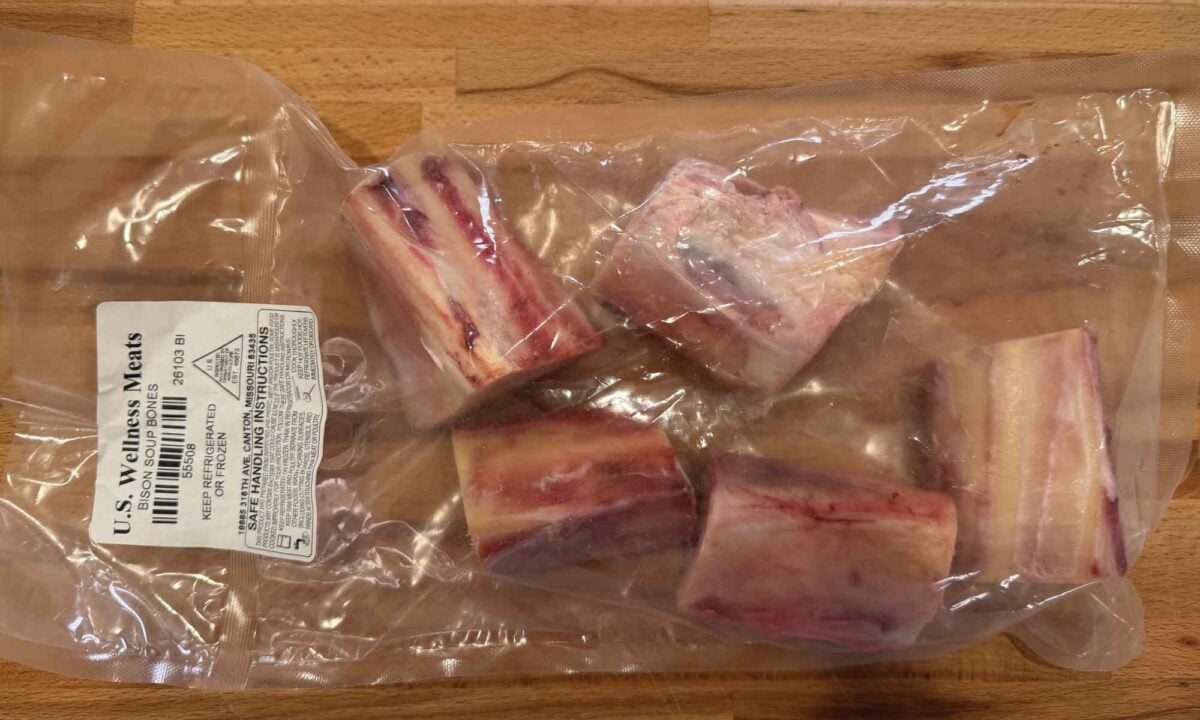
I am also excited to show you bison soup bones in this unboxing. Soup bones can include a useful mixture of bone, cartilage, connective tissue, fat, and bits of meat, depending on how they are cut.
Bison bones offer an opportunity to make a rich broth with a slightly different flavor from traditional beef bone broth. Prepare them as you would beef bones, adjusting the combination based on how much marrow, meat, and cartilage you see in the package.
Other Bones to Look For
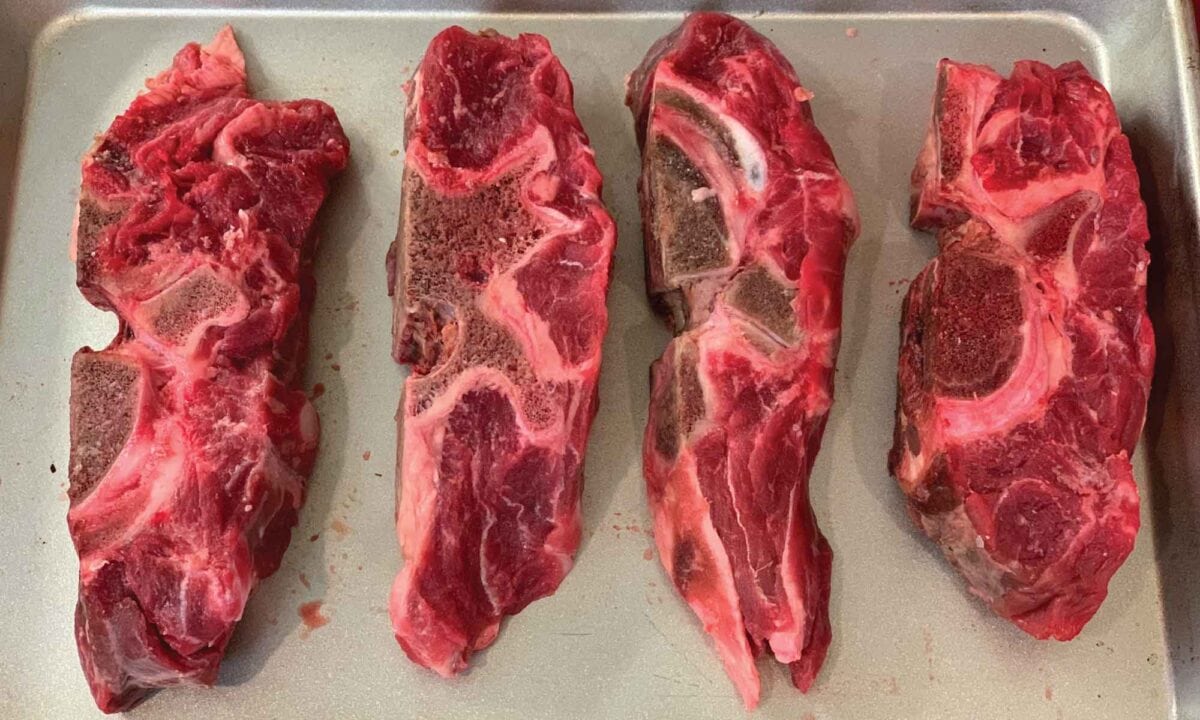
Neck bones are another favorite of mine because they often provide a little bit of everything: bone, cartilage, connective tissue, fat, and flavorful meat. They can also be a good substitute when oxtails, shanks, or other specialty bones are unavailable or too costly.
If you shop at a local grocery store, farm, or butcher counter, ask about soup bones. The label may not identify the exact bone, but you can often spot pieces with marrow, cartilage, or small amounts of meat. Once you understand what each component contributes, you will be able to put together a good broth-making assortment with confidence.
Try the New Bone Broth Seasoning Mix
US Wellness Meats now offers a Bone Broth Seasoning Mix that makes it especially easy to get a pot of broth underway. Just add bones, water, a little vinegar, and the seasoning mix, following the directions on the package for your preferred cooking method.
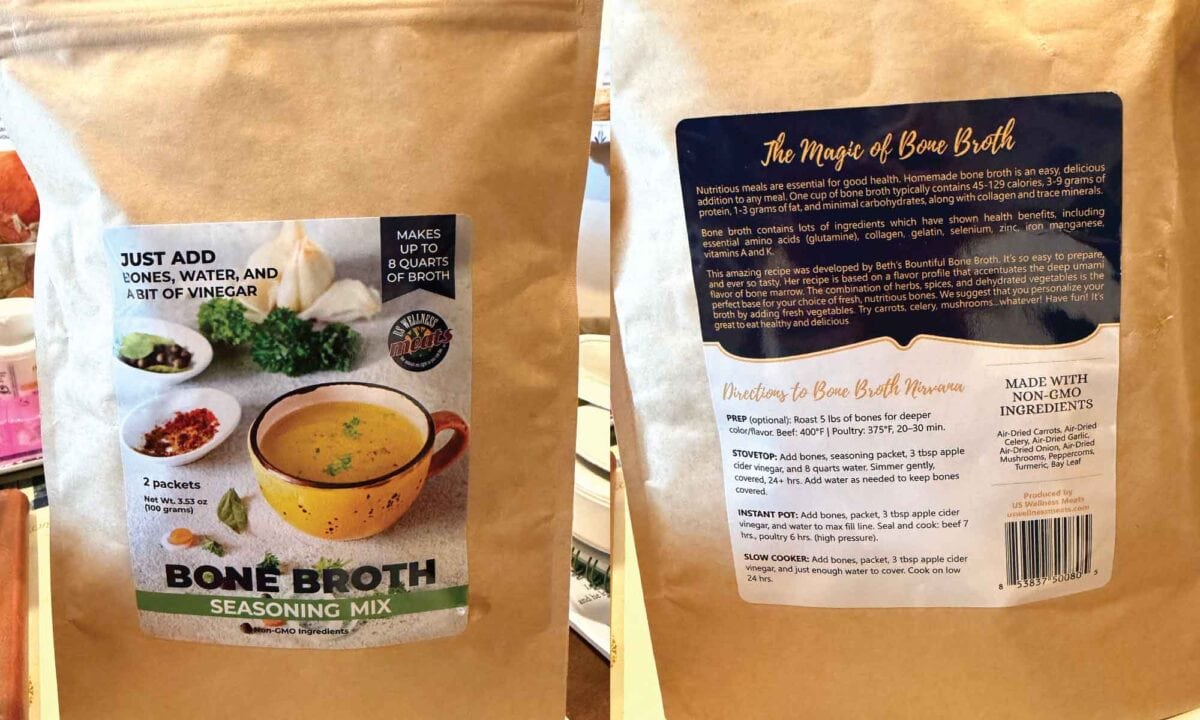
The mix contains non-GMO ingredients, including:
- Air-dried carrots
- Air-dried celery
- Air-dried garlic
- Air-dried onion
- Air-dried mushrooms
- Peppercorns
- Turmeric
- Bay leaf
The package contains two seasoning packets and makes up to eight quarts of broth each. You can use the blend as your flavor foundation or personalize your broth by adding fresh vegetables and herbs from your refrigerator, pantry, or garden.
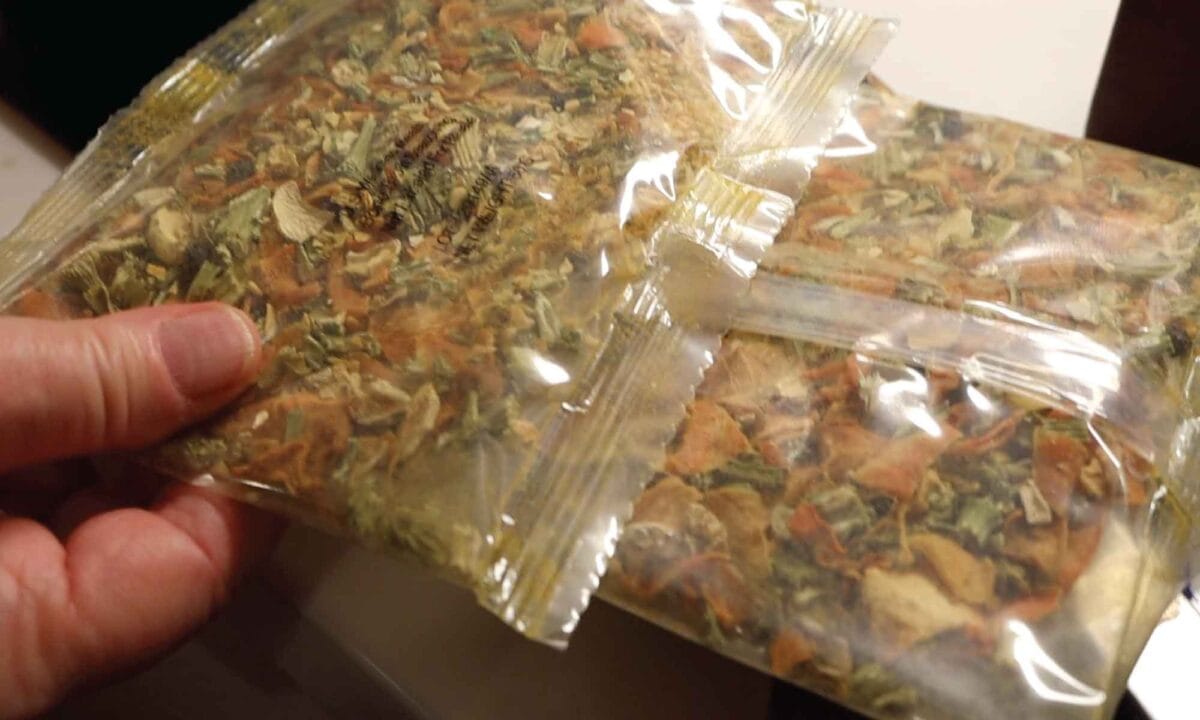
This mix can be particularly useful for beginners who are unsure what to add to their first pot. It is also a welcome convenience for experienced cooks on busy days when we want homemade broth simmering without gathering and measuring many separate ingredients.
How to Build a Balanced Bone Broth
Rather than searching for one perfect bone, think about assembling a balanced mixture. Aim to include:
- Marrow bones for richness
- Meaty bones for deeper flavor
- Cartilage-rich joint bones for gelatin
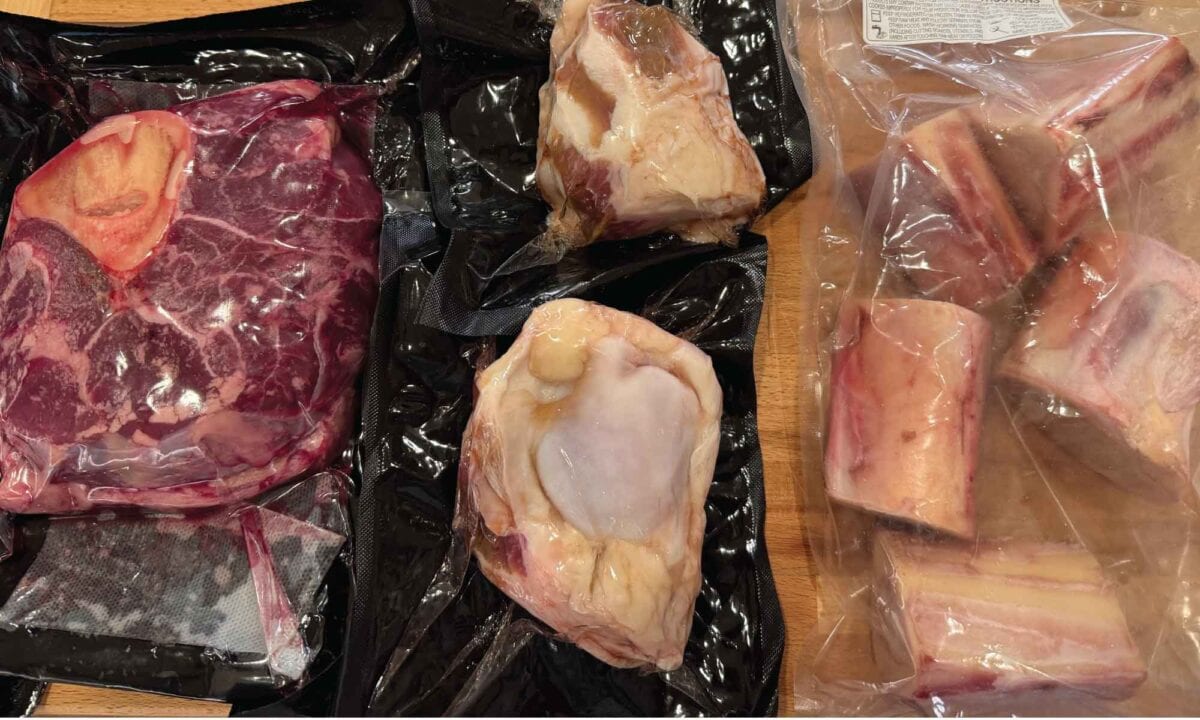
For example, you might combine a few marrow bones with a knuckle or patella bone and several pieces of oxtail. Another economical combination might include marrow bones, neck bones, and one cartilage-rich joint bone. If you have a beef shank, it can provide both marrow and meat.
The exact combination is flexible. Use what you can find, what fits your budget, and what will fit comfortably in your cooking vessel.
Roast the Bones for Deeper Flavor
Roasting meaty beef or bison bones before simmering them encourages browning and gives the finished broth a deeper color and roasted flavor. After roasting, be sure to loosen the flavorful browned bits from the pan with a little hot water, then add those juices to your broth pot.
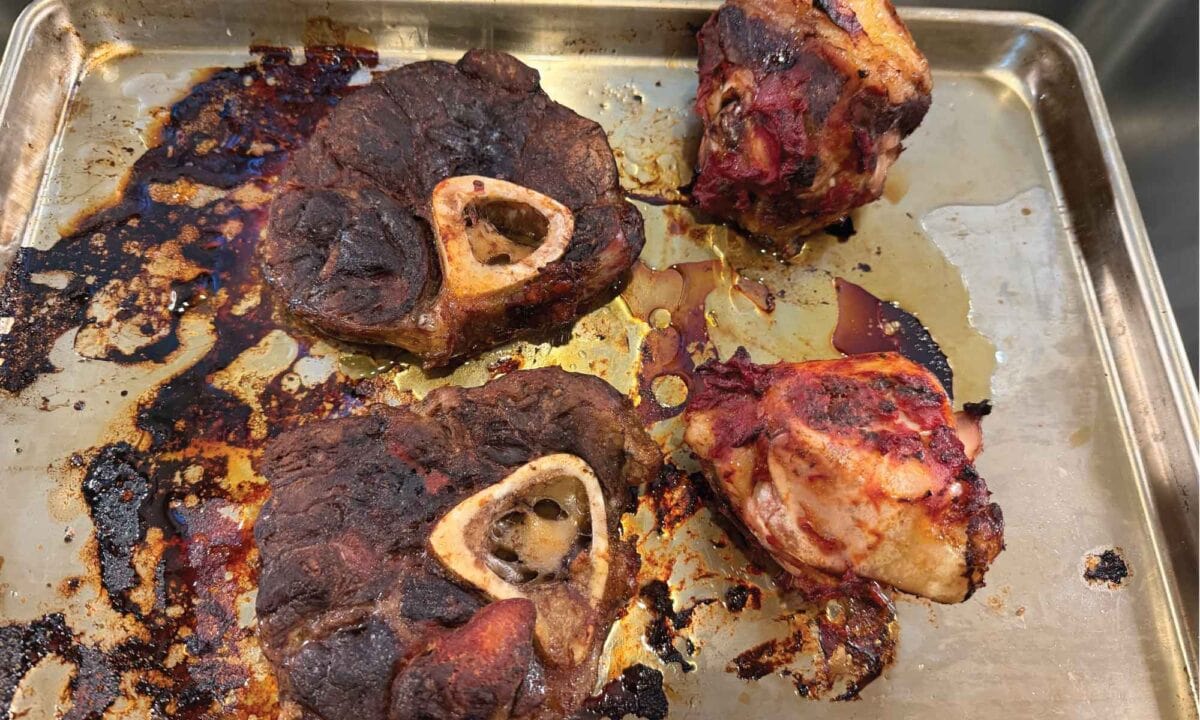
Marrow bones can also be roasted, although I sometimes soak them first in acidulated water when following my traditional beef bone broth method. Your preferred recipe and cooking method will guide the exact preparation.
Add a Small Amount of Acid
A splash of wine, fortified wine, or apple cider vinegar is traditionally added to the water when making bone broth. You can also use a bit of citrus juice. You do not need a large quantity; the goal is not to create a sour-tasting broth. When using the US Wellness Meats Bone Broth Seasoning Mix, follow the package directions for the recommended amount.
Cook the Broth Low and Slow
Bone broth benefits from a long, gentle cooking time. Depending on the recipe, you can use a stockpot, slow cooker, or electric pressure cooker. Each method has its advantages, and I have tutorials to walk you through the process.
Keep in mind that a hard, aggressive boil can make broth cloudy and may affect its flavor. When using a stockpot or slow cooker, a gentle simmer is all that is needed.
Can You Reuse Beef Bones?
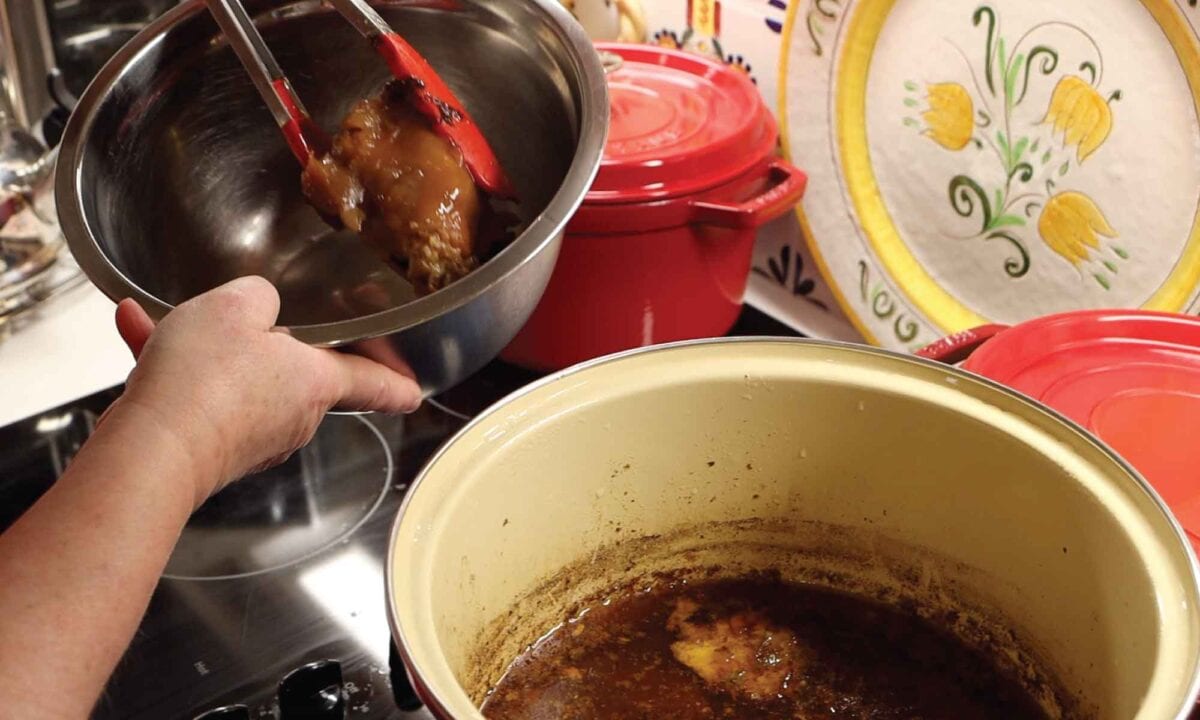
Yes! Many beef bones can be used to make more than one batch of broth. I can often make at least three batches from one collection of bones.
The first batch will generally be the richest, while later batches become progressively lighter. After straining a batch, you can refrigerate or freeze the bones promptly until you are ready to use them again. Continue reusing them while they still contribute flavor and body, always handling and storing them safely.
This practice makes good-quality bones more affordable and helps us extract as much value as possible from every purchase. When the bones finally crumble easily and no longer give the broth much flavor, they have done their job.
Why Make Homemade Bone Broth?
Homemade bone broth is a traditional food that transforms humble ingredients into something flavorful, versatile, and comforting. Depending on the bones, the proportions, and the cooking method, bone broth can provide protein, amino acids, gelatin, and varying amounts of naturally occurring minerals.
Gelatin Gives Broth Its Body
When collagen from cartilage and connective tissue breaks down during cooking, it becomes gelatin. That gelatin gives chilled bone broth its familiar jiggle and provides a smooth, satisfying texture when the broth is warmed.
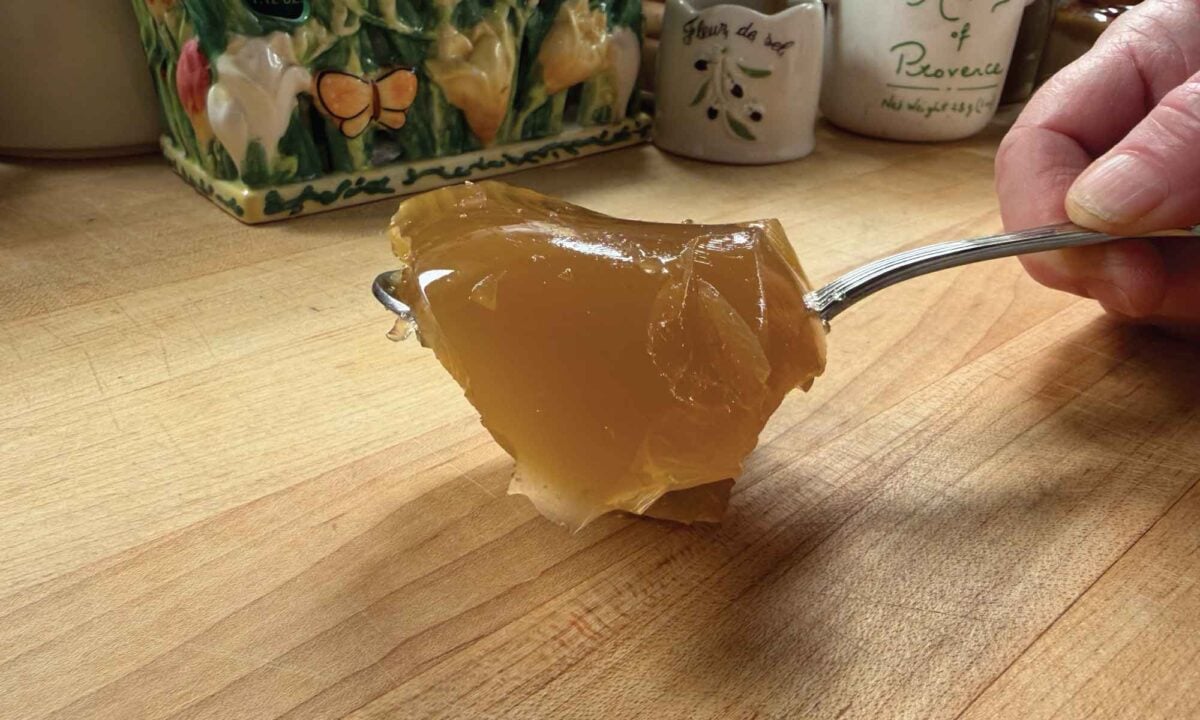
If your broth does not gel, however, do not assume that you have failed. It can still be flavorful and useful. The amount of gelatin varies according to the types of bones used, the ratio of bones to water, and the cooking time.
Bone Broth Provides Useful Amino Acids
The protein and gelatin in bone broth contain amino acids, including glycine and proline. Our bodies use amino acids as building blocks for proteins. The precise protein and amino acid content of homemade broth will vary from batch to batch, but broth can make a lovely addition to a varied, balanced diet.
Comforting and Hydrating
A warm mug of broth is comforting, especially during cooler weather or whenever you want something light and savory. Because broth is primarily liquid, it also contributes to daily fluid intake. You can enjoy it plain or add vegetables, meat, grains, beans, or lentils to turn it into a more substantial meal.
Adds Flavor to Everyday Foods
Bone broth is useful for far more than soup. Use it in place of water when cooking rice, barley, lentils, beans, or savory grains. It can also serve as the starting point for stews, sauces, gravies, braising liquids, and casseroles.
Helps Us Waste Less
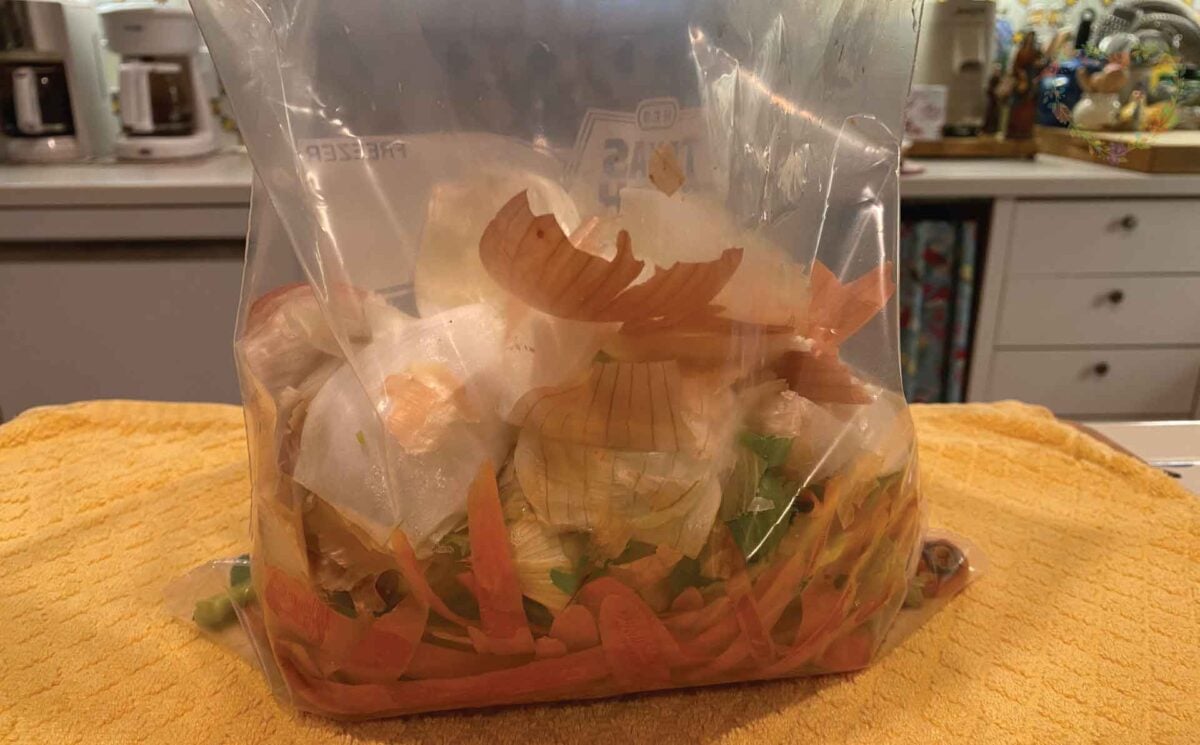
One of the greatest benefits of broth-making is its thrift. Bones, cartilage, vegetable trimmings, and small bits of meat that might otherwise be discarded can become the foundation of future meals. Bone broth is a beautiful example of the traditional kitchen principle of making the most of everything we have.
Before We Called It Bone Broth, It Was Simply Broth
Long before the term “bone broth” became popular, my mother simply called it broth.
Saving Every Bone for Another Meal
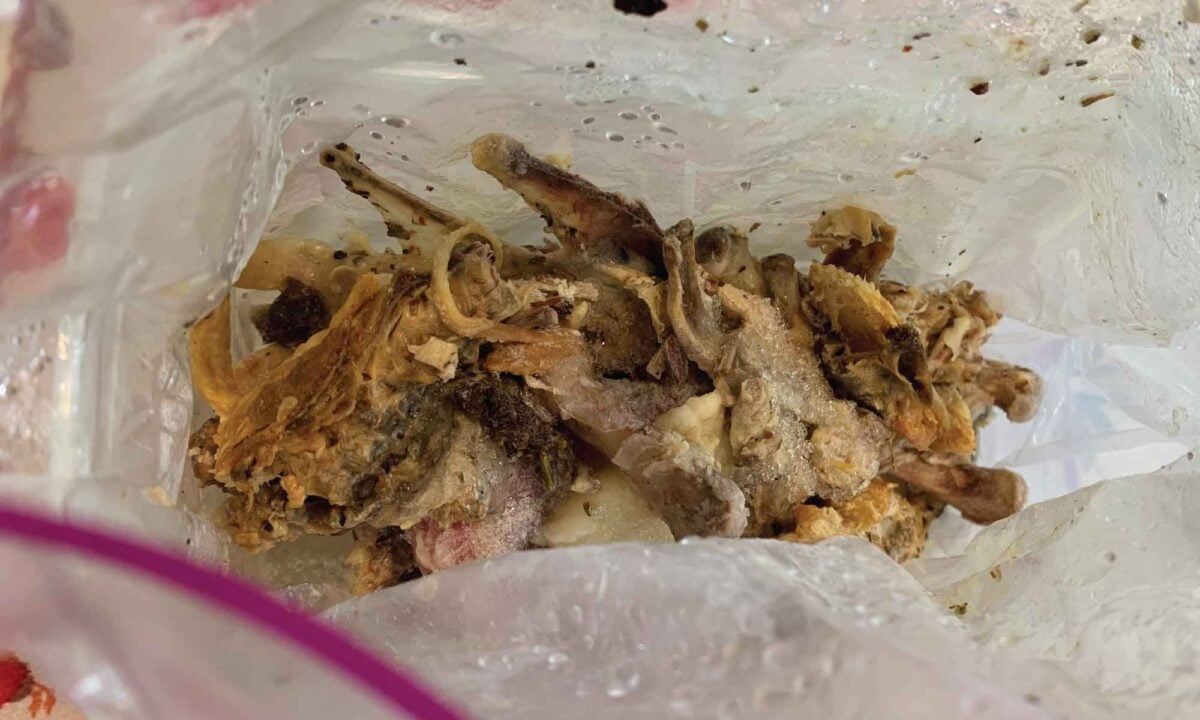
More than 50 years ago, meat was commonly sold bone-in. Whenever my mother cooked a piece of meat, she saved every single bone. She never saw those bones as scraps to be thrown away. She saw the beginnings of another meal.
She would carefully tuck the bones into the refrigerator or freezer until she had enough to fill her stockpot. And after we enjoyed a roast chicken, she always saved the carcass. With water, time, and perhaps a few vegetables or trimmings, that chicken carcass became a flavorful broth for soups, stews, gravies, and countless family meals.
The Timeless Wisdom of Homemade Broth
My mother may not have spoken about collagen, gelatin, and amino acids using the language we often hear today, but she understood that homemade broth was nourishing, economical, and comforting. She also understood something that traditional cooks have known for generations: Good food does not always begin with expensive ingredients. Sometimes it begins with what another cook might overlook.
As her broth gently simmered, it filled our home with the most wonderful aroma. That fragrance signaled that another wholesome meal was on its way, created from ingredients she had patiently saved rather than wasted. I think of my mother so often when I make broth in my own kitchen.
Carrying the Tradition Forward
Today, we can order specialty bones and use convenient seasoning blends, but the heart of broth-making has not changed. We are still following in the footsteps of generations of resourceful home cooks who knew how to transform simple ingredients into something delicious.
Every pot of broth connects me with my mother’s kitchen and reminds me of the wisdom she passed down to me. And now, it is a joy to pass that same tradition on to you.
Learn How to Make Every Type of Bone Broth
If you have been with me for a while, you know I have many detailed videos and recipes showing you how to prepare a variety of broths and bone broths.
Whether you want to make beef bone broth, chicken bone broth, turkey bone broth, fish bone broth, or a quick and simple broth, I will take you through the process step by step. You will also find help choosing ingredients, getting your broth to gel, using different cooking methods, and troubleshooting common questions.
Bone Broth Recipes and Tutorials
Can You Make the Best Homemade Bone Broth?
Learn how to make rich, gelatinous, homemade bone broth, save money by reusing bones, and enjoy a flavorful Keto variation.
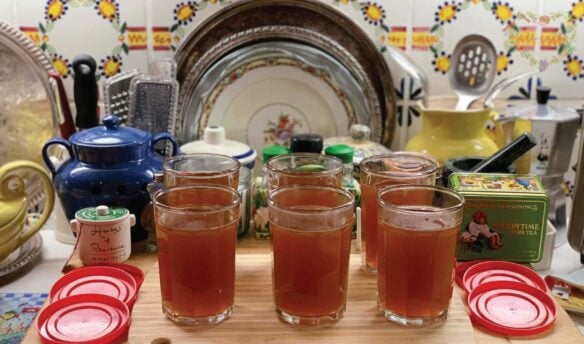
Frequently Asked Questions About Homemade Bone Broth
Get answers to common bone broth questions, including reusing bones, achieving a good gel, saving money, and choosing the best cooking method.

How to Guarantee Your Bone Broth Gels: 3 Essential Tips for Success
Learn essential tips to make rich, gelatinous beef bone broth, plus a bonus tip for better flavor, texture, and nourishment.
US Wellness Meats Discount Code
If you’re looking for the bones in my unboxing video and more products from US Wellness Meats, you can find them here.
- Use discount code MARYNEST and my link for a one-time 15% savings off regular-priced items on your US Wellness Meats order. You can shop for a variety of products, including:
Order YOUR COPY Now!
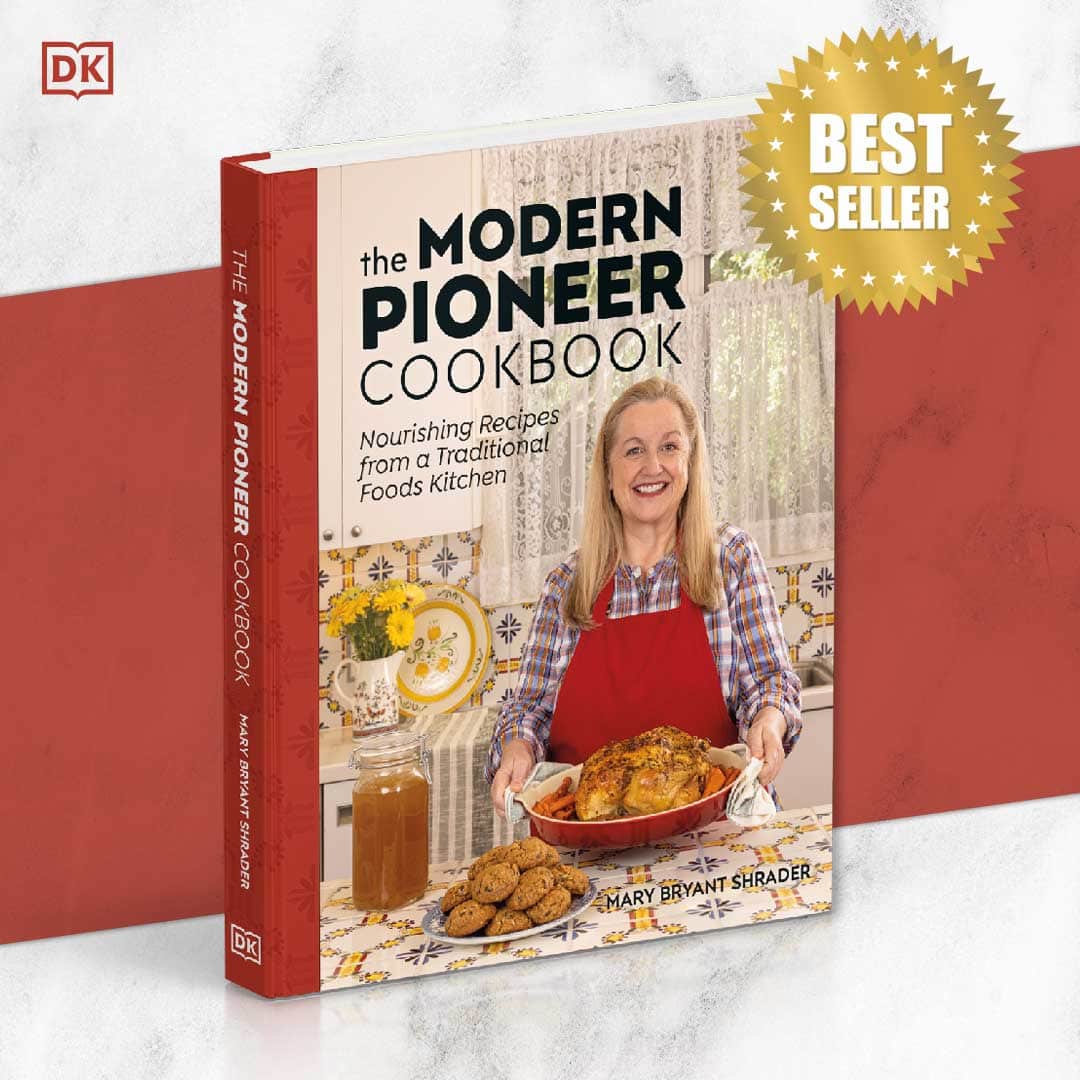
The Modern Pioneer Cookbook
Seasonal ingredients, traditional techniques, and nourishing recipes. Over 85 traditional, from-scratch recipes! Discover for yourself how you can use simple ingredients and traditional techniques to cook the modern pioneer way.

Order YOUR COPY Now!
The Modern Pioneer Pantry
Simple ingredients, timeless techniques, and a well-stocked pantry. Discover over 100 nourishing recipes to preserve food and turn pantry staples into homemade meals. Build a wholesome, traditional pantry—just like a modern pioneer!
Start Your Traditional Foods Journey
Sharing my passion for traditional cooking goes beyond my YouTube cooking school—it also comes to life in the pages of my cookbooks. Both of my books, The Modern Pioneer Cookbook and The Modern Pioneer Pantry, are proudly published by Penguin Random House.
The first is filled with time-honored recipes to help you create a traditional foods kitchen, while the second is your complete guide to home food preservation. Order both books today to start or continue your traditional foods journey.
Download Your Free 36-Page Pantry List
For an extensive list of the traditional foods you can make and purchase to stock your pantry, be sure to download my free 36-page Traditional Foods Pantry List. This comprehensive eBook is full of links to recipe videos, helpful articles, and more!

Join the Traditional Foods Kitchen Academy
Are you looking for more traditional foods videos? If so, I invite you to join the Traditional Foods Kitchen Academy. Members of this optional paid YouTube community get access to exclusive videos and other members-only perks. Plus, your YouTube comments include a special members-only badge.
Kitchen Academy Videos

How to Mix Whole Grains for a Warm and Nourishing Porridge
Learn to mix oat groats, barley, and other whole grains for a warm, nourishing porridge with easy make-ahead tips and tasty toppings.

How Much of Each Natural Remedy Should You Make?
Use your family’s needs, past experience, and seasonal habits to decide how much to prepare for your Healing Pantry.

Baking Questions Answered with Ted and Mary!
Join me and my husband Ted for a Q&A filled with practical kitchen tips, helpful techniques, and answers to your baking questions.
Stay in Touch with Mary’s Nest
- Subscribe to My YouTube Channel for Traditional Foods Videos (Free) - When you subscribe, be sure to click on the notification bell that will let you know each time I upload a new video.
- Subscribe to Mary’s Traditional Foods Newsletter (Free) - Get a free 36-page eBook for signing up: How to Stock Your Essential Traditional Foods Four-Corners Pantry.
- Join the Traditional Foods Kitchen Academy - For more detailed videos and exclusive members-only perks, join my YouTube membership community.
- Order The Modern Pioneer Cookbook - Get a hardcover book of Mary's nourishing recipes from a Traditional Foods Kitchen. This bestselling cookbook is published by Penguin Random House with their DK imprint.
- Order The Modern Pioneer Pantry - Get Mary's latest hardcover cookbook about preserving food and making delicious meals from your Four Corners Pantry. Mary's second cookbook is also published by Penguin Random House.
I look forward to having you join me in my Texas Hill Country Kitchen!
Shop for My Favorite Items
Favorite Bones for Bone Broth
Favorite Kitchen Supplies
- Favorite Aprons
- Spice Grinder
- Countertop Burner (On my kitchen island in many recipe videos.)
- Handheld Vacuum Sealing System
- Vacuum Lids
- Whisk
- Silica Gel Packets (Helps keep moisture from building up in your mix)
- Cast Iron Dutch Oven
- 8-Quart Slow-Cooker
- Fat Separator (Clever kitchen device to help you decant bone broth)
- Flour Sack Towels
- pH Strips (Helps you check on the acidity of your vinegar)
Amazon Shop and Shopping Guide
- Visit Mary’s Nest Amazon Shop
- Get a 30-day Audible trial with a free audiobook
- Visit my Shopping Guide page
Get up to 15% off for stocking your Traditional Foods Pantry and equipping your Modern Pioneer Kitchen, including discounts from US Wellness Meats, Farmhouse Teas, Backwoods Home, Masontops, Cultures for Health, Survival Garden Seeds, Redmond Real Salt, and More!

Mary, I think I remember a sour dough on one of your shows one time that you did not need to feed every day. I live alone and don’t need and abundance of bread. Do I remember wrong. I need the easiest recipe there is since I have never made bread. Thank you for all you do to help others eat well.
Hi Brenda,
Thanks for your comment. Here’s a blog post and video that I have on sourdough starter maintenance that may help you: “How to Maintain a Sourdough Starter with No Feedings and No Discards” at https://marysnest.com/how-to-maintain-a-sourdough-starter-with-no-feedings-and-no-discards/
However, if you’ve never made bread before, I’d encourage you to start with my “No Knead Sandwich Bread – Super Soft!” recipe at https://marysnest.com/no-knead-sandwich-bread/ . Once you’ve had success with your homemade bread (an early congratulations!), then you can try the “The Busy Mother’s Sourdough Secret” recipe at https://marysnest.com/the-busy-mothers-sourdough-secret/, which will make it easier for you to start making sourdough bread.
I hope these resources help you!
Thank you for being on this traditional foods journey with me!
Love and God bless,
Mary
Mary, how do you clean your sack towels after using it to strain things such as bone broth? I don’t like the thaught of any garbage going into my drains and washer. Thank you.
Susan
Hi Susan,
I first remove any large debris from my used flour sack towels and place the debris in the garbage. Next, I wash my used towels in the sink to remove any debris. (You could wash them outside with a hose if you’re concerned about little bits going down your pipes.) Afterward, I wash them with bleach in my washing machine. That helps them come out clean and sanitized for my next bone broth batch!
Thanks for your comment and for being on this traditional foods journey with me!
Love and God bless,
Mary