If you would like to incorporate more whole grains into your traditional foods kitchen but aren’t quite sure where to begin, a warm bowl of porridge is one of the easiest—and most delicious—places to start.
In today’s member video, I’m combining whole oat groats with whole hulled barley to make a simple, hearty porridge. This comforting breakfast is especially welcome as the weather begins to cool, but you can enjoy it any time of year.

These conversational vodcasts are available to the Kitchen Pioneers who have joined my YouTube membership community—The Traditional Foods Kitchen Academy.
Affiliates note: As an Amazon Associate I earn from qualifying purchases. My content may contain affiliate links to products and services. If you click through and make a purchase, I’ll receive a small commission. It does not affect the price you pay.
Table of Contents
- Whole Grain Porridge Is the Perfect Place to Start
- Begin with Whole Oat Groats
- Add Whole Hulled Barley
- Create Your Own Whole-Grain Combinations
- Explore Millet, Buckwheat, and Other Options
- More Gluten-Free Posts
- Make the Transition Gradually
- Soaking Whole Grains
- Cook Once and Enjoy Porridge Throughout the Week
- Add Your Favorite Porridge Toppings
- Keep a Porridge Blend in Your Pantry
- An Easy Step into the World of Whole Grains
- Grand Teton Ancient Grains
- Grind Your Own Flour with the Mockmill
- The Modern Pioneer Cookbook
- The Modern Pioneer Pantry
- Traditional Foods Kitchen Academy
- Join the Traditional Foods Kitchen Academy
- Kitchen Academy Videos
- Shop for Items Used in This Blog Post or Video
Whole Grain Porridge Is the Perfect Place to Start
Whole grains can sometimes seem intimidating when you are first learning how to cook with them. You may not yet be ready to serve a bowl of whole hulled barley as a side dish, and that’s perfectly fine!
You may also be interested in baking with freshly milled whole-grain flour but haven’t purchased a grain mill yet. Fortunately, you don’t need any special equipment to begin adding whole grains to your meals.
Making porridge allows you to cook the grains in their whole form, creating a soft and comforting breakfast that is easy to customize with your favorite toppings. It’s a gentle and approachable way to become familiar with the flavor and texture of different grains.Making porridge allows you to cook the grains in their whole form, creating a soft and comforting breakfast that is easy to customize with your favorite toppings. It’s a gentle and approachable way to become familiar with the flavor and texture of different grains.
Begin with Whole Oat Groats
When I make a mixed-grain porridge, I generally like to include whole oat groats as my starting point.
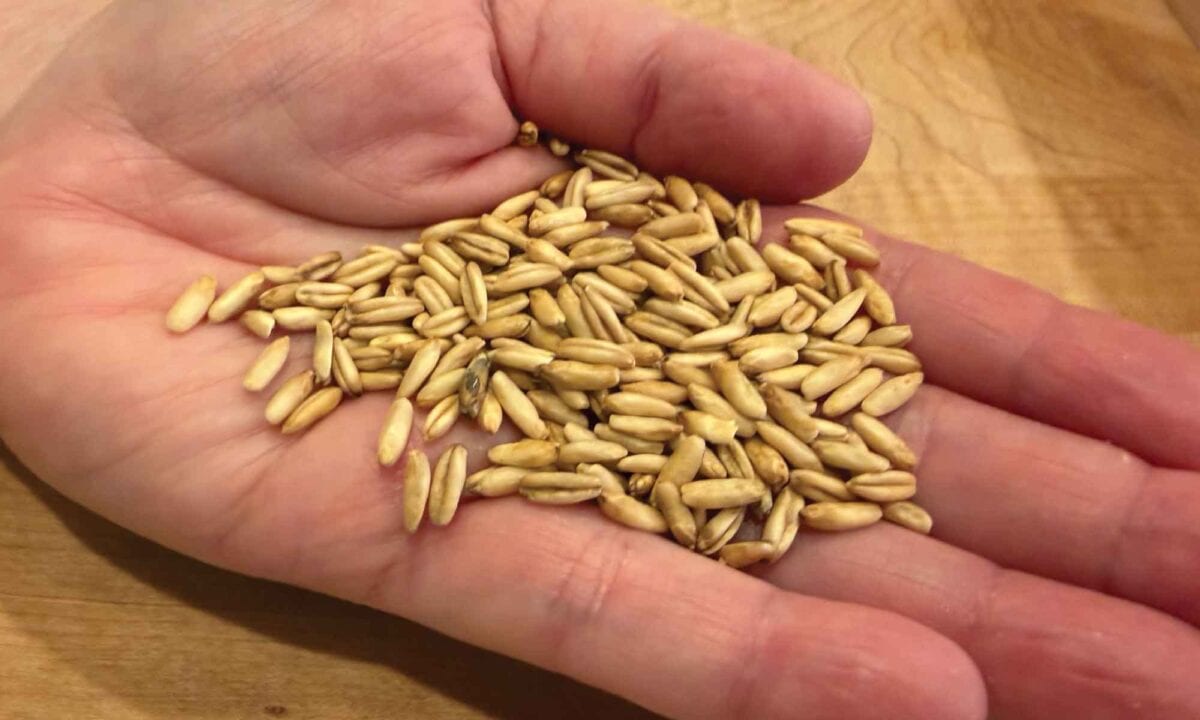
Oat groats are the whole oat kernel with only the inedible outer hull removed. Unlike rolled oats or steel-cut oats, oat groats have not been flattened or cut into smaller pieces. Once cooked, they develop a pleasantly chewy texture and a mild flavor that pairs beautifully with other grains.
If you are transitioning from a breakfast made with rolled oats, including oat groats in your porridge offers a familiar flavor while introducing you to the heartier texture of intact whole grains.
Add Whole Hulled Barley
In my member video, I combine my oat groats with whole hulled barley.
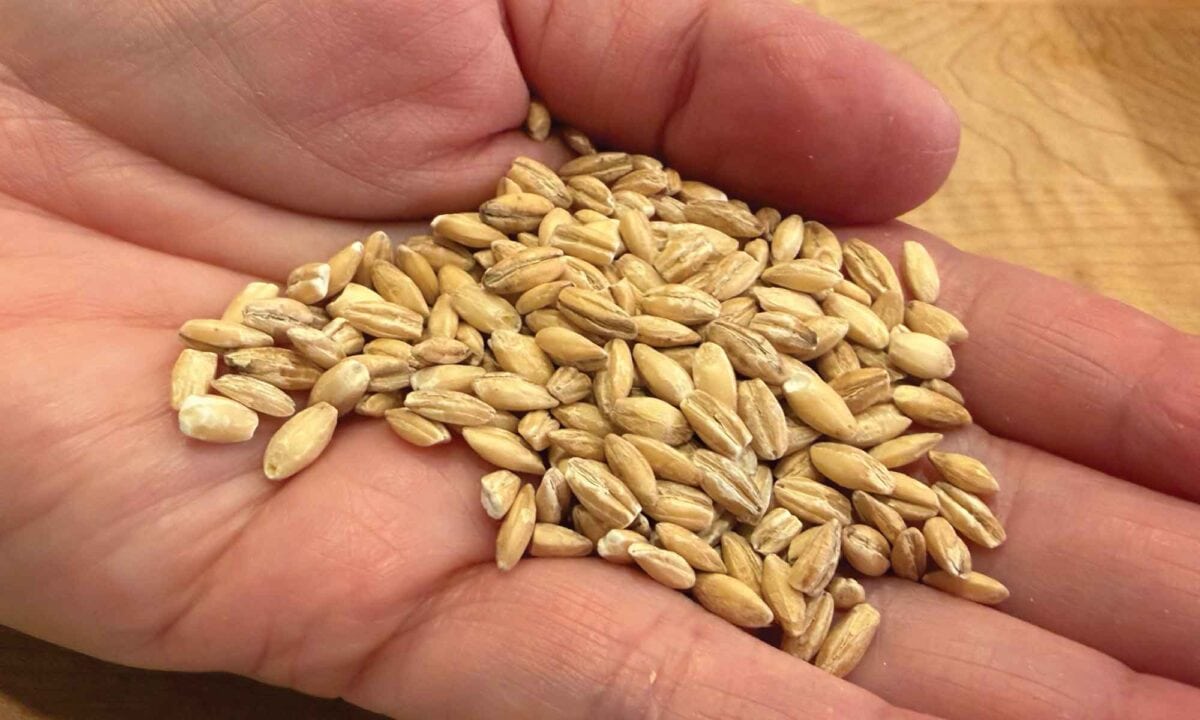
Be sure to look for hulled barley rather than pearled barley. Hulled barley has had the tough, inedible outer hull removed, but it retains its bran and germ. Pearled barley has been polished to remove some—or sometimes much—of the bran.
Whole hulled barley brings a pleasantly chewy texture and a slightly nutty flavor to porridge. When cooked together, the oats and barley create a satisfying breakfast that is warm, filling, and wonderfully old-fashioned.
Create Your Own Whole-Grain Combinations
Once you become comfortable making porridge with oat groats and hulled barley, you can begin experimenting with other combinations.
Although I generally like to keep oats as part of the mixture, I can rotate out the barley and replace it with another whole grain. Some excellent possibilities include:
- Einkorn berries
- Emmer berries, also known as farro
- Spelt berries
- Hard red wheat berries
- Hard white wheat berries
- Soft white wheat berries
- Whole rye berries
Each grain contributes its own flavor and texture. Einkorn has a rich, slightly sweet taste, while emmer and spelt bring a pleasant nuttiness. Modern wheat berries tend to be hearty and chewy, and rye adds a distinctive earthy flavor.
You can use one additional grain with your oat groats or create a blend of several grains. Start simply, taste each combination, and discover what you and your family enjoy most.
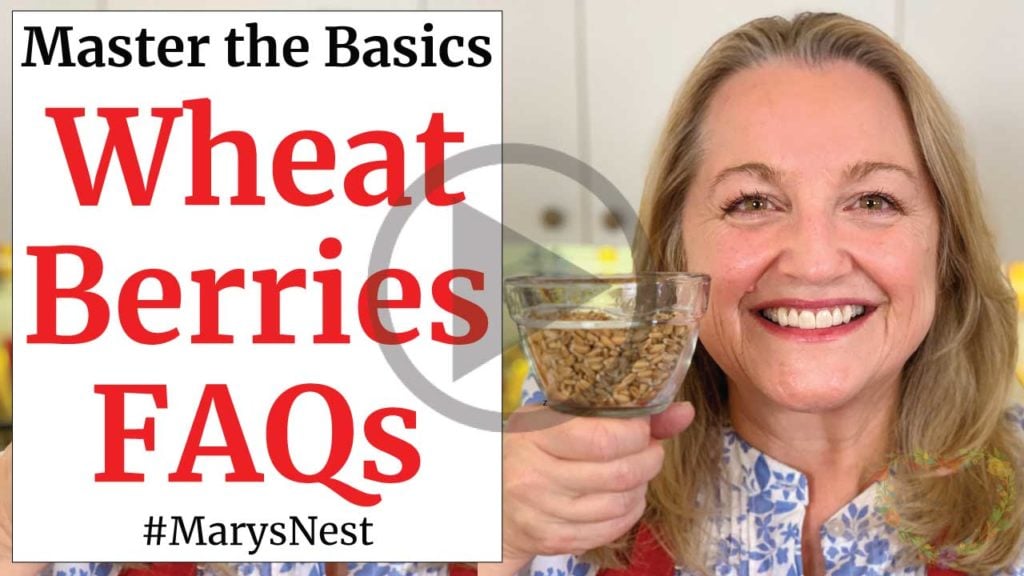
- Learn more: Wheat Berries FAQ about Einkorn, Spelt, and More
Explore Millet, Buckwheat, and Other Options
You can expand your porridge combinations even further by experimenting with grains and grain-like seeds that may be less familiar.
Millet has a mild flavor and can contribute a softer texture to your porridge. Buckwheat, despite its name, is not a type of wheat. It has a distinctive earthy flavor that pairs especially well with warm spices, fruit, and maple syrup.
Both millet and buckwheat are naturally gluten-free. However, if you need to avoid gluten for medical reasons, remember that combining them with wheat, barley, rye, spelt, einkorn, emmer, or regular oat groats (that are not guaranteed to be completely gluten-free) will not create a gluten-free porridge.
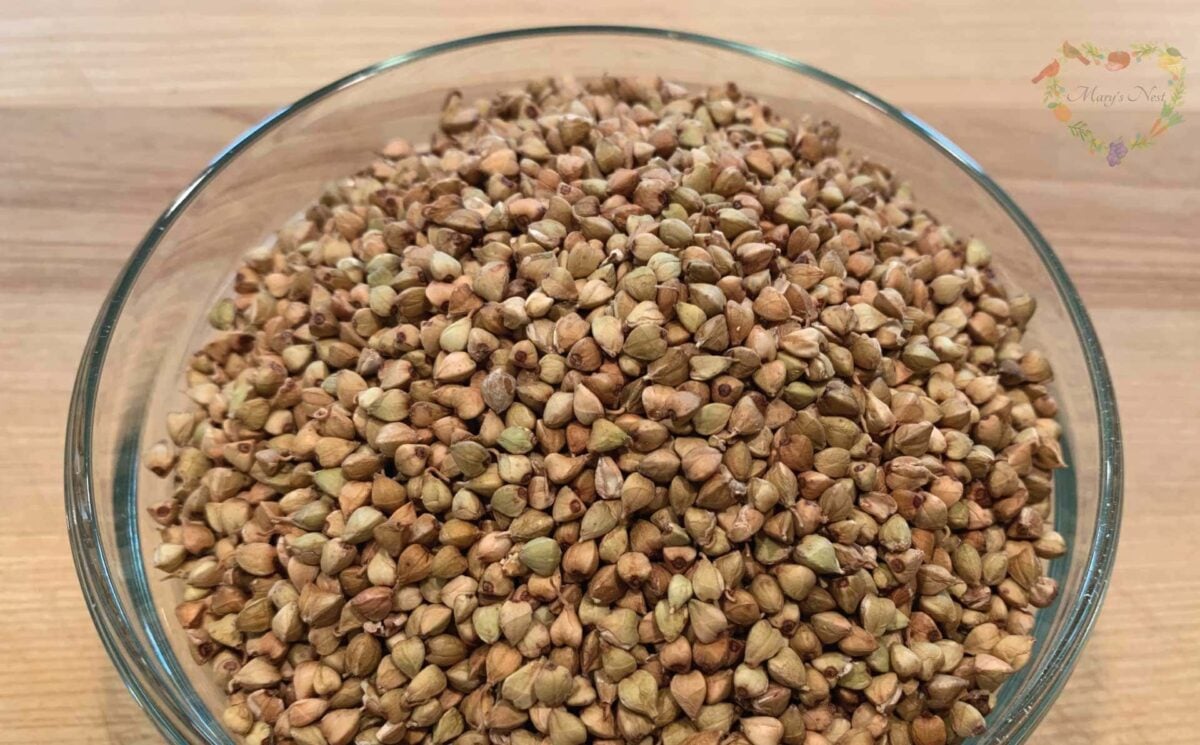
If you want to make a gluten-free porridge with oats, you will want to choose oats specifically labeled gluten-free to help avoid cross-contact during growing and processing.
You can learn more about buckwheat and other options in my Two Texans Taste Popular and Traditional Eastern European Foods video and blog post.
Other possibilities for your porridge experiments include:
- Brown rice
- Sorghum
- Quinoa
- Amaranth
- Teff
Keep in mind that grains vary in size, texture, and cooking time. Some combinations may cook together beautifully, while others may work best when partially cooked before being combined.
More Gluten-Free Posts
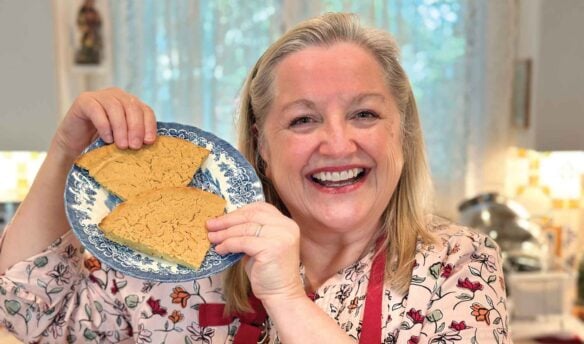
2 Ingredient Gluten-Free Bread – How to Make Socca
Enjoy Socca as a snack, an appetizer, or as a main meal, such as the base for a delicious gluten-free pizza.
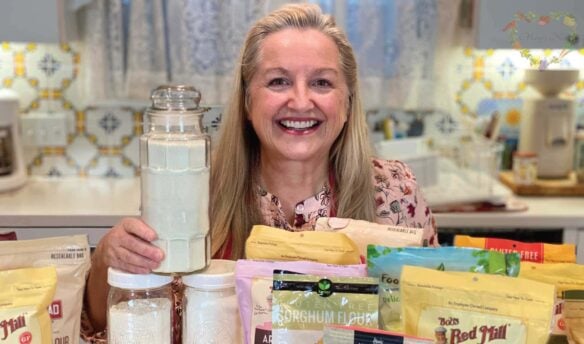
How to Make Gluten-Free Flour Mixes with Free Checklist
Simple mixes to make your gluten free baking quick and easy!
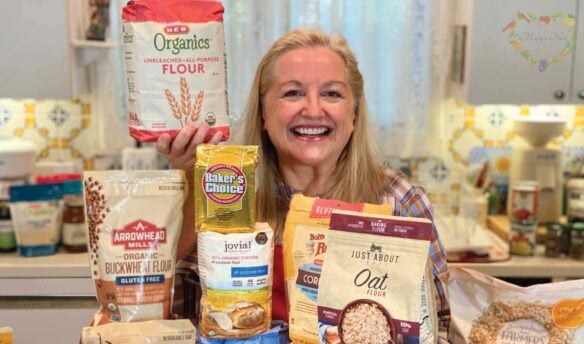
How to Stock Your Baking Pantry with the Best Ingredients
Be sure to download the free How to Stock Your Baking Pantry checklist too.
Make the Transition Gradually
If your family is accustomed to rolled oatmeal, you don’t have to make a sudden switch to a porridge made entirely with intact grains.
You can begin by adding a small amount of cooked oat groats or another cooked whole grain to your familiar oatmeal. Over time, gradually increase the amount of whole grain as everyone becomes accustomed to the new texture.
You can also start with a simple combination of two mild grains, such as oat groats and hulled barley. Once that porridge becomes a family favorite, begin experimenting with einkorn, emmer, spelt, rye, or another grain that interests you.
Traditional foods are not about changing everything overnight. We learn one technique, become comfortable with it, and then build on what we know.
Soaking Whole Grains
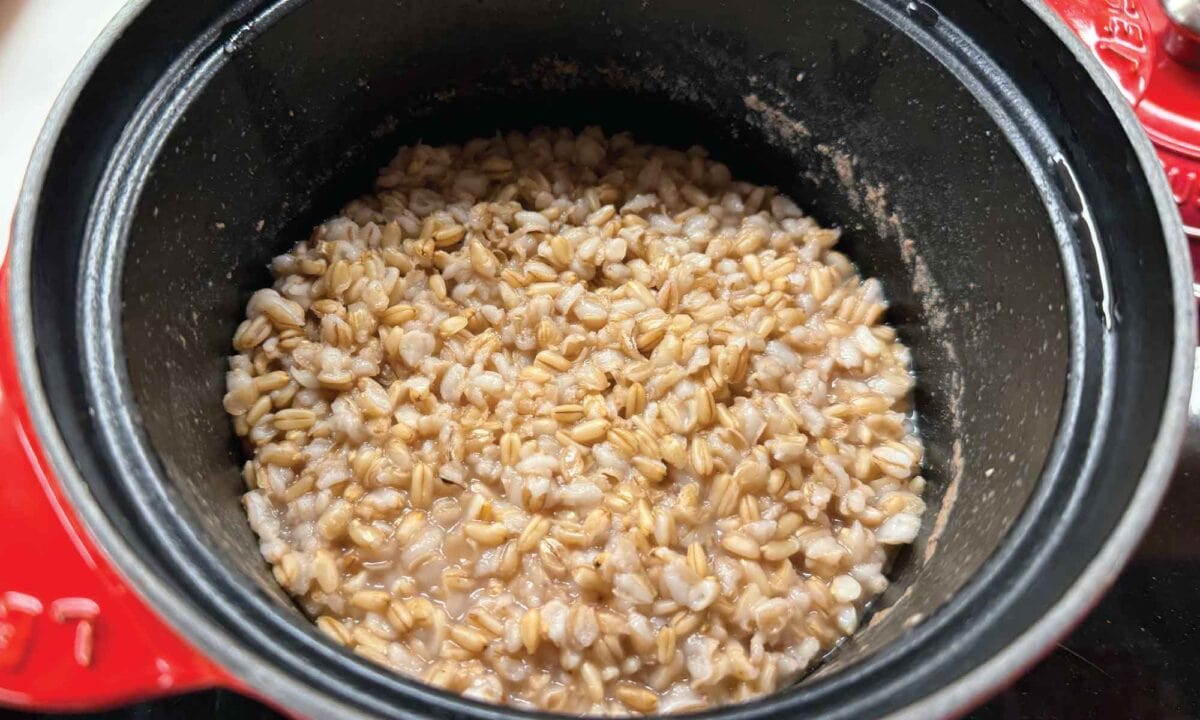
Because whole oat groats, hulled barley, and other whole grains are intact, they take longer to cook than rolled oats or other processed grains.
Soaking the grains before cooking can help soften them and may shorten their cooking time. It also gives you the opportunity to prepare everything in advance. You can put the grains on to soak in the evening and then cook your porridge the following morning.
Depending on the grains you choose, you may also be able to cook your porridge in an electric pressure cooker, slow cooker, or on the stovetop. Use the method that works best with your schedule and the particular mixture you are making.
Cook Once and Enjoy Porridge Throughout the Week
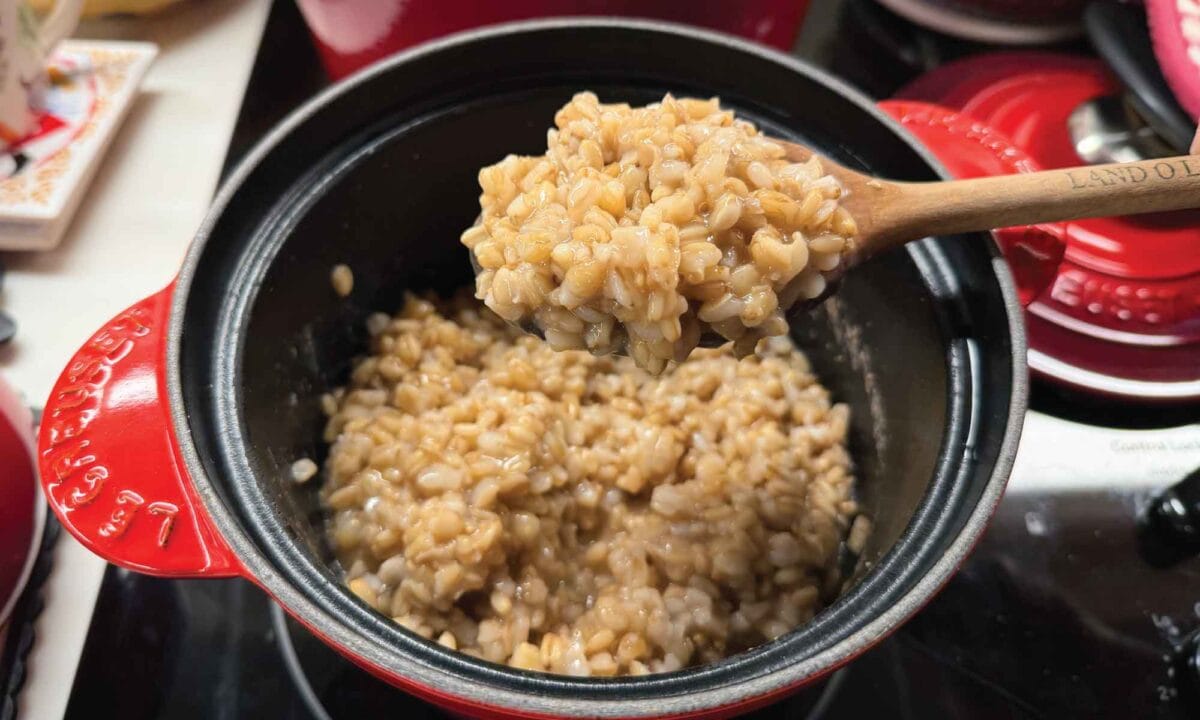
Whole-grain porridge is an excellent make-ahead breakfast. You can cook a larger batch, refrigerate it in a covered container, and reheat individual portions throughout the week. When reheating your porridge, add a little water or milk to loosen it and restore its creamy consistency.
You can also portion cooked porridge into freezer-safe containers and freeze it for longer storage. Defrost a portion in the refrigerator overnight, and breakfast will be nearly ready when you wake up.
This approach gives you all the comfort of a slowly cooked whole-grain breakfast without needing to begin from scratch every morning.
Add Your Favorite Porridge Toppings
One of the best things about a simple whole-grain porridge is that you can change the toppings with the seasons and with whatever you have on hand.
Try topping your warm porridge with:
- Fresh berries
- Sliced bananas
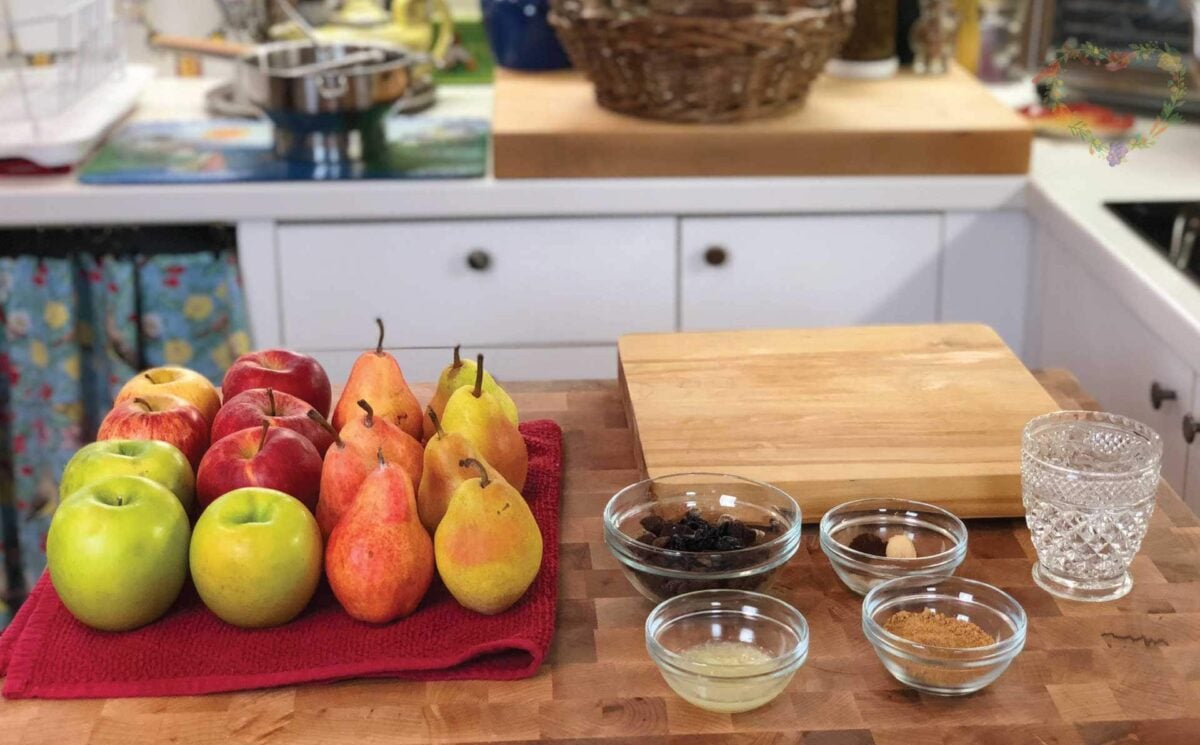
- Chopped apples or pears
- Dried fruit
- Homemade applesauce
- A warm fruit compote
- Homemade yogurt
- Whole milk or cream
- Chopped walnuts, pecans, or almonds
- Pumpkin seeds or sunflower seeds
- Ground cinnamon or freshly grated nutmeg
- A drizzle of maple syrup or honey
During the fall, applesauce, cinnamon, and chopped walnuts make a particularly cozy combination. In the summer, fresh berries and homemade yogurt create a lighter bowl while still allowing you to enjoy your whole grains.
You can also make a savory porridge by leaving out the sweet toppings and adding butter, cheese, herbs, sautéed vegetables, or a softly cooked egg.
Keep a Porridge Blend in Your Pantry
Once you discover a combination you enjoy, you can make your own whole-grain porridge blend and store it in a jar in your pantry.
For example, you might combine oat groats and hulled barley in equal portions. When you are ready to cook, simply measure out the amount you need.
As you become more adventurous, try preparing seasonal blends:
- Oat groats, barley, and rye for a hearty winter porridge
- Oat groats and einkorn for a mild, slightly sweet combination
- Oat groats, emmer, and spelt for a pleasantly nutty blend
- Oat groats and millet for a gentler, softer porridge
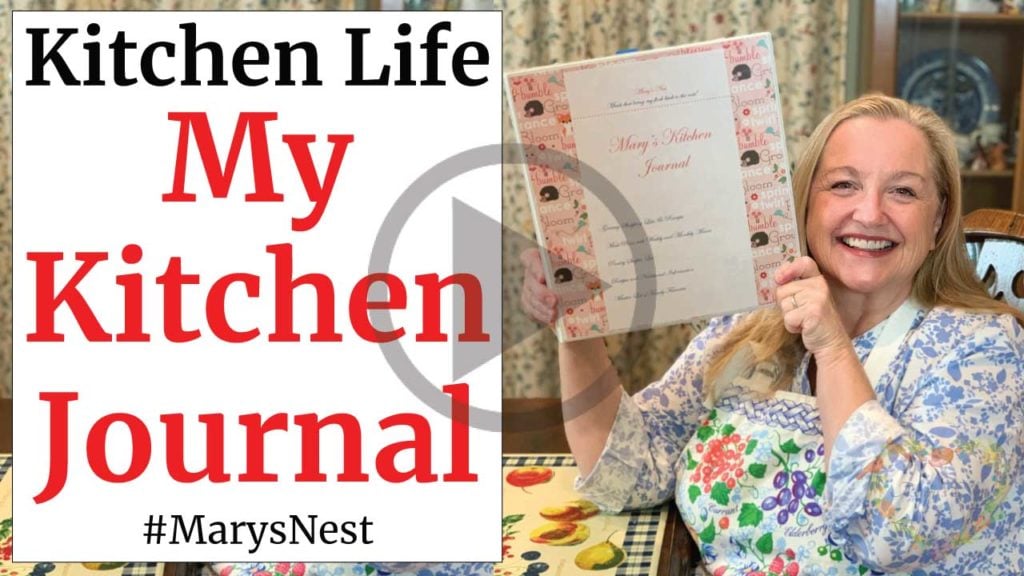
Be sure to label your jar with the grains you included. You may also want to record the combination, cooking method, cooking time, and amount of liquid in your Kitchen Journal. That way, when you discover a mixture your family loves, you can easily recreate it.
An Easy Step into the World of Whole Grains
If you are just beginning to incorporate whole grains into your traditional foods kitchen, don’t feel that you need to begin by baking bread with freshly milled flour or serving unfamiliar grains as side dishes.
Start with something warm, comforting, and familiar: a bowl of porridge.
Combine oat groats with hulled barley, add your favorite toppings, and enjoy. As you grow more comfortable, begin rotating in einkorn, emmer, spelt, wheat, rye, millet, buckwheat, and other grains.
Little by little, you’ll discover new flavors and textures while creating nourishing breakfasts that your family looks forward to enjoying—especially on those cool fall and winter mornings.
Grand Teton Ancient Grains
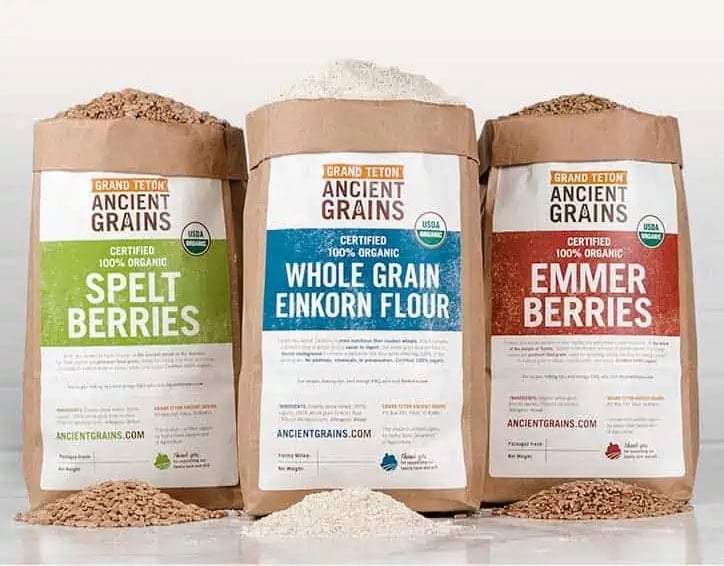
Check out the organic berries and flours available from Grand Teton Ancient Grains. I love their high-quality Einkorn, Emmer, Spelt, Millet, and more you can get to create nutritious and delicious baked goods.
Exclusive Newsletter Discount Code
Sign up for my Mary’s Nest newsletter for an exclusive discount code you can use on your order of berries and flours. This discount is available for a limited time, so be sure to stock up on the Ancient Grains you would enjoy using to bake delightful breads, desserts, and more.
And if you’re looking for a grain mill to make fresh flour from your wheat berries, I recommend the Mockmill electric grain grinder. (See below.)
Grind Your Own Flour with the Mockmill
When it comes to electric grain mills, after I did A LOT of research, I decided to buy a Mockmill. And am I so happy I did! The Mockmill is a very affordable but beautifully crafted German-made mill that stone grinds grain with settings ranging from 1 to 10—fine to coarse ground grain.
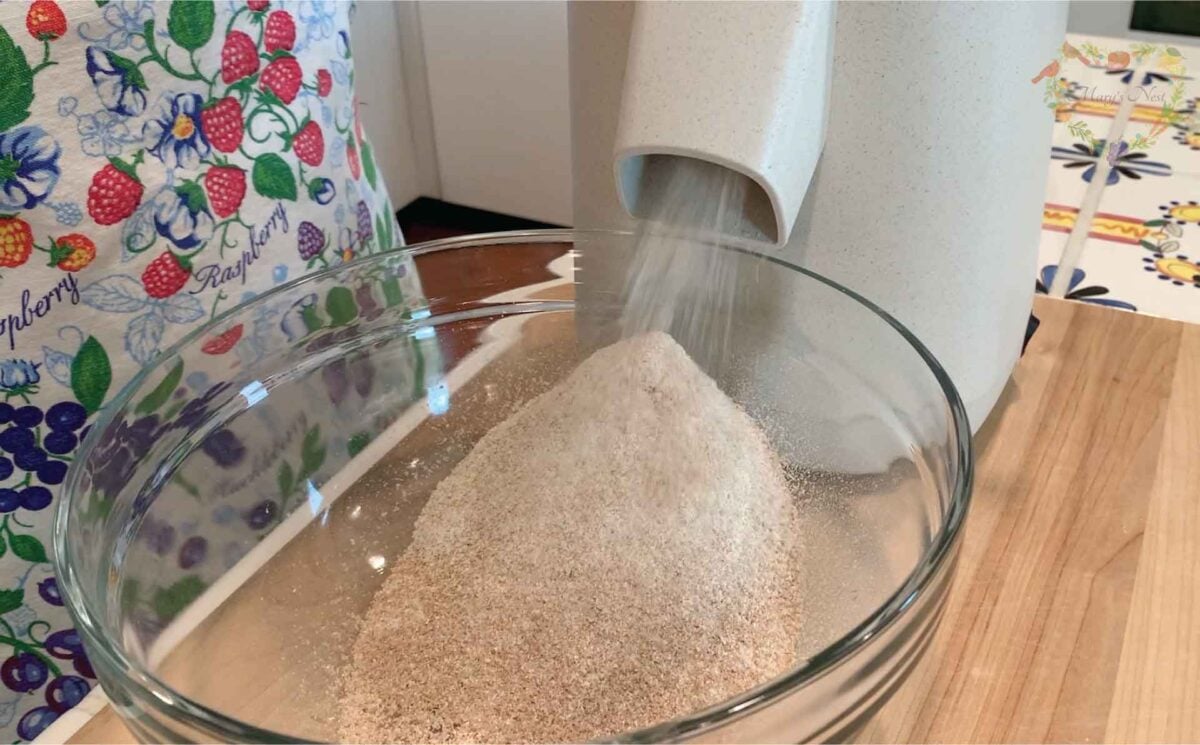
Learn more about Mockmill electric grain mills for making fresh flour and their Flake Lover’s Flaker that flakes whole grain in minutes. (This is not a sponsored post. I bought the Mockmill products that I show you, and I’m a happy user of their devices in my kitchen.)
- Get the Mockmill 100 Stone Grain Mill (Same product I show you in my unboxing video.)
- Mockmill 100 Grain Mill unboxing
- Flake Lover’s Flaker from Mockmill in action (Using this device, you can flake whole grain in minutes.)
Order YOUR COPY Now!
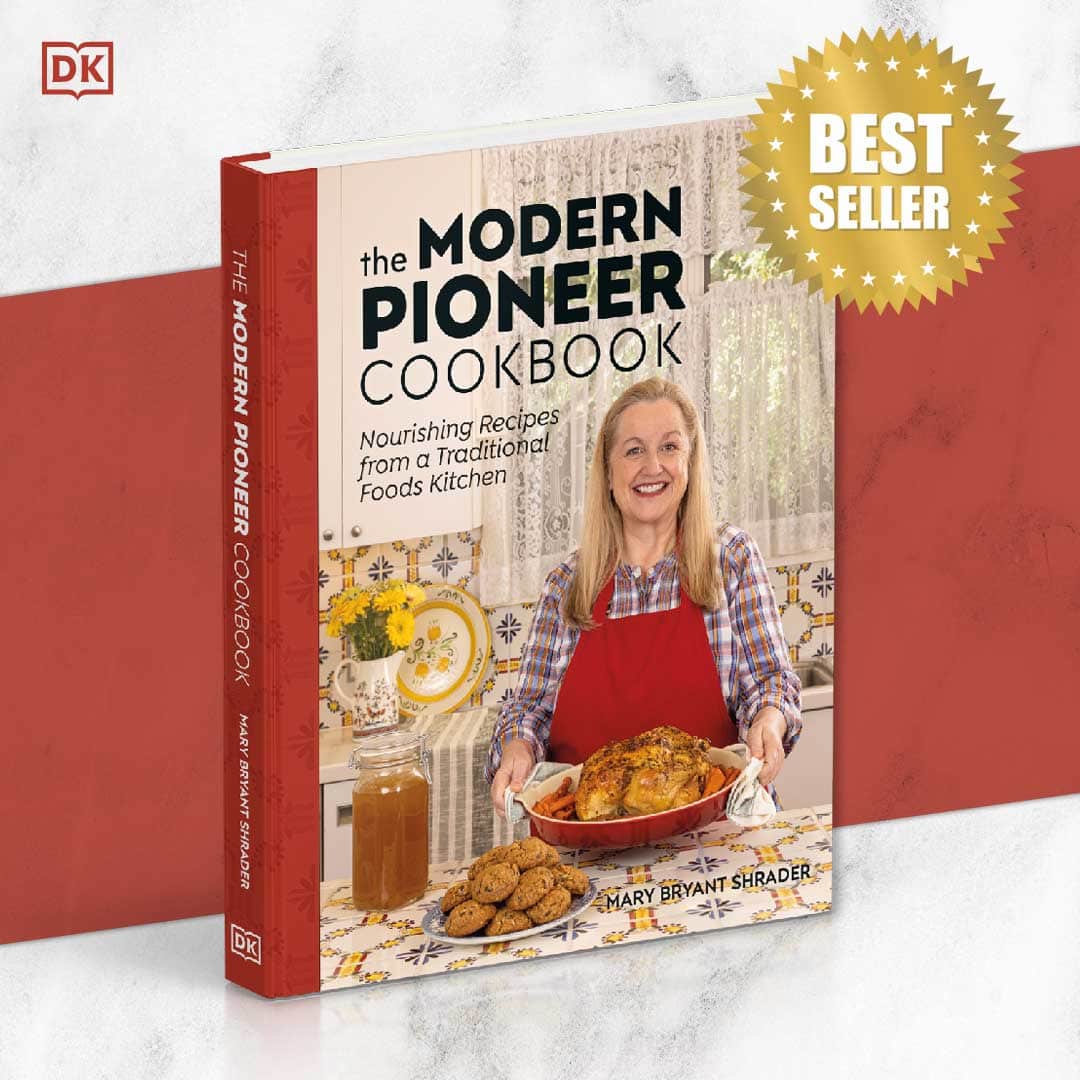
The Modern Pioneer Cookbook
Seasonal ingredients, traditional techniques, and nourishing recipes. Over 85 traditional, from-scratch recipes! Discover for yourself how you can use simple ingredients and traditional techniques to cook the modern pioneer way.
Order YOUR COPY Now!
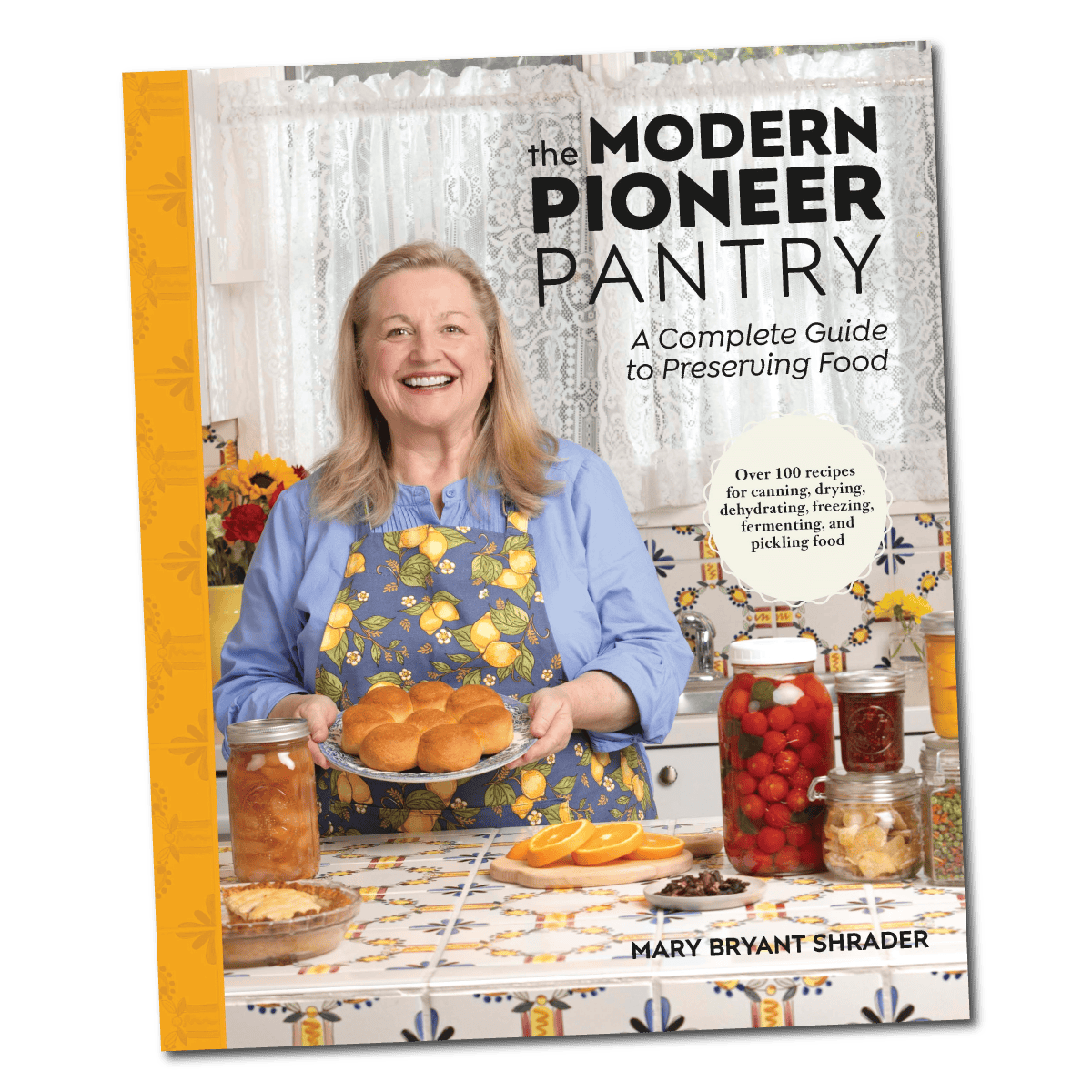
The Modern Pioneer Pantry
Simple ingredients, timeless techniques, and a well-stocked pantry. Discover over 100 nourishing recipes to preserve food and turn pantry staples into delicious, homemade meals. Build a wholesome, traditional pantry—just like a modern pioneer!
Traditional Foods Kitchen Academy
My comprehensive vodcasts are exclusively available to members of the Traditional Foods Kitchen Academy, who we call Kitchen Pioneers. You can learn more about my optional YouTube membership community, including members-only videos and exclusive perks.
This membership community is optional. I’m still publishing my detailed instructional cooking videos on my public YouTube channel that you can watch for free. (Thanks so much for being a Sweet Friend and subscriber!)
Join the Traditional Foods Kitchen Academy
As a Kitchen Pioneer member, your YouTube video comments include a special badge next to your YouTube username. You’re always welcome to post questions and comments on my videos, and I’m happy to reply.
Catch up on some of the videos in our membership community that you may not have seen:
- Traditional Foods Kitchen Academy video playlist (Optional Membership Community)
Kitchen Academy Videos
A Cozy Fall Kitchen: Cooking, Books, and Cherished Memories
Join me for a cozy fall visit filled with oven cooking, favorite books, and memories of my mother’s winter pantry preparations.
How Much of Each Natural Remedy Should You Make?
Use your family’s needs, past experience, and seasonal habits to decide how much to prepare for your Healing Pantry.

Baking Questions Answered with Ted and Mary!
Join me and my husband Ted for a Q&A filled with practical kitchen tips, helpful techniques, and answers to your baking questions.
Stay in Touch with Mary’s Nest
- Subscribe to My YouTube Channel for Traditional Foods Videos (Free) - When you subscribe, be sure to click on the notification bell that will let you know each time I upload a new video.
- Subscribe to Mary’s Traditional Foods Newsletter (Free) - Get a free 36-page eBook for signing up: How to Stock Your Essential Traditional Foods Four-Corners Pantry.
- Join the Traditional Foods Kitchen Academy - For more detailed videos and exclusive members-only perks, join my YouTube membership community.
- Order The Modern Pioneer Cookbook - Get a hardcover book of Mary's nourishing recipes from a Traditional Foods Kitchen. This bestselling cookbook is published by Penguin Random House with their DK imprint.
- Order The Modern Pioneer Pantry - Get Mary's latest hardcover cookbook about preserving food and making delicious meals from your Four Corners Pantry. Mary's second cookbook is also published by Penguin Random House.
I look forward to having you join me in my Texas Hill Country Kitchen!
Shop for Items Used in This Blog Post or Video
Favorite Kitchen Supplies
- Favorite Aprons
- Spice Grinder
- Countertop Burner (On my kitchen island in many recipe videos.)
- Handheld Vacuum Sealing System
- Vacuum Lids
- Whisk
- Silica Gel Packets (Helps keep moisture from building up in your mix)
- Cast Iron Dutch Oven
- 8-Quart Slow-Cooker
- Fat Separator (Clever kitchen device to help you decant bone broth)
- Flour Sack Towels
- pH Strips (Helps you check on the acidity of your vinegar)
Amazon Shop and Shopping Guide
- Visit Mary’s Nest Amazon Shop
- Get a 30-day Audible trial with a free audiobook
- Visit my Shopping Guide page
Get up to 15% off for stocking your Traditional Foods Pantry and equipping your Modern Pioneer Kitchen, including discounts from US Wellness Meats, Farmhouse Teas, Backwoods Home, Masontops, Cultures for Health, Survival Garden Seeds, Redmond Real Salt, and More!