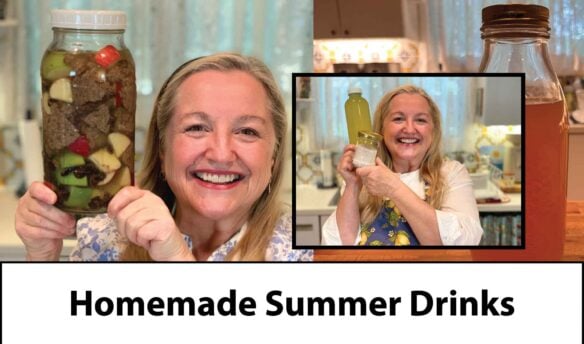
Learn how to make Traditional Rye Bread Kvass for a probiotic-rich drink with beneficial bacteria that is great for good gut health.
Affiliates note: As an Amazon Associate I earn from qualifying purchases. My content may contain affiliate links to products and services. If you click through and make a purchase, I’ll receive a small commission. It does not affect the price you pay.
Table of Contents
- Is Kvass Only Made with Beets?
- Is There Just One Kvass Recipe?
- Get Started Making Kvass Today
- More Probiotic-Rich Drinks
- The Modern Pioneer Cookbook
- The Modern Pioneer Pantry
- Start Your Traditional Foods Journey
- Download Your Free 36-Page Pantry List
- Join the Traditional Foods Kitchen Academy
- Kitchen Academy Videos
- Traditional Rye Bread Kvass Recipe
- Shop for items used in this blog post or video
Is Kvass Only Made with Beets?
If you’re a long-time viewer, you have probably seen my video where I showed you how to make Beet Kvass. This tasty probiotic-rich drink is made with fresh beets.
Traditional kvass, which originated in Russia and Eastern Europe, is usually made with stale rye bread instead of beets. Were beets added sometimes? Sure. But to be truly authentic, it’s worth making this probiotic-rich drink with rye bread for a beverage that is both sweet, tangy, and effervescent!
Is There Just One Kvass Recipe?
Kvass has been made for thousands of years, and truth be told, there is probably no one “official” recipe. Each country, each region, and even each family probably have their own way of making this unique drink.
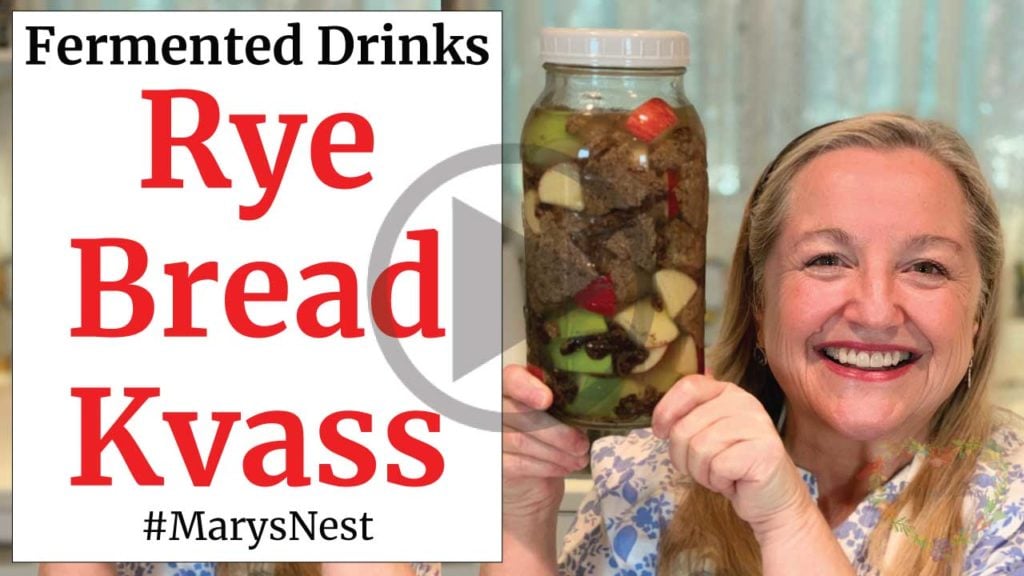
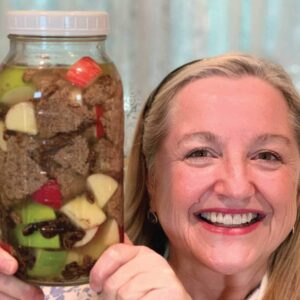
I have been experimenting with a Kvass recipe for about two years, and I have discovered a combination that I like. My printable recipe is a simple one. All you need is some stale dark rye bread, a generous handful of raisins, and two apples. That’s it! And of course, some water to top it all off. I show you how to mix all the ingredients together in my recipe video.
Get Started Making Kvass Today
Since you may want a long ferment time, get started making your Kvass today. Your recipe may be ready in 2 days, but you may also want to allow it to ferment—in essence, to “brew”—for a total of 30 days. Each stage in the brewing process creates a slightly different flavored beverage.
Within the first few days, your Kvass will be slightly sweet. After about a week or two, it will be quite effervescent with more of a yeasty flavor that’s similar to Kombucha. And after 30 days…well, all I can say is if you brew it that long it will put hair on your chest! LOL!! After a month of fermentation, it takes on a powerful—almost vinegar-like flavor—similar to Fire Cider.
More Probiotic-Rich Drinks
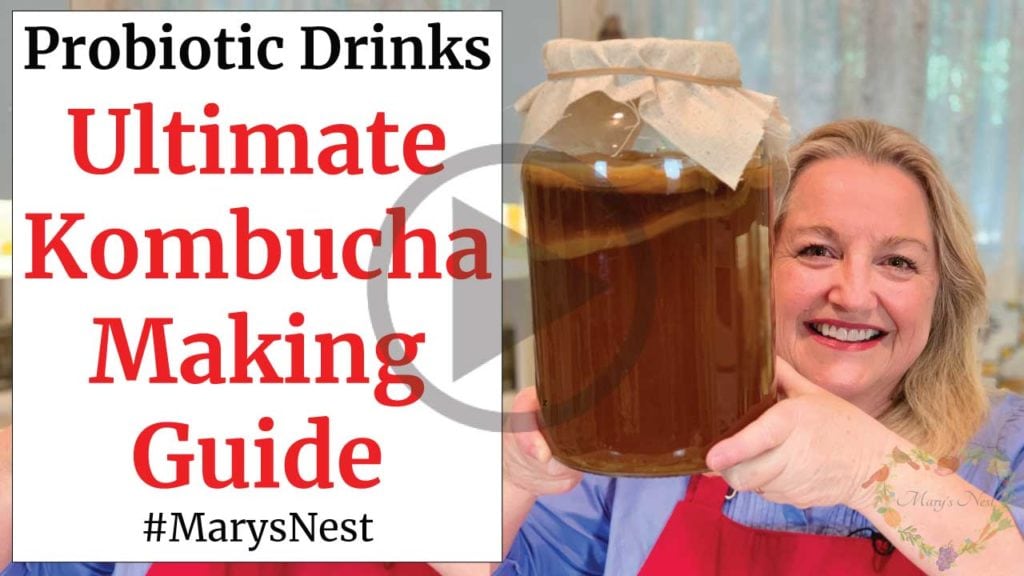
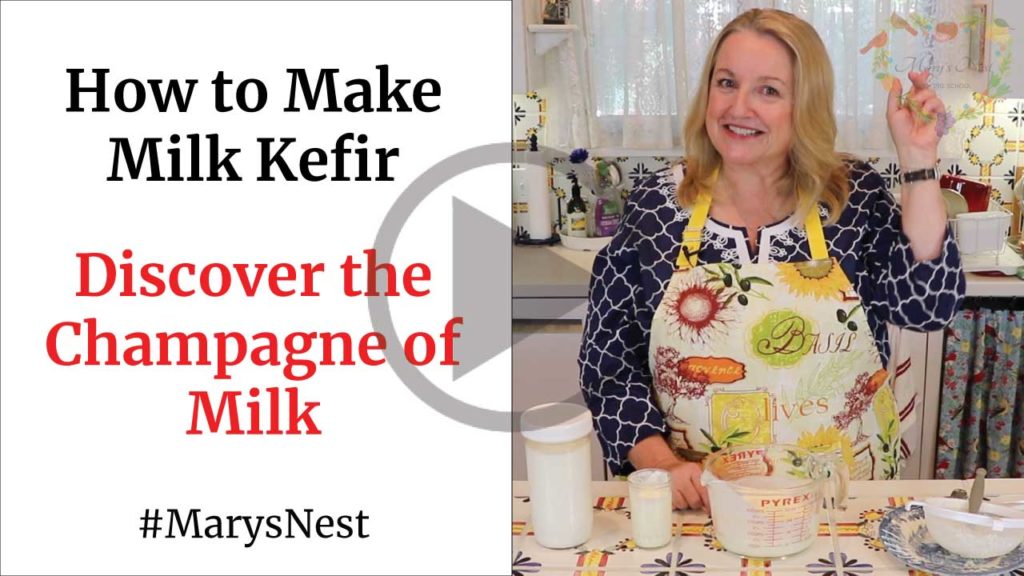
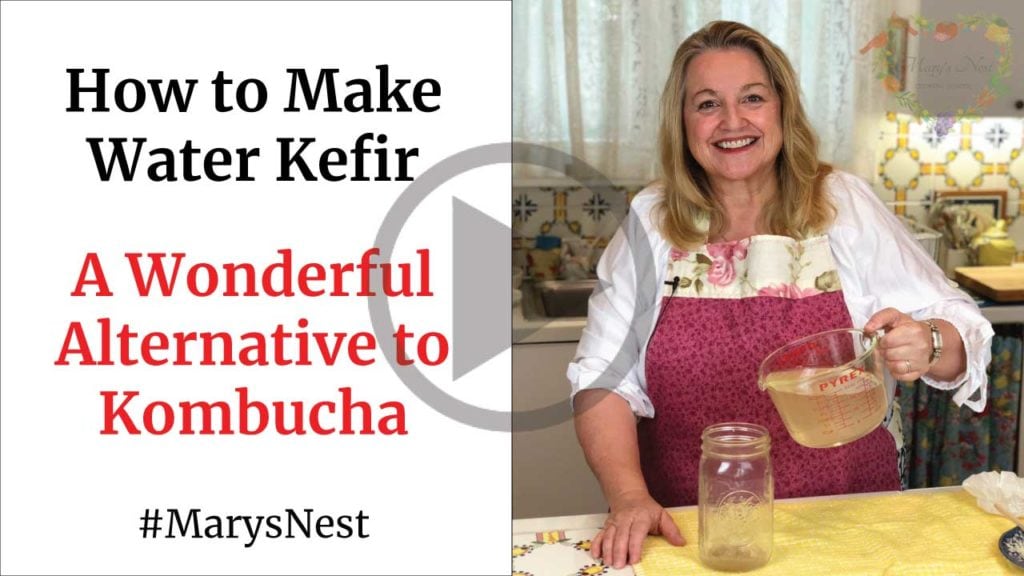
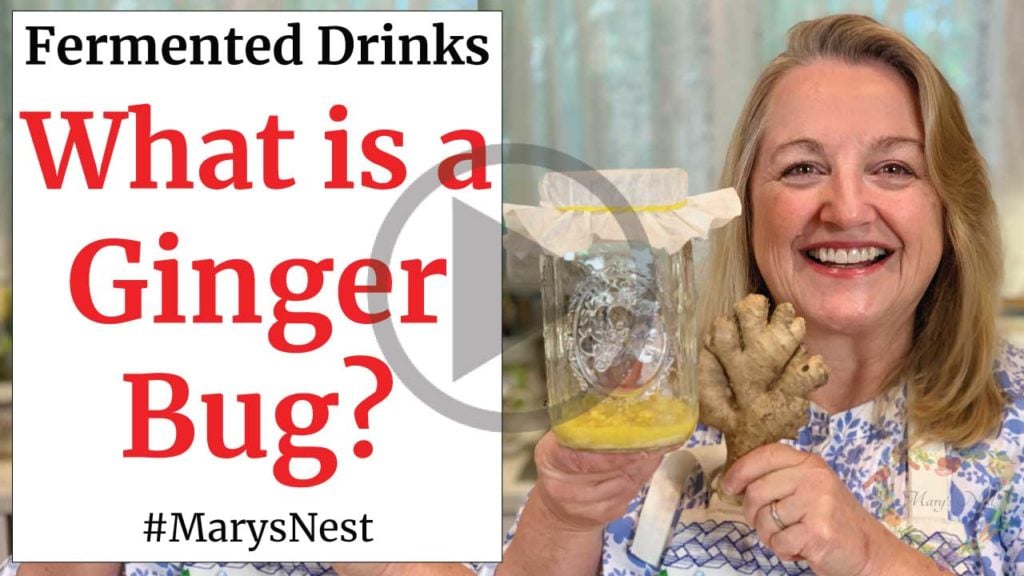
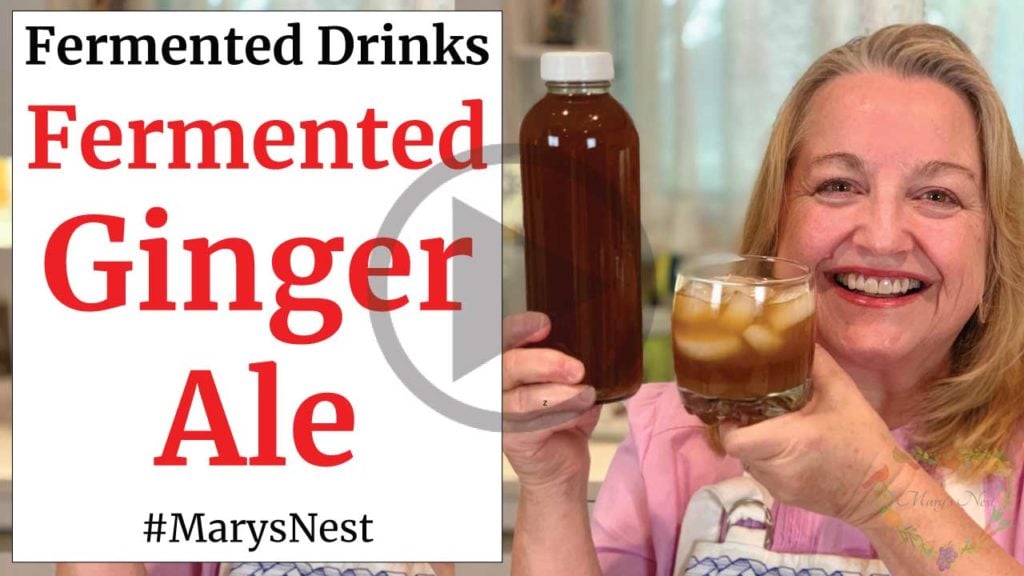
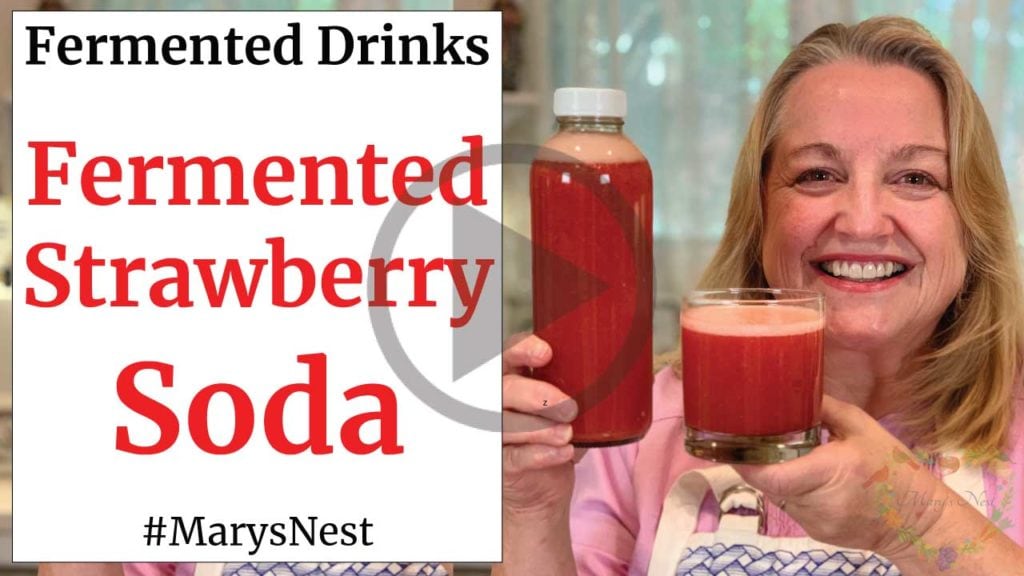
Now that you have learned how to make real Kvass, try making other probiotic-rich drinks by watching the following videos and recipes.
Order YOUR COPY Now!
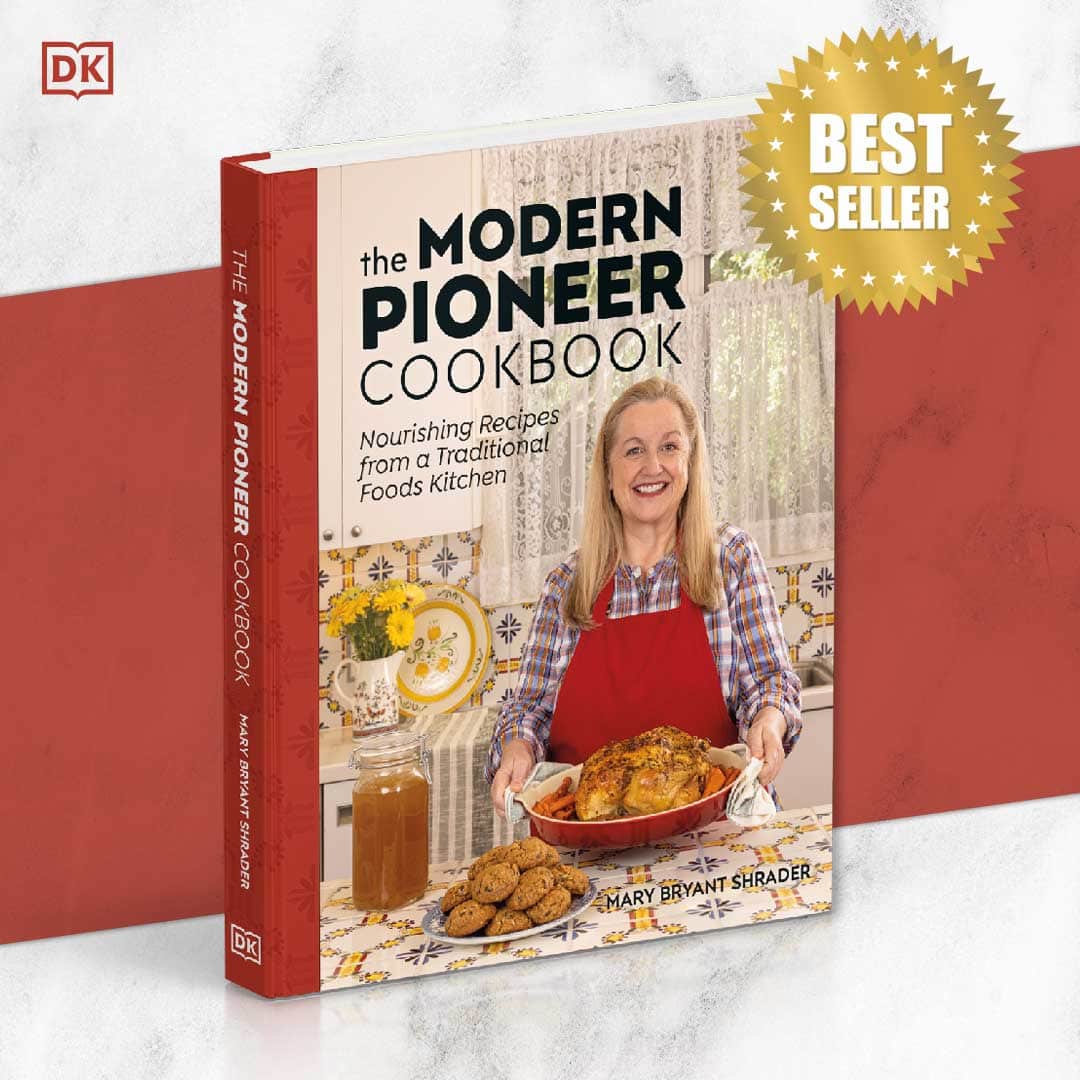
The Modern Pioneer Cookbook
Seasonal ingredients, traditional techniques, and nourishing recipes. Over 85 traditional, from-scratch recipes! Discover for yourself how you can use simple ingredients and traditional techniques to cook the modern pioneer way.
Order YOUR COPY Now!
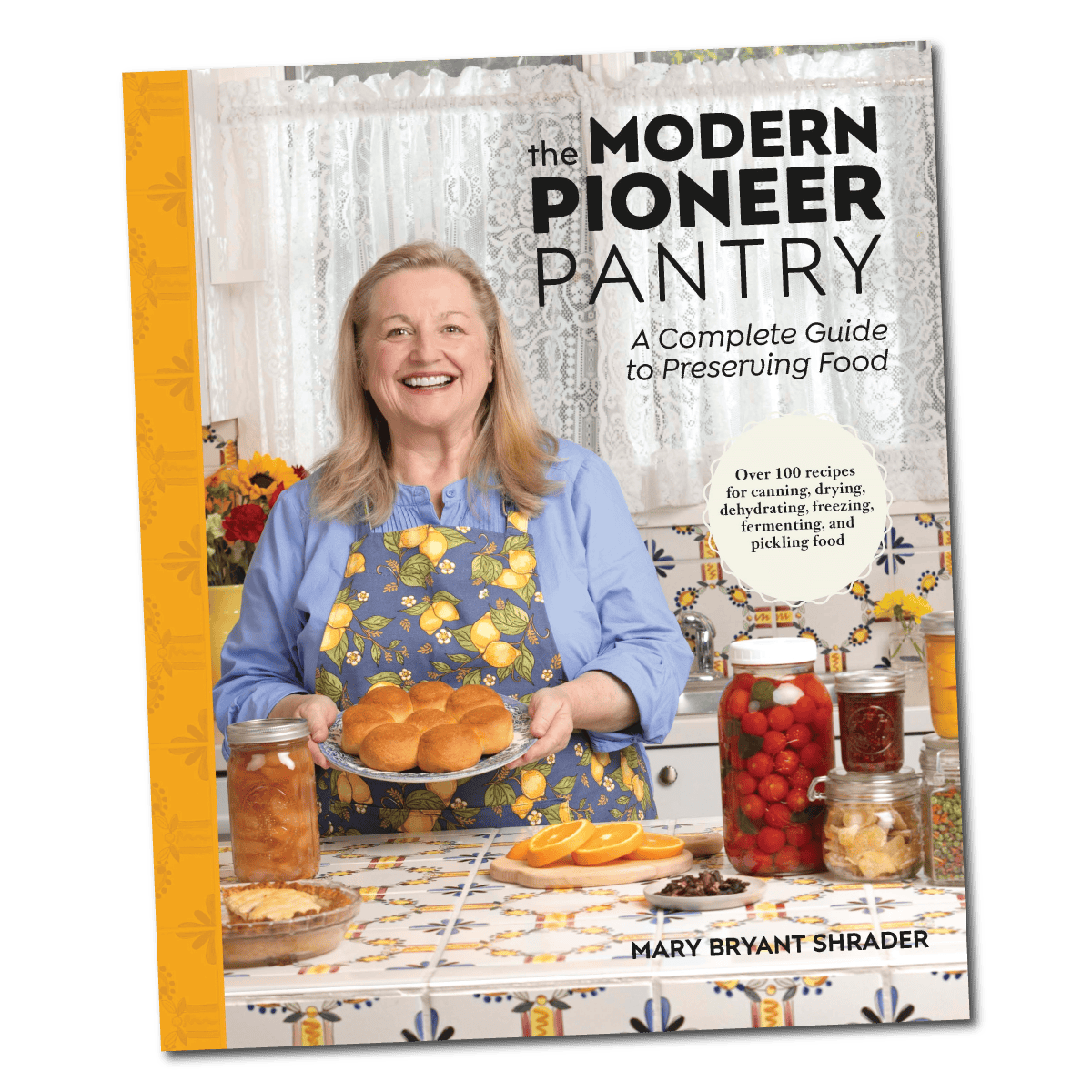
The Modern Pioneer Pantry
Simple ingredients, timeless techniques, and a well-stocked pantry. Discover over 100 nourishing recipes to preserve food and turn pantry staples into homemade meals. Build a wholesome, traditional pantry—just like a modern pioneer!
Start Your Traditional Foods Journey
Sharing my passion for traditional cooking goes beyond my YouTube cooking school—it also comes to life in the pages of my cookbooks. Both of my books, The Modern Pioneer Cookbook and The Modern Pioneer Pantry, are proudly published by Penguin Random House.
The first is filled with time-honored recipes to help you create a traditional foods kitchen, while the second is your complete guide to home food preservation. Order both books today to start or continue your traditional foods journey.
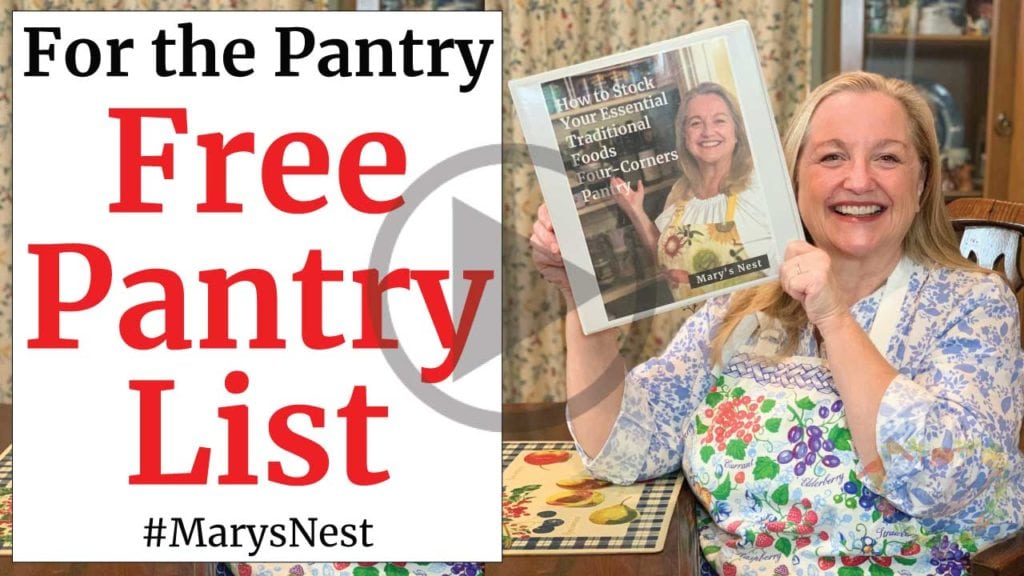
Download Your Free 36-Page Pantry List
For an extensive list of the traditional foods you can make and purchase to stock your pantry, be sure to download my free 36-page Traditional Foods Pantry List. This comprehensive eBook is full of links to recipe videos, helpful articles, and more!
Join the Traditional Foods Kitchen Academy
Are you looking for more traditional foods videos? If so, I invite you to join the Traditional Foods Kitchen Academy. Members of this optional paid YouTube community get access to exclusive videos and other members-only perks. Plus, your YouTube comments include a special members-only badge.
Kitchen Academy Videos
A Cozy Fall Kitchen: Cooking, Books, and Cherished Memories
Join me for a cozy fall visit filled with oven cooking, favorite books, and memories of my mother’s winter pantry preparations.
How to Mix Whole Grains for a Warm and Nourishing Porridge
Learn to mix oat groats, barley, and other whole grains for a warm, nourishing porridge with easy make-ahead tips and tasty toppings.
How Much of Each Natural Remedy Should You Make?
Use your family’s needs, past experience, and seasonal habits to decide how much to prepare for your Healing Pantry.
Stay in Touch with Mary’s Nest
- Subscribe to My YouTube Channel for Traditional Foods Videos (Free) - When you subscribe, be sure to click on the notification bell that will let you know each time I upload a new video.
- Subscribe to Mary’s Traditional Foods Newsletter (Free) - Get a free 36-page eBook for signing up: How to Stock Your Essential Traditional Foods Four-Corners Pantry.
- Join the Traditional Foods Kitchen Academy - For more detailed videos and exclusive members-only perks, join my YouTube membership community.
- Order The Modern Pioneer Cookbook - Get a hardcover book of Mary's nourishing recipes from a Traditional Foods Kitchen. This bestselling cookbook is published by Penguin Random House with their DK imprint.
- Order The Modern Pioneer Pantry - Get Mary's latest hardcover cookbook about preserving food and making delicious meals from your Four Corners Pantry. Mary's second cookbook is also published by Penguin Random House.
I look forward to having you join me in my Texas Hill Country Kitchen!
I’d like to receive more tips and recipes from Mary’s Nest.
Traditional Rye Bread Kvass
Equipment
- 64-ounce glass jar with screw-on lid
- Swing top bottles (for decanting), optional
Ingredients
- 5 slices Stale or toasted dark rye bread, broken into pieces
- 1/2 cup Dark raisins
- 2 large Apples, unpeeled and chopped into pieces, seeds removed
- Water, preferably chlorine-free
Instructions
- Add all dry ingredients into the jar and shake to mix well. (See video.)
- Fill the jar with water leaving approximately 2 inches of headspace from the rim of the jar.
- Put a lid on the jar and screw it on tight. Shake the jar vigorously.
- Place the jar in a bowl (to catch any spillage), and place it in a warm (room temperature is fine) spot in the kitchen or pantry out of direct sunlight.
- Each day, loosen the lid to allow any built-up carbon dioxide gas to escape.
- Retighten the lid securely and shake the jar. Place the jar back into the bowl, and return the bowl to a warm spot in the kitchen or pantry out of direct sunlight.
- After two days, begin to taste the kvass. You can let the kvass ferment up to 30 days. Once it reaches a flavor that you like, strain out the solids, and decant the liquid into a bottle and refrigerate.
- Kvass will stay fresh in your refrigerator for at least six months. It will lose its "fizz" after a few days unless decanted into a swing-top bottle. Take caution if you decide to decant your kvass into a swing-top bottle. Make sure the bottles are specifically made for decanting effervescent beverages. Even under the best conditions, naturally fermented beverages can cause swing-top bottles to break. I do not recommend using them.
Video
Notes
Shop for items used in this blog post or video
Favorite Fermentation Supplies
- Half Gallon Canning Jars
- 4-Ounce Jelly Jars
- White Storage Lids
- pH Strips
- Masontops Complete Fermentation Kit (See promocode below.)
- Silicone Pickle Pipes
- Fermentation Glass Weights
- Wooden Pickle Packer
- Wooden Kraut Pounder
Use promo code MARYSNST for a one-time 15% off Masontops and Breadsmart products on Amazon.com.
Amazon Shop and Shopping Guide
- Visit Mary’s Nest Amazon Shop
- Get a 30-day Audible trial with a free audiobook
- Visit my Shopping Guide page
Get up to 15% off for stocking your Traditional Foods Pantry and equipping your Modern Pioneer Kitchen, including discounts from US Wellness Meats, Farmhouse Teas, Backwoods Home, Masontops, Cultures for Health, Survival Garden Seeds, Redmond Real Salt, and More!
Recommended Reading
- The Modern Pioneer Cookbook
- The Modern Pioneer Pantry
- Nourishing Traditions
- Wild Fermentation: The Flavor, Nutrition, and Craft of Live-Culture Foods (2nd edition)
- The Art of Fermentation: An In-Depth Exploration of Essential Concepts and Processes from around the World
- Fermented Vegetables, 10th Anniversary Edition: Creative Recipes for Fermenting 72 Vegetables, Fruits, & Herbs in Brined Pickles, Chutneys, Kimchis, Krauts, Pastes & Relishes
- The Farmhouse Culture Guide to Fermenting: Crafting Live-Cultured Foods and Drinks with 100 Recipes from Kimchi to Kombucha
- Traditionally Fermented Foods: Innovative Recipes and Old-Fashioned Techniques for Sustainable Eating