
There’s nothing quite as disappointing as slicing into a loaf of bread only to find big, gaping holes that won’t hold a bit of butter or jam. Today, we’re going to rediscover what real bread is meant to be—and how to bake it beautifully in your own kitchen.
Today, we’re continuing with The Maslin Method Baking School™ series, where we explore a traditional way of baking with whole grains just as home bakers have done for generations.
The Maslin Method™, Maslin Flour Blends™, and The Maslin Method Baking School™ are original terms created by Mary Bryant Shrader to represent a traditionally-inspired approach to baking with a blend of whole grains to create nourishing baked goods where different grains are intentionally combined, each bringing its own unique nutrition, flavor, and character to the finished bake.
Affiliates note: As an Amazon Associate I earn from qualifying purchases. My content may contain affiliate links to products and services. If you click through and make a purchase, I’ll receive a small commission. It does not affect the price you pay.
Table of Contents
- A Quick Glance
- What Happened to Bread: The Rise of Modern “Artisan” Bread
- A Forgotten Baking Truth: When Big Holes Meant Something Went Wrong
- Why Modern Bread Looks So Different
- A Traditional Approach: Returning to Real Bread with The Maslin Method
- What’s Coming Next
- Grand Teton Ancient Grains
- Grind Your Own Flour with the Mockmill
- Redmond Real Salt
- The Modern Pioneer Cookbook
- The Modern Pioneer Pantry
- Start Your Traditional Foods Journey
- Download Your Free 36-Page Pantry List
- Join the Traditional Foods Kitchen Academy
- Kitchen Academy Videos
- Shop for My Favorite Items
A Quick Glance
If you’ve ever wondered why your homemade bread doesn’t look like those dramatic, hole-filled loaves online, here’s the truth:
- Large holes in bread were historically considered a defect
- Traditional bread had an even, balanced crumb
- Bread was meant to hold butter, jam, and meals—not let them fall through
- Modern “artisan” bread is often made for appearance rather than practicality
- The Maslin Method returns to whole grains, simple techniques, and nourishing results
What Happened to Bread: The Rise of Modern “Artisan” Bread
Today, we see bread everywhere with big, dramatic holes—almost like Swiss cheese taken to an extreme. These artisan loaves are often celebrated as the gold standard of baking. But here’s something to gently consider…
These are not the breads our ancestors made.
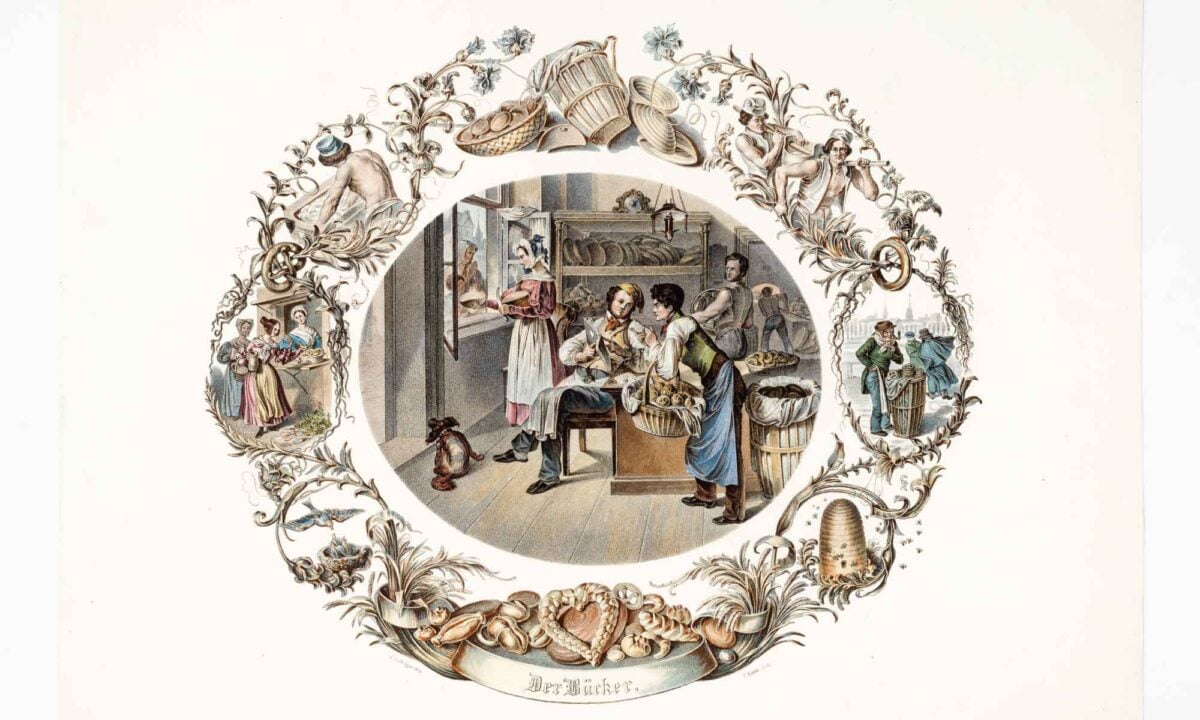
Traditional breads were never meant to be admired from afar or photographed for social media. They were meant to be part of a meal.
Traditional breads were designed to:
- Hold butter beautifully
- Support a spoonful of jam
- Soak up broth, soup, and gravy
They were practical, nourishing, and deeply satisfying.
A Forgotten Baking Truth: When Big Holes Meant Something Went Wrong
For generations—especially among traditional European bakers—those large, irregular holes actually had a name:
“Mouse holes” (or trous de souris in French)
And they were not something to celebrate. They were considered a sign of defective bread—and undesirable bread!
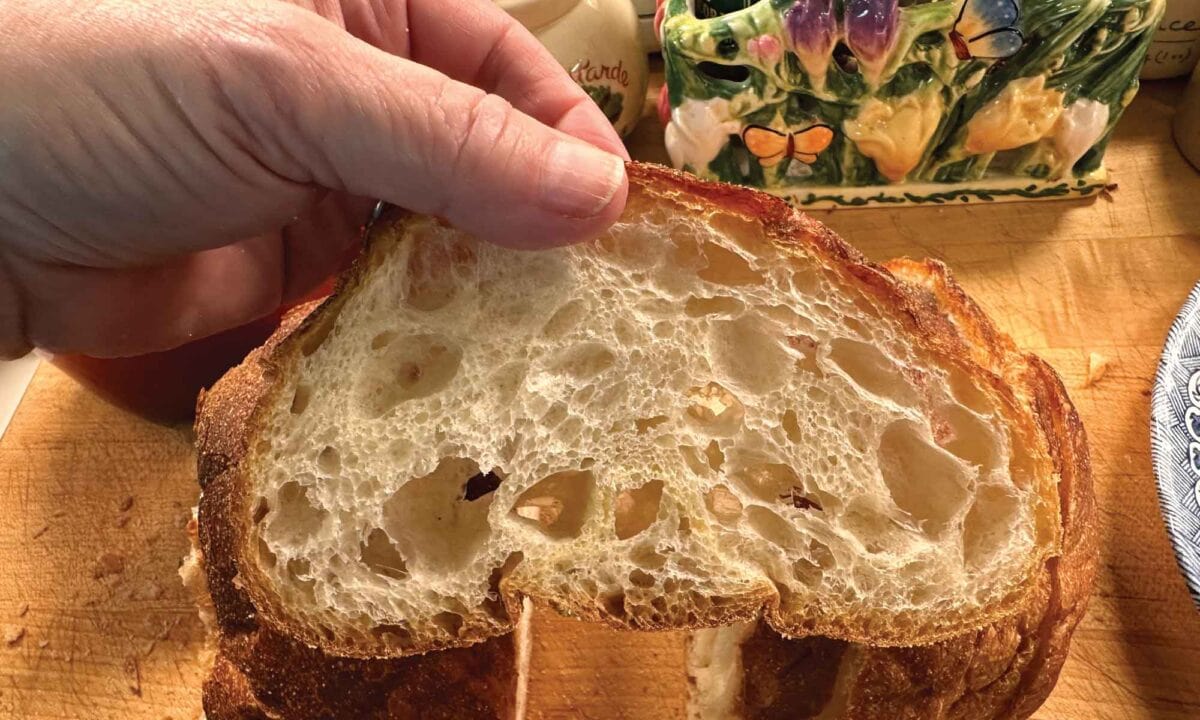
Those large holes suggested:
- Poor gluten development
- Weak structure
- An uneven crumb
In other words, the bread wasn’t doing its job. And that job was simple: To nourish and support a meal.
Why Modern Bread Looks So Different
The breads that produce those large holes today often rely on:
- Very high hydration doughs
- Refined flours
- Specialized modern techniques
This shift in technique is very different from what home bakers traditionally used.
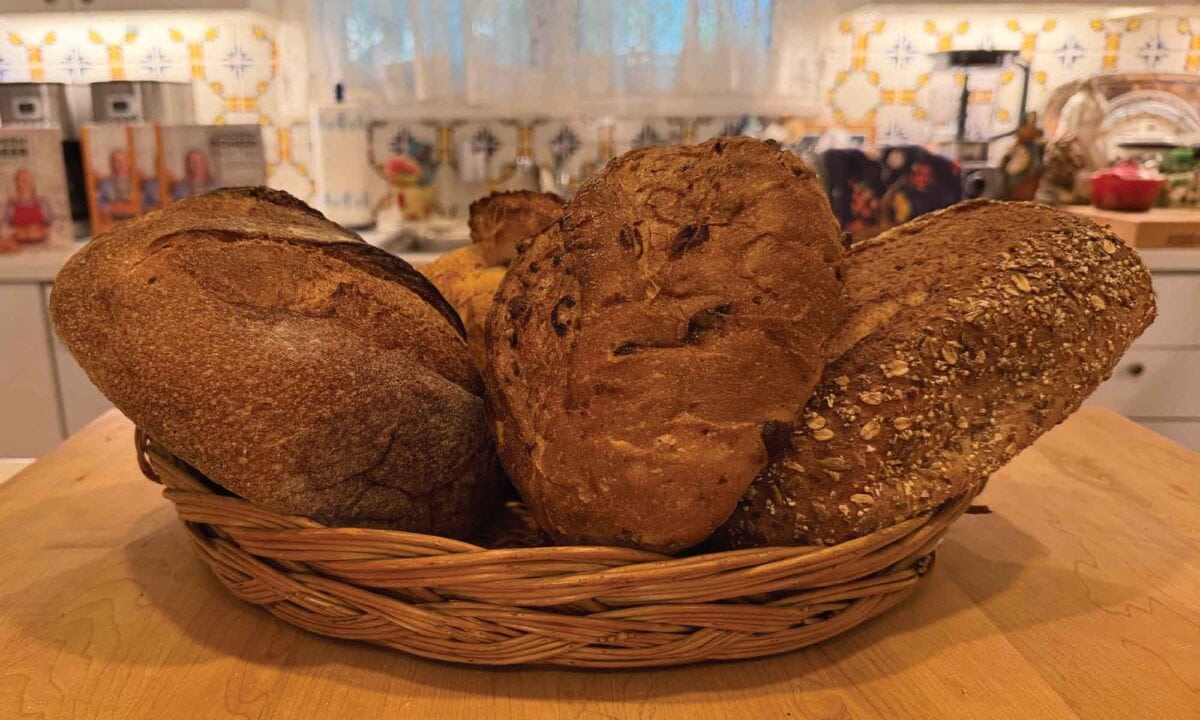
A Shift in Priorities
Over time, those dramatic holes became a kind of “badge of honor.”
But often, these loaves are:
- Designed to look impressive
- Less practical at the table
And that can leave home bakers wondering: “Why doesn’t my bread look like that?” or “What am I doing wrong?”
You’re Not Doing Anything Wrong
In fact, if your bread has a soft, even crumb, you’re doing something very right.
You’re baking the way generations before us baked. And if your goal is to nourish your family, friends, and yourself and create something truly enjoyable to eat, then you are exactly where you need to be.
A Traditional Approach: Returning to Real Bread with The Maslin Method
With The Maslin Method, we return to:
- Whole grain flours
- Thoughtful blending of grains
- Simple, time-honored techniques
No pressure. No perfectionism. No chasing after picture-perfect holes.
In The Maslin Method Baking School series, you’ll learn to bake whole grain bread that is:
- Nourishing
- Flavorful
- Reliable
- Truly meant to be enjoyed
The kind of bread that:
- Holds melted butter
- Cradles homemade jam
- Soaks up every last bit of a comforting meal
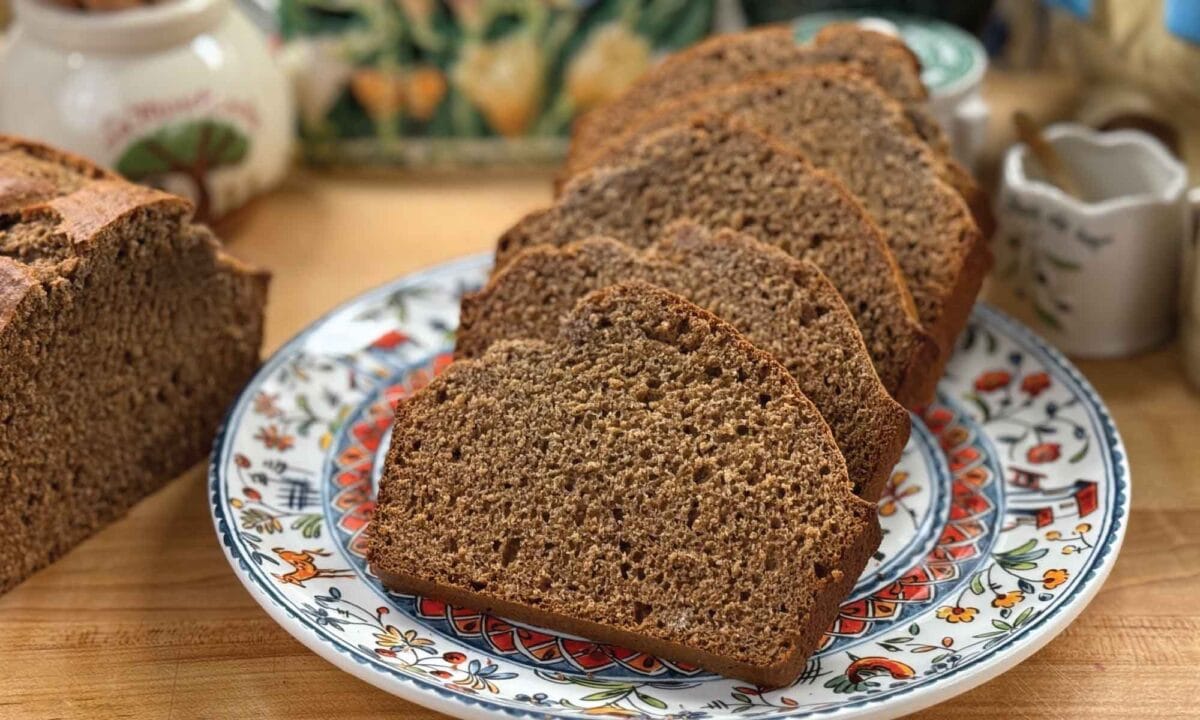
Bread for the Table, Not for the Camera
At the end of the day, we’re not baking for a photograph. We’re baking for the people we love. And there is something so deeply satisfying about placing a loaf on the table that:
- Feeds your family and friends well
- Completes a meal
- Brings comfort with every bite
What’s Coming Next
In the next video, we’ll put The Maslin Method into practice by baking a Traditional Maslin Hearth Loaf. This beautiful rustic bread will show you just how well blended whole grains can work in your everyday kitchen.
And from there, we’ll continue our journey together:
- Baking breads with yeast and sourdough
- Exploring sweet and savory pies, tarts, and rustic galettes
- Enjoying old-world tea-time treats
- And creating classic Early American desserts
This first loaf is just the beginning of something very special.
Continue the Journey
So if you’re curious about whole grains and traditional baking, I hope you’ll join me on this journey as we rediscover these wonderful old-world methods together. And be sure to visit The Maslin Method Baking School playlist, where you can watch the first video in this series and follow along as new lessons are added.
- What Is the Maslin Method? (And Why It’s the Best Approach to Baking with Whole Grains)
Also, if you’re signed up for my free Mary’s Nest newsletter, you’ll get an email every time I publish a new video. You can also subscribe to my YouTube channel and ring the bell for notifications.
Grand Teton Ancient Grains
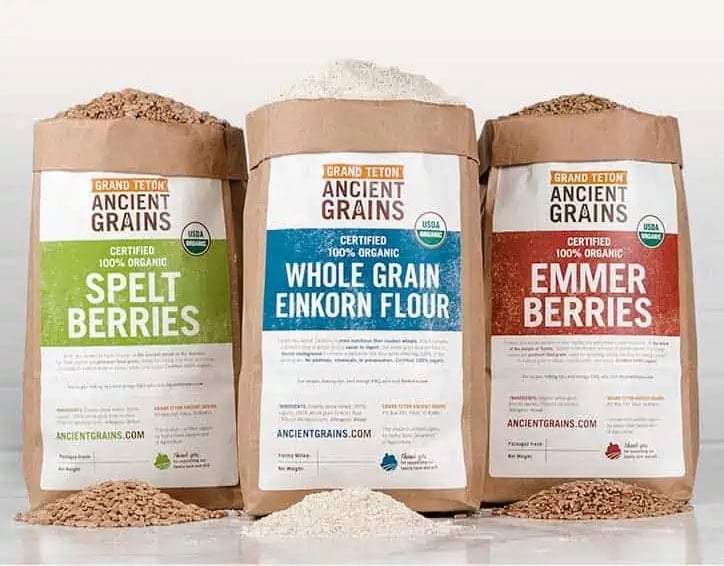
Check out the organic berries and flours available from Grand Teton Ancient Grains. I love their high-quality Einkorn, Emmer, Spelt, Millet, and more you can get to create nutritious and delicious baked goods.
Exclusive Newsletter Discount Code
Sign up for my Mary’s Nest newsletter for an exclusive discount code you can use on your order of berries and flours. This discount is available for a limited time, so be sure to stock up on the Ancient Grains you would enjoy using to bake delightful breads, desserts, and more.
And if you’re looking for a grain mill to make fresh flour from your wheat berries, I recommend the Mockmill electric grain grinder. (See below.)
Grind Your Own Flour with the Mockmill
When it comes to electric grain mills, after I did A LOT of research, I decided to buy a Mockmill. And am I so happy I did! The Mockmill is a very affordable but beautifully crafted German-made mill that stone grinds grain with settings ranging from 1 to 10—fine to coarse ground grain.
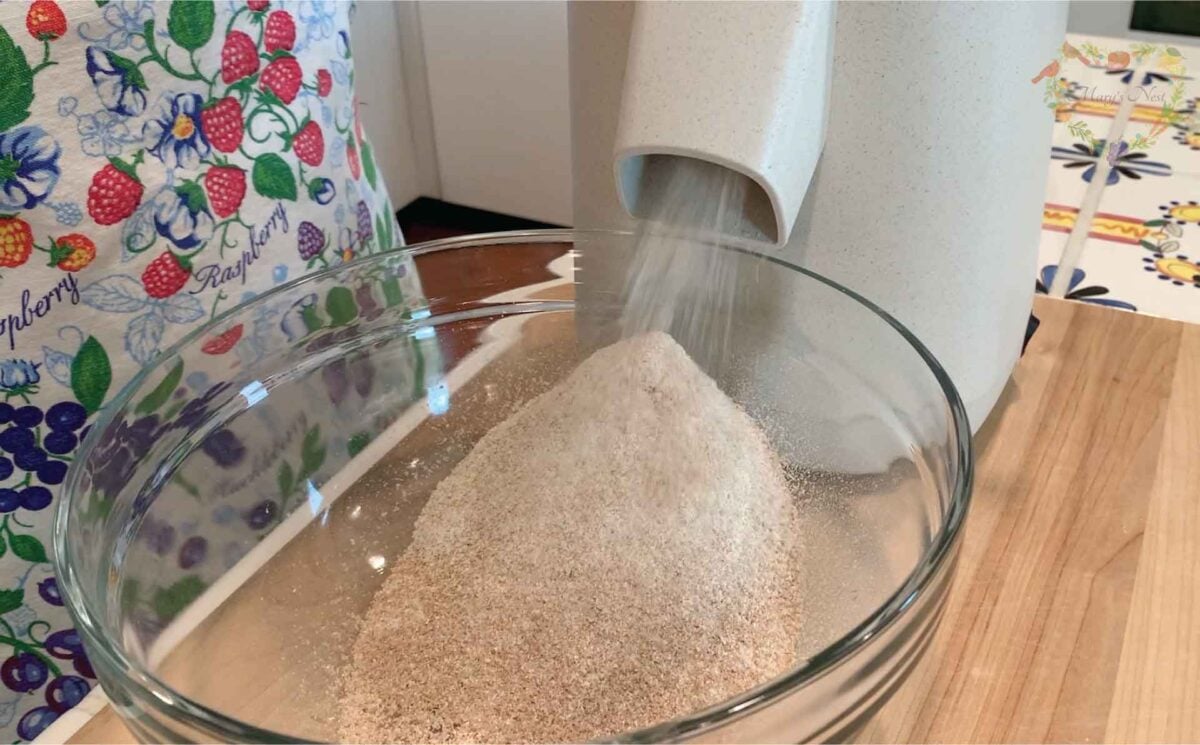
Learn more about Mockmill electric grain mills for making fresh flour and their Flake Lover’s Flaker that flakes whole grain in minutes. (This is not a sponsored post, I bought the Mockmill products that I show you, and I’m a happy user of their devices in my kitchen.)
- Get the Mockmill 100 Stone Grain Mill (Same product I show you in my unboxing video.)
- Mockmill 100 Grain Mill unboxing
- Flake Lover’s Flaker from Mockmill in action (Using this device, you can flake whole grain in minutes.)
Redmond Real Salt
When it comes to using salt in my recipes, I always like to use a real salt that has not been processed and does not contain any extra added chemicals or anti-caking agents. Redmond real salt is perfect!
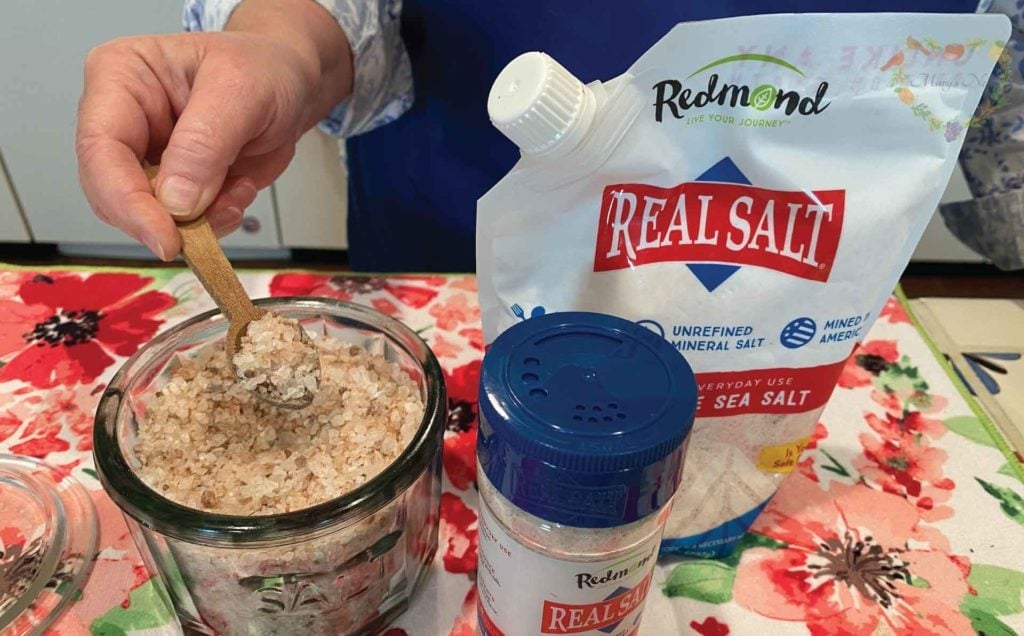
- Redmond Real Life – For Real Salt and other products, use this link and discount code MARYSNEST for 15% off your purchase. (Discount will show at checkout.)
Order YOUR COPY Now!
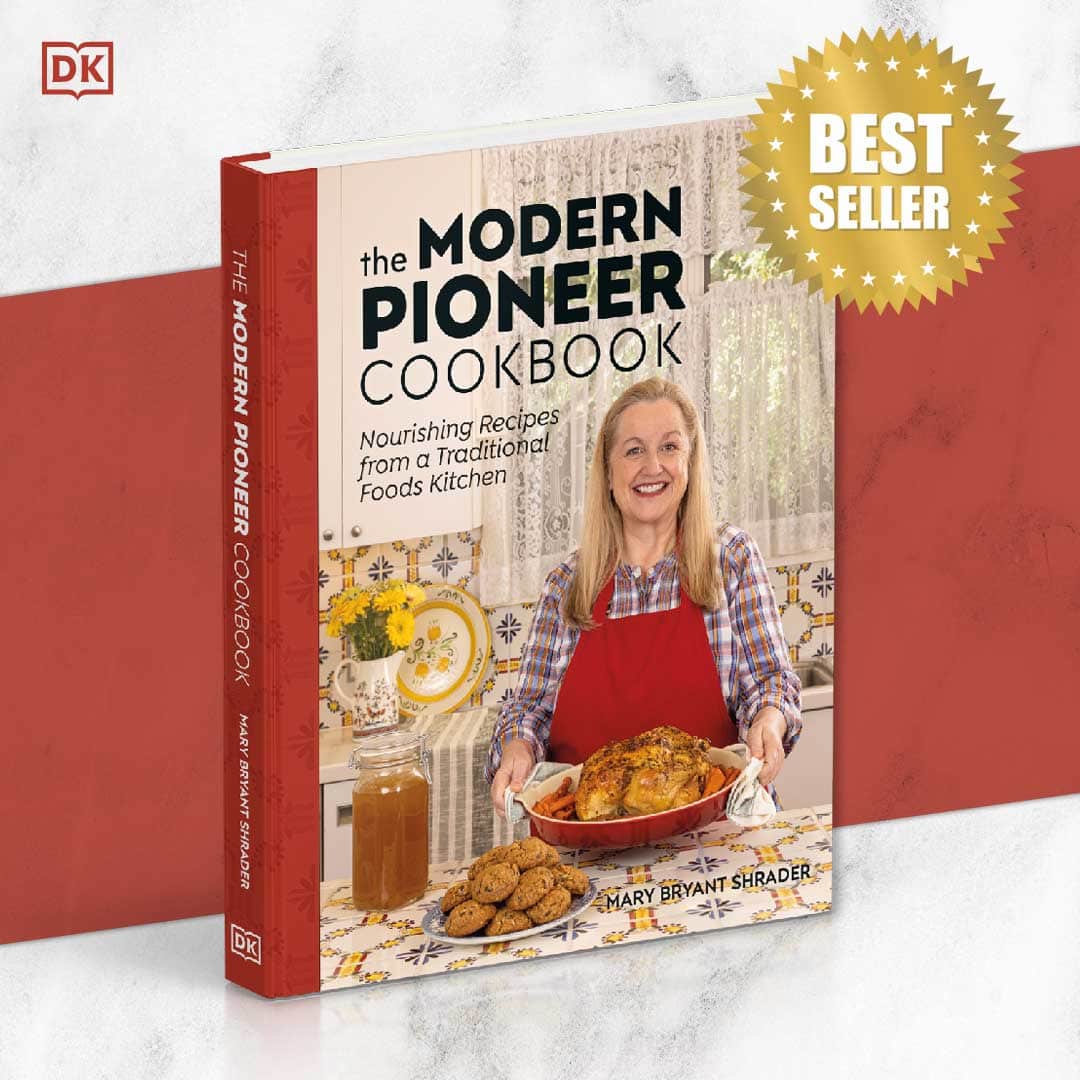
The Modern Pioneer Cookbook
Seasonal ingredients, traditional techniques, and nourishing recipes. Over 85 traditional, from-scratch recipes! Discover for yourself how you can use simple ingredients and traditional techniques to cook the modern pioneer way.
Order YOUR COPY Now!
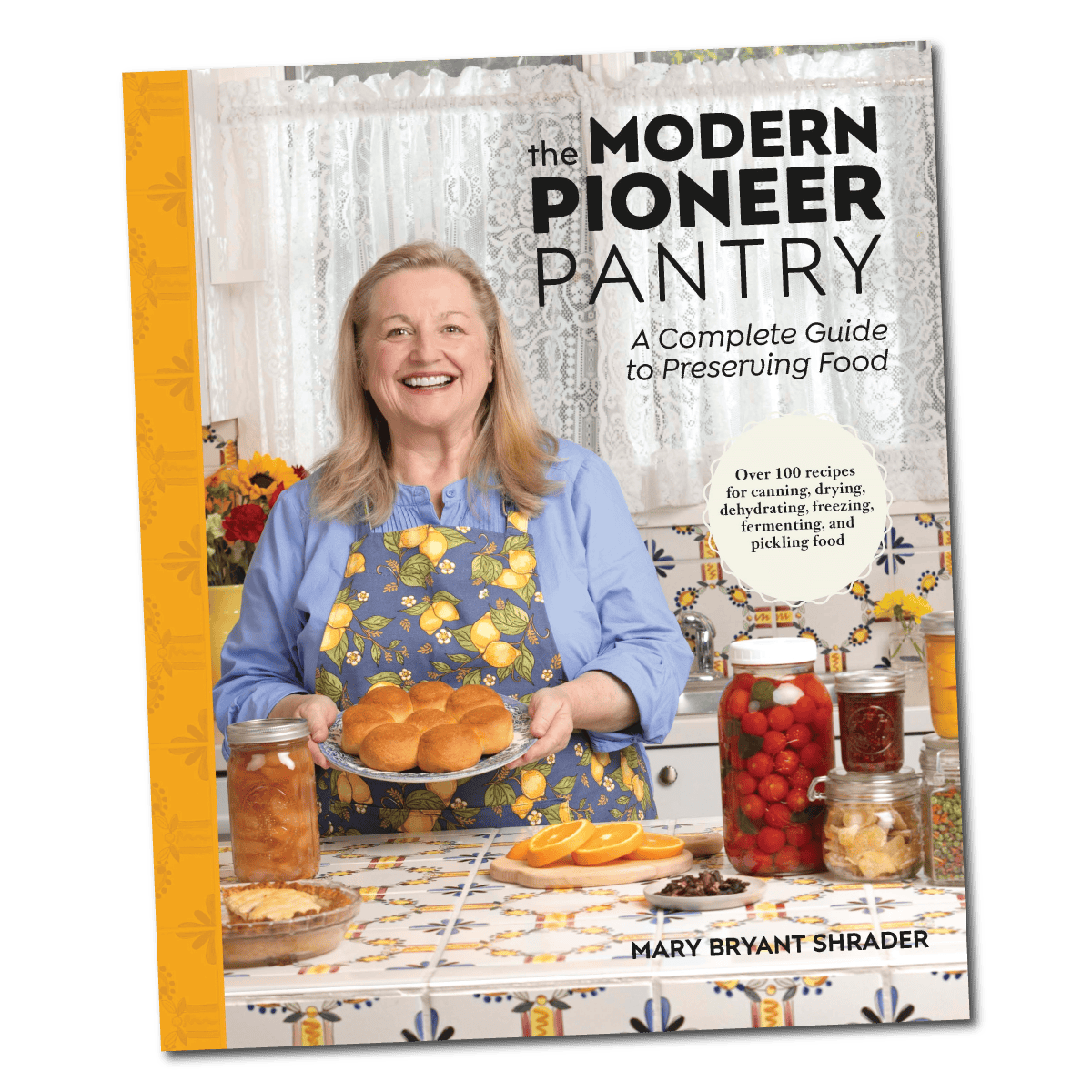
The Modern Pioneer Pantry
Simple ingredients, timeless techniques, and a well-stocked pantry. Discover over 100 nourishing recipes to preserve food and turn pantry staples into homemade meals. Build a wholesome, traditional pantry—just like a modern pioneer!
Start Your Traditional Foods Journey
Sharing my passion for traditional cooking goes beyond my YouTube cooking school—it also comes to life in the pages of my cookbooks. Both of my books, The Modern Pioneer Cookbook and The Modern Pioneer Pantry, are proudly published by Penguin Random House.
The first is filled with time-honored recipes to help you create a traditional foods kitchen, while the second is your complete guide to home food preservation. Order both books today to start or continue your traditional foods journey.
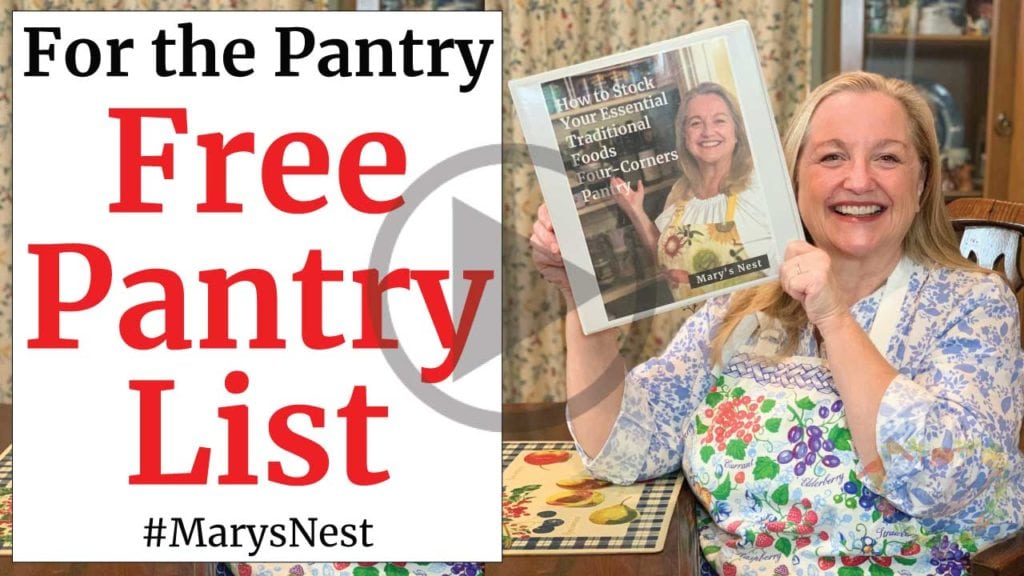
Download Your Free 36-Page Pantry List
For an extensive list of the traditional foods you can make and purchase to stock your pantry, be sure to download my free 36-page Traditional Foods Pantry List. This comprehensive eBook is full of links to recipe videos, helpful articles, and more!
Join the Traditional Foods Kitchen Academy
Are you looking for more traditional foods videos? If so, I invite you to join the Traditional Foods Kitchen Academy. Members of this optional paid YouTube community get access to exclusive videos and other members-only perks. Plus, your YouTube comments include a special members-only badge.
Kitchen Academy Videos
A Cozy Fall Kitchen: Cooking, Books, and Cherished Memories
Join me for a cozy fall visit filled with oven cooking, favorite books, and memories of my mother’s winter pantry preparations.
How to Mix Whole Grains for a Warm and Nourishing Porridge
Learn to mix oat groats, barley, and other whole grains for a warm, nourishing porridge with easy make-ahead tips and tasty toppings.
How Much of Each Natural Remedy Should You Make?
Use your family’s needs, past experience, and seasonal habits to decide how much to prepare for your Healing Pantry.
Stay in Touch with Mary’s Nest
- Subscribe to My YouTube Channel for Traditional Foods Videos (Free) - When you subscribe, be sure to click on the notification bell that will let you know each time I upload a new video.
- Subscribe to Mary’s Traditional Foods Newsletter (Free) - Get a free 36-page eBook for signing up: How to Stock Your Essential Traditional Foods Four-Corners Pantry.
- Join the Traditional Foods Kitchen Academy - For more detailed videos and exclusive members-only perks, join my YouTube membership community.
- Order The Modern Pioneer Cookbook - Get a hardcover book of Mary's nourishing recipes from a Traditional Foods Kitchen. This bestselling cookbook is published by Penguin Random House with their DK imprint.
- Order The Modern Pioneer Pantry - Get Mary's latest hardcover cookbook about preserving food and making delicious meals from your Four Corners Pantry. Mary's second cookbook is also published by Penguin Random House.
I look forward to having you join me in my Texas Hill Country Kitchen!
Shop for My Favorite Items
Favorite Kitchen Supplies
- Favorite Aprons
- Spice Grinder
- Countertop Burner (On my kitchen island in many recipe videos.)
- Handheld Vacuum Sealing System
- Vacuum Lids
- Whisk
- Silica Gel Packets (Helps keep moisture from building up in your mix)
- Cast Iron Dutch Oven
- 8-Quart Slow-Cooker
- Fat Separator (Clever kitchen device to help you decant bone broth)
- Flour Sack Towels
- pH Strips (Helps you check on the acidity of your vinegar)
Amazon Shop and Shopping Guide
- Visit Mary’s Nest Amazon Shop
- Get a 30-day Audible trial with a free audiobook
- Visit my Shopping Guide page
Get up to 15% off for stocking your Traditional Foods Pantry and equipping your Modern Pioneer Kitchen, including discounts from US Wellness Meats, Farmhouse Teas, Backwoods Home, Masontops, Cultures for Health, Survival Garden Seeds, Redmond Real Salt, and More!

I thank God for this Maslin Method of baking with whole grains. And, thank you too, Mary, for teaching it. I have had a Mockmill for about four years and I only use whole grains for bread making. But just not very good luck with making bread. Looking forward to learning this method!
Hi Helen,
Thanks for your kind comment. I love making fresh flour with my Mockmill too. I hope that you’ll find success and delicious bread with The Maslin Method. I look forward to bringing you more information and recipes using The Maslin Method in the future.
Love and God bless,
Mary