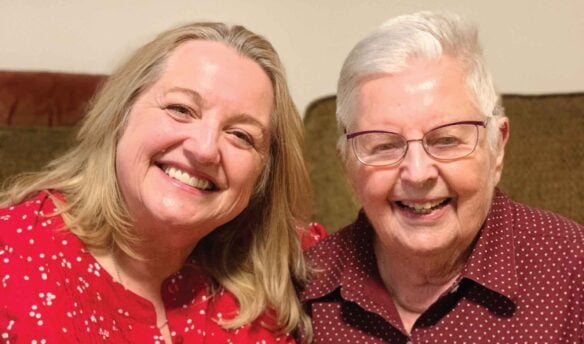
I couldn’t let this last day of October pass without visiting with you. I recently shared a little about Allhallowtide and how my sweet mother, Gloria, helped me appreciate these special days. Today, I thought we might linger over their meaning—and then head into the kitchen for homemade scones, clotted cream, and strawberry jam!
Put the kettle on, sweet friend, and let’s spend a little time together.

Affiliates note: As an Amazon Associate I earn from qualifying purchases. My content may contain affiliate links to products and services. If you click through and make a purchase, I’ll receive a small commission. It does not affect the price you pay.
Table of Contents
- Allhallowtide: Three Days of Faith, Remembrance, and Hope
- October 31: All Hallows’ Eve
- November 1: All Saints’ Day
- November 2: All Souls’ Day
- The Old Custom of Soul Cakes
- A Simple Scone for Our Table
- Easy but Authentic English Scones
- English Clotted Cream
- Old-Fashioned Strawberry Jam Without Store-Bought Pectin
- My Mother, a Cup of Tea, and a Love of Scones
- Grand Teton Ancient Grains
- Grind Your Own Flour with the Mockmill
- Backwoods Home and Self-Reliance
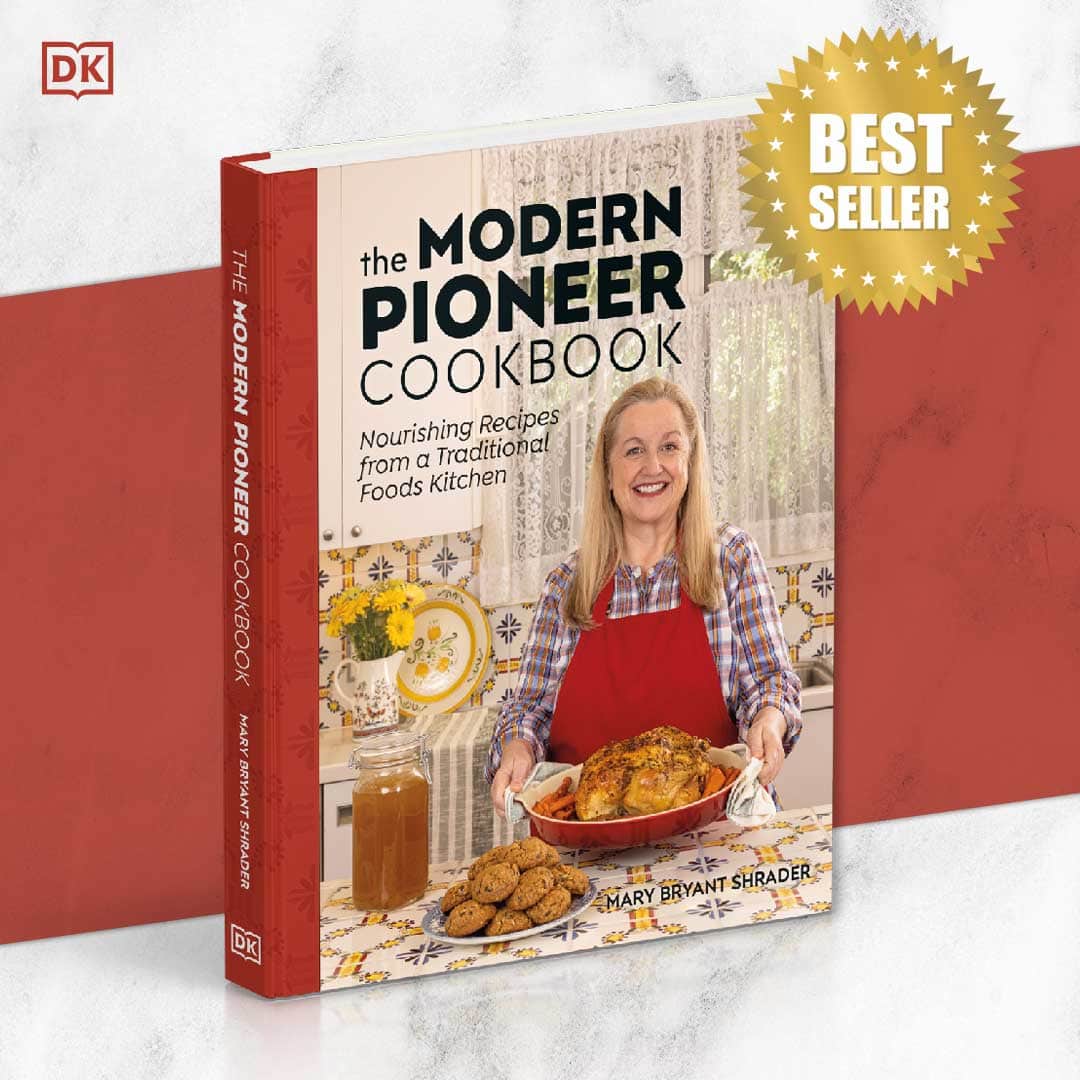
- The Modern Pioneer Cookbook
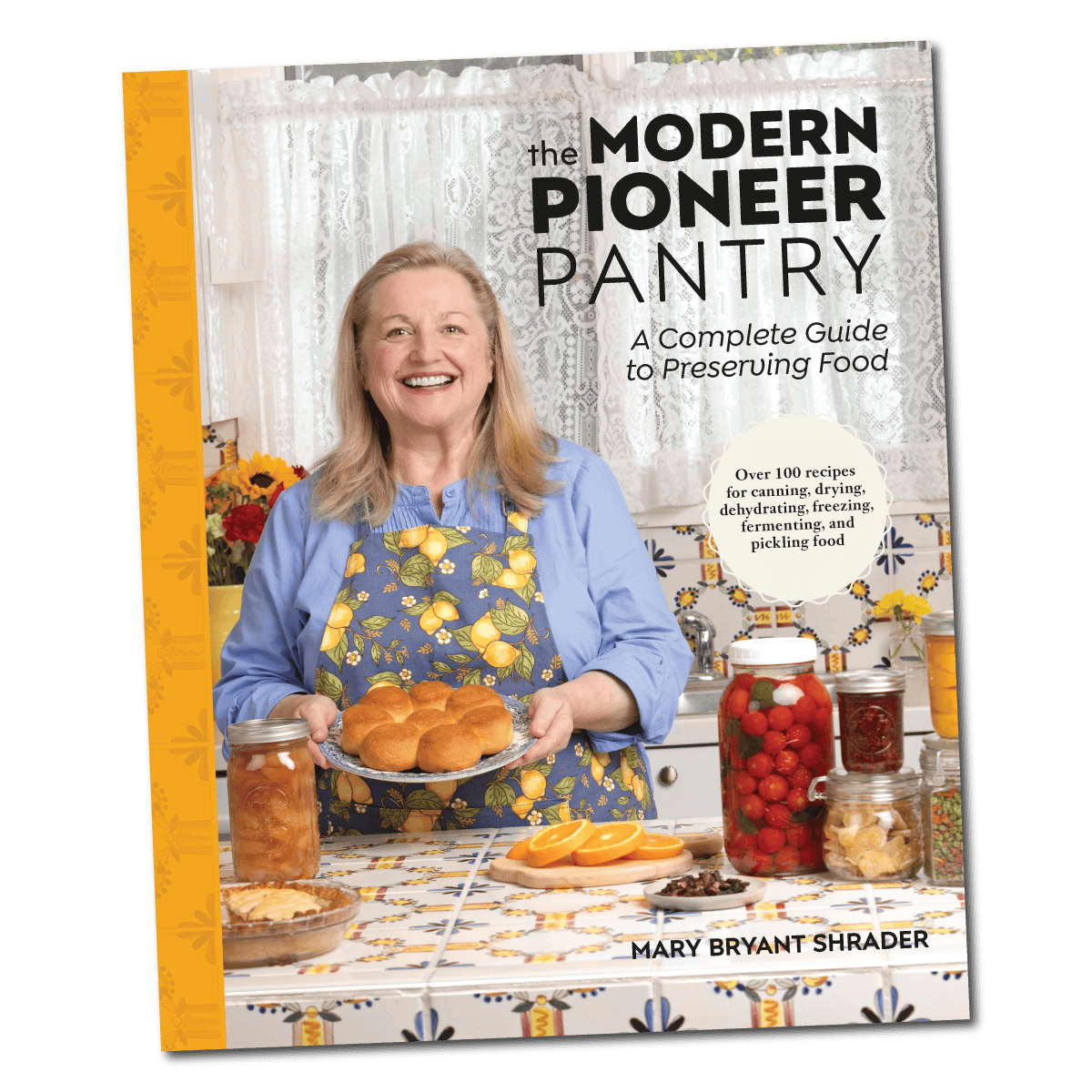
- The Modern Pioneer Pantry
- Start Your Traditional Foods Journey
- Download Your Free 36-Page Pantry List
- Join the Traditional Foods Kitchen Academy
- Kitchen Academy Videos
- Shop for My Favorite Items
Allhallowtide: Three Days of Faith, Remembrance, and Hope
With costumes, candy, and jack-o’-lanterns everywhere, it can be easy to overlook the Christian meaning preserved in the very name Halloween.
Hallow is an old word for a holy person or saint. All Hallows’ Eve is the evening before All Saints’ Day, and over time, that name became Hallowe’en, or Halloween.
Allhallowtide brings together three days:
- All Hallows’ Eve on October 31
- All Saints’ Day on November 1
- All Souls’ Day on November 2
You may hear this grouping called the Triduum of Allhallowtide, with “triduum” meaning a period of three days. It is a traditional way of describing these connected observances, similar to the three days, but distinct from the Catholic Church’s Easter Triduum of Good Friday, Holy Saturday, and Easter Sunday.
For me, these days offer an invitation to pause, remember those who have gone before us, and turn our hearts toward God.

October 31: All Hallows’ Eve
As to the eve of All Saints’ Day, October 31 can be a time of preparation and anticipation.
Alongside whatever autumn festivities your family enjoys, you might take a few quiet minutes to talk about a favorite saint or say a prayer together. If you have children or grandchildren visiting, this can be a lovely opportunity to explain that saints were real people who lived in different places and circumstances, yet shared a love for God.
We can begin with something very simple: Who is your patron saint? Is there a story about the life of a saint whose example has helped inspire you through a difficult season?
Those questions can open the door to a meaningful conversation around the kitchen table.
Learning from the Saints: Simple Ways to Love and Serve
Even if you aren’t Catholic, you may already know and admire some of the people we honor as saints. You might know St. Francis of Assisi for his love of God’s creation and care for the poor, St. Anthony of Padua for his preaching and compassion for those in need, or St. Joan of Arc as a courageous young woman whose faith shaped her place in history. St. Teresa of Calcutta, whom many know simply as Mother Teresa, is another familiar example, remembered for serving people living in profound poverty.
We may come from different faith traditions, but these lives can open a lovely conversation about courage, generosity, humility, and caring for our families and neighbors—and how we might practice those virtues in our own everyday lives.
And we can be comforted in the beautiful words from Mother Teresa that can help us remember where to focus our energies without feeling overwhelmed or that we can’t make a difference. We can actually play a very significant role in those close to us.
“Love begins by taking care of the closest ones—the ones at home.”

November 1: All Saints’ Day
On All Saints’ Day, Catholics honor all the saints in heaven—including the countless saints whose names we do not know.
I find that such a comforting thought. We naturally think of the saints whose names appear on churches or whose stories fill books. But this feast also celebrates those who lived holy lives quietly, without becoming widely known.
It reminds me that everyday faithfulness matters: caring for a family, tending someone who is ill, forgiving an offense, and doing the work before us with love.

November 2: All Souls’ Day
All Souls’ Day turns our attention especially toward prayer for the faithful departed. In Catholic belief, we pray for those undergoing purification before entering the fullness of heavenly life.
The observance has a long history. Around the turn of the eleventh century, St. Odilo, the Benedictine abbot of Cluny in France, established a commemoration of the faithful departed in the monasteries under his care. The practice gradually spread more widely through the Church.
We might observe the day by attending Mass, visiting a loved one’s grave, or offering prayers at home.
It is also a tender opportunity to speak the names of those we miss. Tell a grandchild about a great-grandparent. Bring out a photograph. Remember a kindness that has stayed with you through the years.
And perhaps prepare something that once appeared on that loved one’s table.

The Gift of Remembering
My son Benjamin once shared a thought with me that has stayed close to my heart. He said that some ancient cultures thought that a person dies twice: once when they leave this world, and again when someone speaks their name for the very last time.
As a wife, a mother and a daughter, that gave me so much to think about.
Our faith reminds us that a person’s life with God does not depend on whether anyone on earth remembers their name. But here among those of us still gathered around the family table, remembering is a beautiful act of love. It helps future generations come to know the people whose lives helped shape their own.
That is why I believe it matters to say their names. To tell their stories. To explain whose handwriting is on an old recipe card or who is smiling in a faded photograph.
Keeping Our Loved Ones’ Memories Alive, One Story at a Time
When I tell you about my mother, Gloria, and her love of tea and homemade scones, I am sharing a little of who she was. And when I share those same memories with Ben, I give him something he can carry forward and someday pass along.
We don’t have to preserve every detail of a life to share something precious. Sometimes it is enough to say, “Your grandmother used to make this,” and let the conversation unfold from there.
During these days of Allhallowtide, perhaps we can make a little room for those conversations. Say a loved one’s name. Offer a prayer for them. Tell a story that makes someone smile.
And if you can, write that story down. Someday, someone who never had the blessing of knowing them may be very grateful that you did.

The Old Custom of Soul Cakes
Food has long had a place in these days of remembrance.
In England, the old custom of “souling” involved people visiting homes around All Saints’ Day and All Souls’ Day to sing or ask for food. Small baked goods known as soul cakes were associated with remembrance of the dead and prayers for departed loved ones.
What touches me about this custom is the connection between prayer and generosity. A household shared something from its kitchen, and the departed were remembered.
There is something very familiar about that, isn’t there? So many of us express love by feeding someone.

A Simple Scone for Our Table
I don’t have a soul cake recipe to share with you today, but I do have a simple English scone recipe that would make a lovely treat for an Allhallowtide tea.
These scones are my suggestion for our own tables, rather than a recreation of historical soul cakes. We can enjoy them in that same spirit of hospitality, sharing, and loving remembrance.
Make a pot of tea, set out a few scones, and invite someone to sit with you. Perhaps take a little plate to a neighbor who lives alone. Or enjoy a quiet teatime while remembering someone dear to you.
You don’t need an elaborate gathering. A little time and a welcoming table are a beautiful beginning.
Easy but Authentic English Scones
These homemade English scones are a lovely place to begin if you’re new to scone baking. In the video, I walk you through the recipe and show you the techniques that help bring the dough together.
They also freeze beautifully, so you can bake ahead and have something special ready for another afternoon. A batch tucked away in the freezer is such a comfort when company comes!

English Clotted Cream
Where would a good scone be without its clotted cream?
This rich, creamy accompaniment makes a homemade scone feel especially festive. It takes some planning ahead, but the preparation is surprisingly simple—and a little spoonful adds so much to teatime.

Old-Fashioned Strawberry Jam Without Store-Bought Pectin
For the finishing touch, add a little homemade strawberry jam.
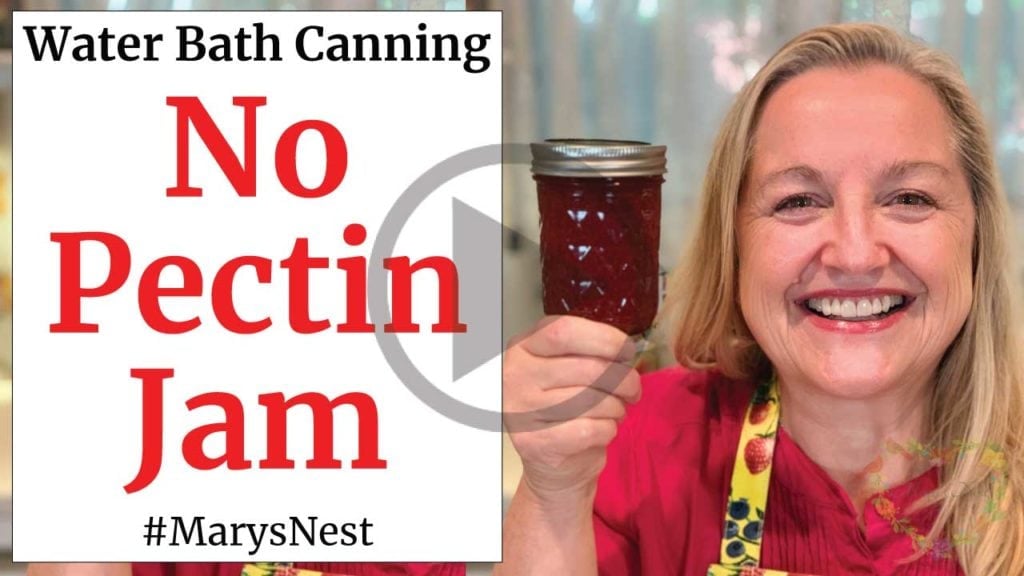
My recipe is made without store-bought pectin, and the accompanying video includes a water bath canning tutorial. Its bright strawberry flavor is a lovely partner for a tender scone and rich clotted cream.
There’s something so cheerful about opening a jar of strawberry jam on an autumn afternoon!
My Mother, a Cup of Tea, and a Love of Scones
Whenever I sit down with tea and a homemade scone, I think of my sweet mother, Gloria.
My mom was of northern Italian heritage, but she had always loved tea. She enjoyed hers black, without milk—the way she liked it at home and during her visits to Ireland.
My father was of Irish ancestry, and when they traveled to Ireland together, he brought her to various pubs where she enjoyed homemade scones with clotted cream and jam.
Well, those scones made quite an impression!
Bringing a Taste of Ireland Home
And my mother did what so many of us who love to cook would do: she asked for the recipes.
The Irish ladies she met were more than happy to share their particular family versions. When my parents returned to the United States, my mother brought home a little collection of scone recipes, and before long, scones began making regular appearances on our table.
Some of the best scones I have ever eaten came from her kitchen.

An Unexpected Place for Wonderful Scones
But I have to tell you about another place where I found wonderful scones—a place you might not expect.
The café at the Imperial War Museum in London!
The museum itself has a fascinating history. Its London home opened in 1936 in the surviving central portion of the former Bethlem Royal Hospital. So if you have visited and thought the building looked as though it had another story to tell, you were quite right.
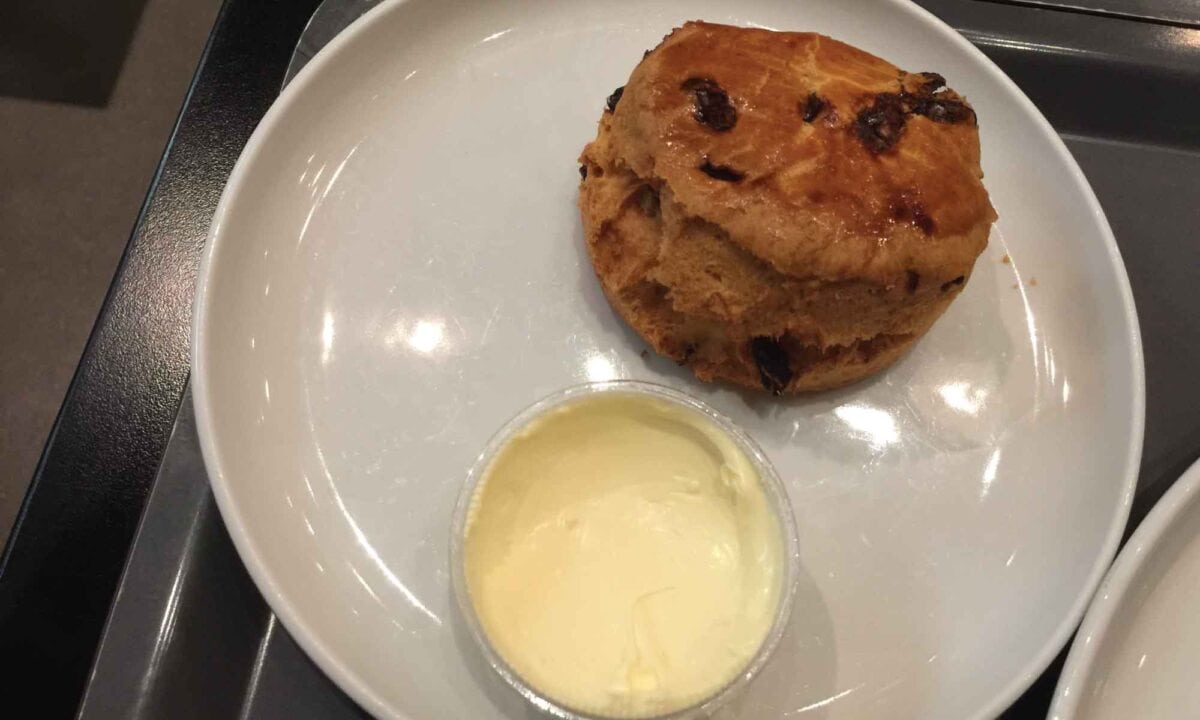
When Ted, our son, and I visited, we discovered that a memorable day at the museum could also include a very memorable teatime. Those scones were such a delicious surprise!
And, taking a page from my mother’s book, I asked my sweet friends across the pond for help. They generously sent a recipe, and that is the one I share with you in my scones video.
When I filmed it, I was still finding my way as a scone baker. My hope was to pass along both the recipe and the techniques that helped me come closer to those wonderful scones from my mother’s kitchen and our visit to London.
Remembering Loved Ones Through Their Recipes
That is one of the things I love most about sharing recipes. A kindness offered in one kitchen can travel a very long way.
My mother brought recipes home from Ireland. Friends helped me bring a taste of England into my Texas kitchen. And now I get to share that same pleasure with you.
As we move through these days of remembrance, perhaps you’ll find yourself thinking of someone whose cooking you loved. If you have one of their recipes, this might be a lovely time to make it.
And if you don’t, you can still tell their story.
Sometimes a cup of tea, and even a simple store-bought cookie, coupled with a loving memory, are enough to make an ordinary afternoon feel very special. 😊
Grand Teton Ancient Grains
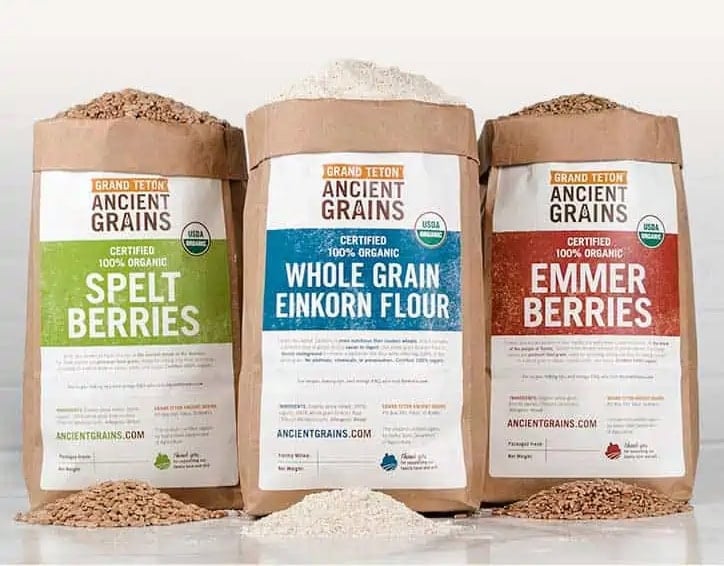
Check out the organic berries and flours available from Grand Teton Ancient Grains. I love their high-quality Einkorn, Emmer, Spelt, Millet, and more you can get to create nutritious and delicious baked goods.
Exclusive Newsletter Discount Code
Sign up for my Mary’s Nest newsletter for an exclusive discount code you can use on your order of berries and flours. This discount is available for a limited time, so be sure to stock up on the Ancient Grains you would enjoy using to bake delightful breads, desserts, and more.
And if you’re looking for a grain mill to make fresh flour from your wheat berries, I recommend the Mockmill electric grain grinder. (See below.)
Grind Your Own Flour with the Mockmill
When it comes to electric grain mills, after I did A LOT of research, I decided to buy a Mockmill. And am I so happy I did! The Mockmill is a very affordable but beautifully crafted German-made mill that stone grinds grain with settings ranging from 1 to 10—fine to coarse ground grain.
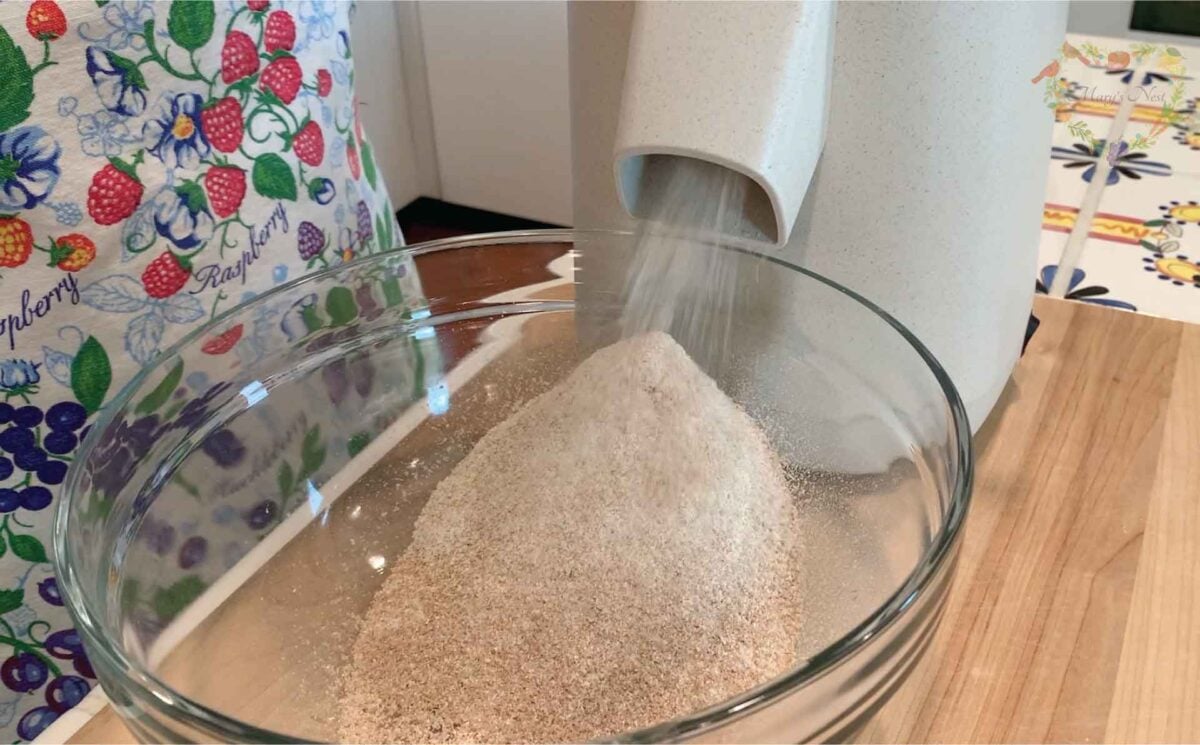
Learn more about Mockmill electric grain mills for making fresh flour and their Flake Lover’s Flaker that flakes whole grain in minutes. (This is not a sponsored post. I bought the Mockmill products that I show you, and I’m a happy user of their devices in my kitchen.)
- Get the Mockmill 100 Stone Grain Mill (Same product I show you in my unboxing video.)
- Mockmill 100 Grain Mill unboxing
- Flake Lover’s Flaker from Mockmill in action (Using this device, you can flake whole grain in minutes.)
Backwoods Home and Self-Reliance
The Backwoods Home and Self Reliance printed magazines are two of our favorite publications, especially since they deal with topics of interest to traditional foods cooks and modern pioneers.
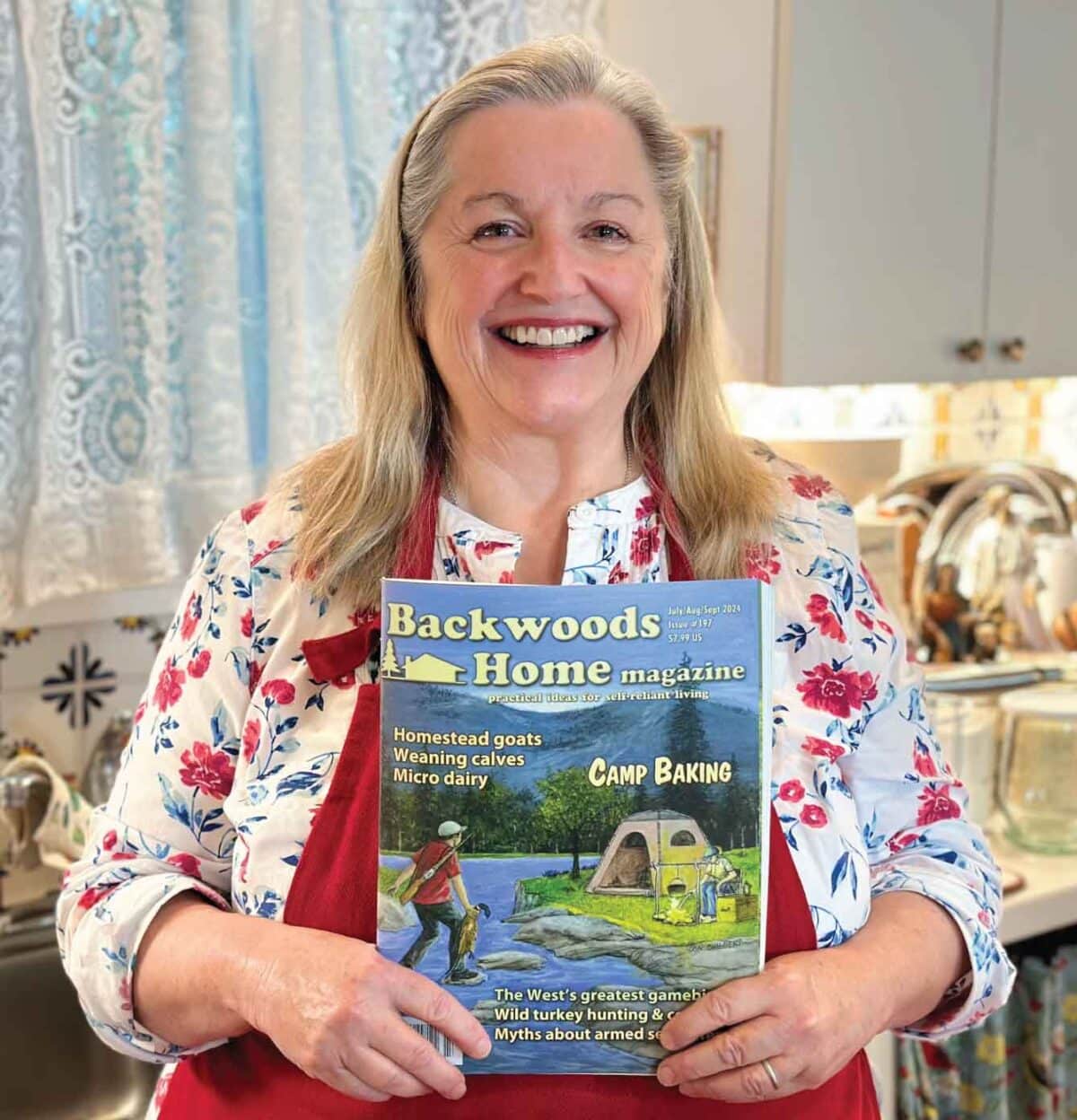
- Special Offer: The publisher of Backwoods Home and Self Reliance is offering my sweet friends 50% off subscriptions to their printed magazines. This is not a sponsored post. I love these publications, and I’m grateful you can get them at a discount.
Order YOUR COPY Now!
The Modern Pioneer Cookbook
Seasonal ingredients, traditional techniques, and nourishing recipes. Over 85 traditional, from-scratch recipes! Discover for yourself how you can use simple ingredients and traditional techniques to cook the modern pioneer way.
Order YOUR COPY Now!
The Modern Pioneer Pantry
Simple ingredients, timeless techniques, and a well-stocked pantry. Discover over 100 nourishing recipes to preserve food and turn pantry staples into homemade meals. Build a wholesome, traditional pantry—just like a modern pioneer!
Start Your Traditional Foods Journey
Sharing my passion for traditional cooking goes beyond my YouTube cooking school—it also comes to life in the pages of my cookbooks. Both of my books, The Modern Pioneer Cookbook and The Modern Pioneer Pantry, are proudly published by Penguin Random House.
The first is filled with time-honored recipes to help you create a traditional foods kitchen, while the second is your complete guide to home food preservation. Order both books today to start or continue your traditional foods journey.
Download Your Free 36-Page Pantry List
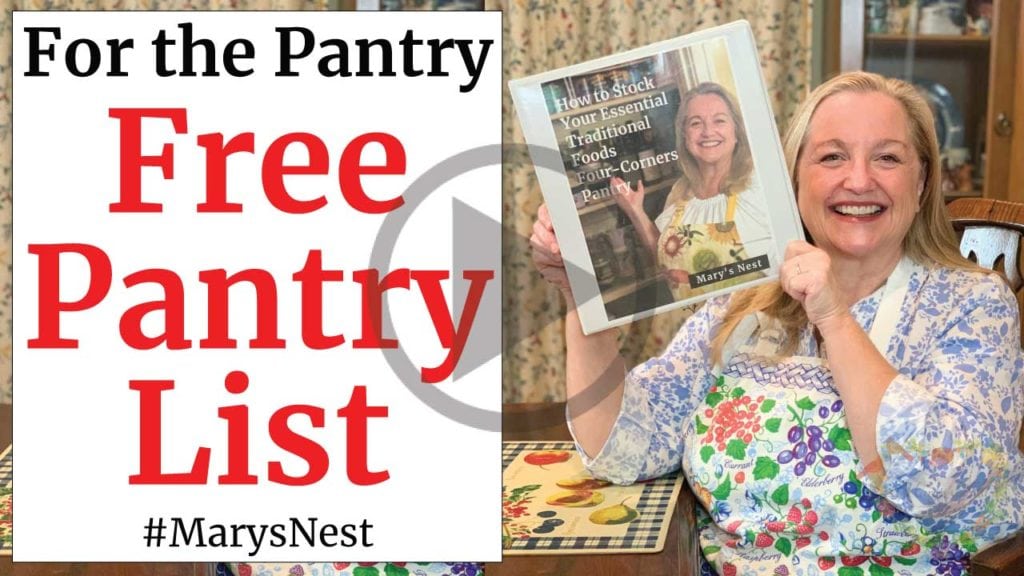
For an extensive list of the traditional foods you can make and purchase to stock your pantry, be sure to download my free 36-page Traditional Foods Pantry List. This comprehensive eBook is full of links to recipe videos, helpful articles, and more!
Join the Traditional Foods Kitchen Academy
Are you looking for more traditional foods videos? If so, I invite you to join the Traditional Foods Kitchen Academy. Members of this optional paid YouTube community get access to exclusive videos and other members-only perks. Plus, your YouTube comments include a special members-only badge.
Kitchen Academy Videos
A Cozy Fall Kitchen: Cooking, Books, and Cherished Memories
Join me for a cozy fall visit filled with oven cooking, favorite books, and memories of my mother’s winter pantry preparations.
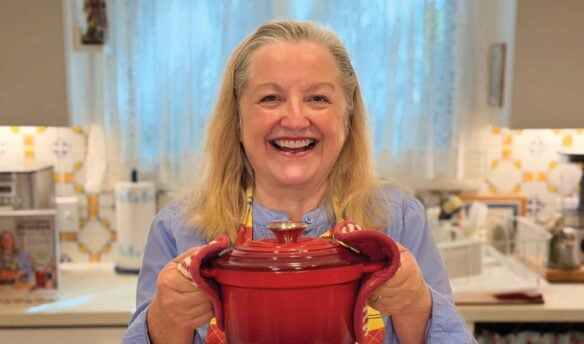
How to Mix Whole Grains for a Warm and Nourishing Porridge
Learn to mix oat groats, barley, and other whole grains for a warm, nourishing porridge with easy make-ahead tips and tasty toppings.
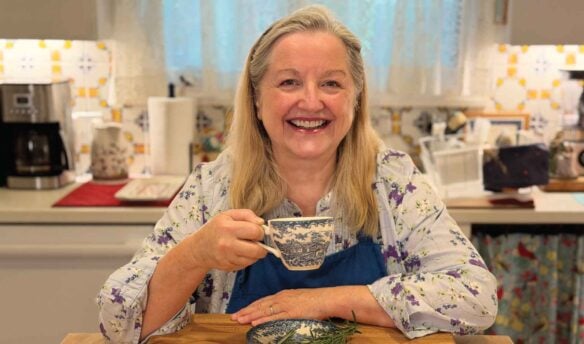
How Much of Each Natural Remedy Should You Make?
Use your family’s needs, past experience, and seasonal habits to decide how much to prepare for your Healing Pantry.
Stay in Touch with Mary’s Nest
- Subscribe to My YouTube Channel for Traditional Foods Videos (Free) - When you subscribe, be sure to click on the notification bell that will let you know each time I upload a new video.
- Subscribe to Mary’s Traditional Foods Newsletter (Free) - Get a free 36-page eBook for signing up: How to Stock Your Essential Traditional Foods Four-Corners Pantry.
- Join the Traditional Foods Kitchen Academy - For more detailed videos and exclusive members-only perks, join my YouTube membership community.
- Order The Modern Pioneer Cookbook - Get a hardcover book of Mary's nourishing recipes from a Traditional Foods Kitchen. This bestselling cookbook is published by Penguin Random House with their DK imprint.
- Order The Modern Pioneer Pantry - Get Mary's latest hardcover cookbook about preserving food and making delicious meals from your Four Corners Pantry. Mary's second cookbook is also published by Penguin Random House.
I look forward to having you join me in my Texas Hill Country Kitchen!
Shop for My Favorite Items
Favorite Kitchen Supplies
- Favorite Aprons
- Spice Grinder
- Countertop Burner (On my kitchen island in many recipe videos.)
- Handheld Vacuum Sealing System
- Vacuum Lids
- Whisk
- Silica Gel Packets (Helps keep moisture from building up in your mix)
- Cast Iron Dutch Oven
- 8-Quart Slow-Cooker
- Fat Separator (Clever kitchen device to help you decant bone broth)
- Flour Sack Towels
- pH Strips (Helps you check on the acidity of your vinegar)
Amazon Shop and Shopping Guide
- Visit Mary’s Nest Amazon Shop
- Get a 30-day Audible trial with a free audiobook
- Visit my Shopping Guide page
Get up to 15% off for stocking your Traditional Foods Pantry and equipping your Modern Pioneer Kitchen, including discounts from US Wellness Meats, Farmhouse Teas, Backwoods Home, Masontops, Cultures for Health, Survival Garden Seeds, Redmond Real Salt, and More!