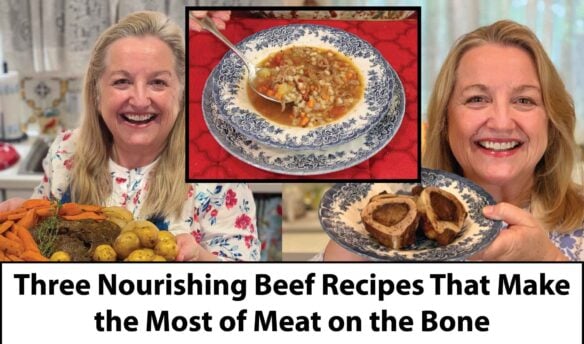
One of the greatest lessons I’ve learned from traditional cooking is that eating well doesn’t have to mean spending more money—or spending all day in the kitchen! In fact, some of the most nourishing foods we can prepare are also some of the most economical. Dried beans, whole grains, homemade broths, soups, stews, and simple pantry meals have fed families well for generations.
And while traditional foods sometimes require a little planning ahead, that doesn’t necessarily mean more work. Quite often, we spend a few minutes soaking something, putting ingredients into a pot, or getting a slow cooker started…and then we walk away. The food does most of the work for us! Traditional food is slow food—but very often, it’s wonderfully hands-off food for the busy homemaker.
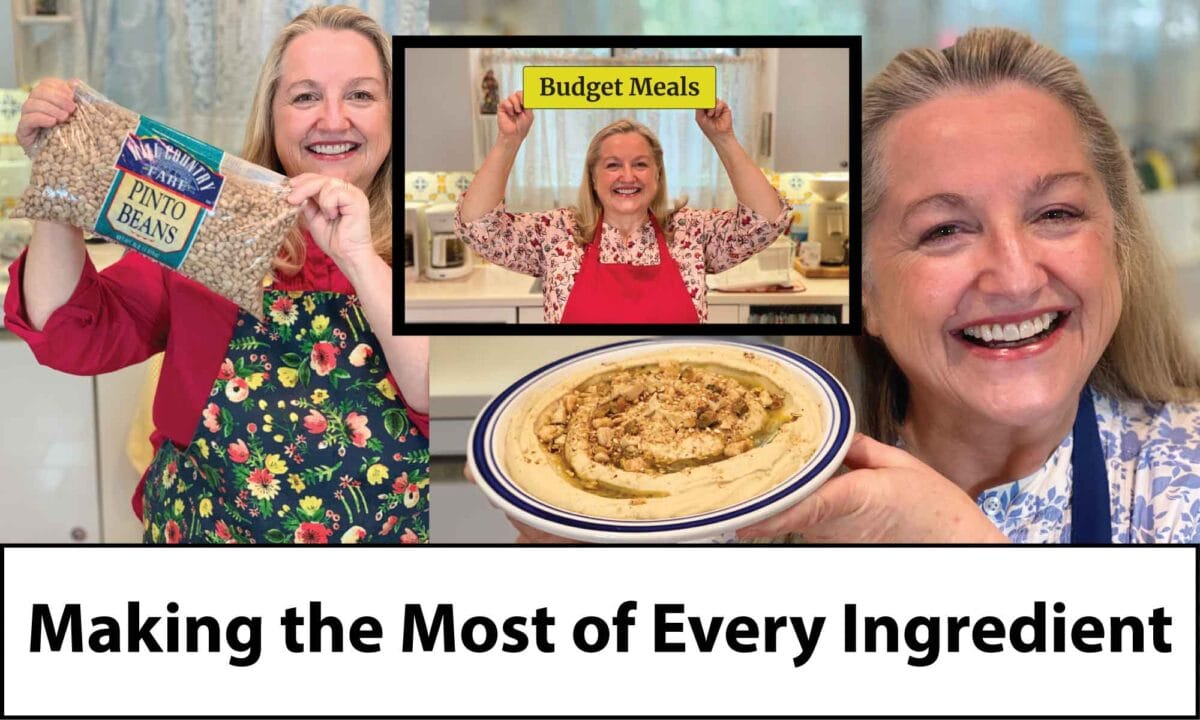
In this post, I share a few ways we can stretch our grocery dollars, make more of what we eat homemade, and get every bit of goodness we can from the ingredients we bring into our kitchens.
Affiliates note: As an Amazon Associate I earn from qualifying purchases. My content may contain affiliate links to products and services. If you click through and make a purchase, I’ll receive a small commission. It does not affect the price you pay.
Table of Contents
- Stretch Your Meals with Simple Pantry Staples
- The Humble Dried Bean—One of the Best Bargains in the Pantry
- Turn Those Chickpeas into Homemade Hummus
- Waste Not, Want Not
- Turning Leftovers Into Tomorrow’s Meal
- What Can I Make With What I Already Have?
- Becoming Resourceful in the Kitchen
- The Old-Fashioned Wisdom of Wasting Less
- Redmond Real Salt
- Backwoods Home and Self-Reliance
- Mother Earth News
- The Modern Pioneer Cookbook
- The Modern Pioneer Pantry
- Start Your Traditional Foods Journey
- Download Your Free 36-Page Pantry List
- Join the Traditional Foods Kitchen Academy
- Kitchen Academy Videos
- Shop for My Favorite Items
Stretch Your Meals with Simple Pantry Staples
One of the easiest ways to lower your grocery bill is to learn how to use what I call meal extenders. These are humble pantry staples—including beans, lentils, rice, pasta, oats, mushrooms, and potato flakes—that can help us stretch more expensive ingredients while still putting a generous and satisfying meal on the table.
In my Top 7 Meal Extenders for Budget Meals and How to Use Them blog post, I share lots of practical ideas, including ways to stretch meat in everyday recipes and even make a crowd-feeding spaghetti and meatball dinner using just a half pound of ground beef.
And be sure to watch the accompanying video, where I show you these meal extenders and demonstrate how easy they are to put to work in your own traditional foods kitchen.

The Humble Dried Bean—One of the Best Bargains in the Pantry
When it comes to economical traditional foods, it’s hard to beat the humble dried bean. A bag of dried beans can become soups, stews, side dishes, dips, spreads, and even a wonderful way to stretch meat. And once cooked, beans can be portioned and refrigerated or frozen so you have your own convenient homemade alternative to canned beans ready when you need them.
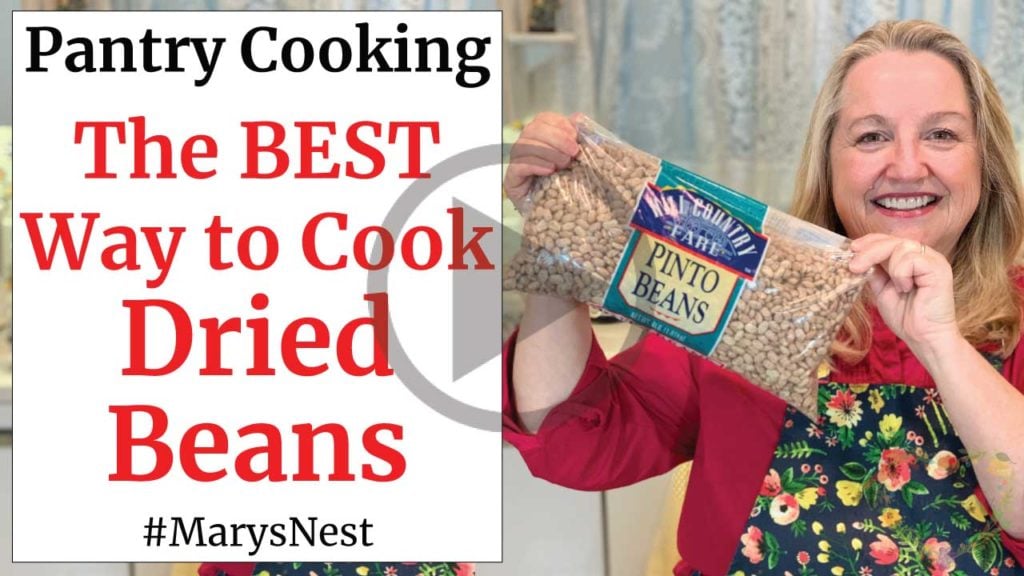
In How to Cook Dried Beans – The Right Way, I show you how I prepare dried beans using traditional soaking methods before cooking them. And here’s another perfect example of traditional food being slow food without being labor-intensive: most of the preparation time is simply waiting while the beans soak. Once they’re ready, the actual hands-on work is minimal.
This blog post also has an accompanying recipe video, so if you’re new to working with dried beans—or perhaps you haven’t cooked them in a while—I’ll walk you through the process step by step.
Turn Those Chickpeas into Homemade Hummus
Once you’re comfortable cooking dried beans, you suddenly have a whole new world of economical homemade foods at your fingertips—and chickpeas are one of my favorites!
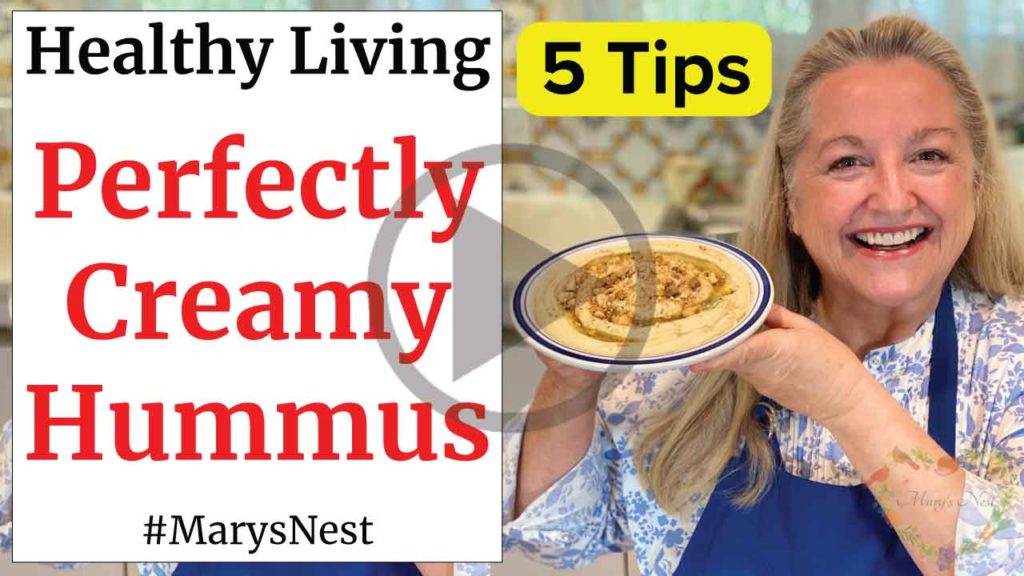
In How to Make Perfectly Creamy Hummus – Better Than Store-Bought, I share my tips for turning inexpensive chickpeas into wonderfully smooth and creamy hummus. You’ll also learn how to make a delicious topping made with toasted nuts, seeds, and spices that adds wonderful flavor and texture. And yes, you can watch me make everything from start to finish in the accompanying video.
Waste Not, Want Not
When I think about making food affordable, my mind often goes back to the kitchens of earlier generations. There was a very different attitude toward food than what many of us grew accustomed to during years when groceries seemed plentiful and relatively inexpensive.
An ingredient came into the kitchen for a reason. And we used all of it!
Maybe it came home in a brown paper bag from the grocery store. Maybe we bought it from a farmer at a roadside stand or farmer’s market. Or maybe we walked out our own back door and picked it straight from the garden.
However it arrived, we treated it as something valuable.
Turning Leftovers Into Tomorrow’s Meal
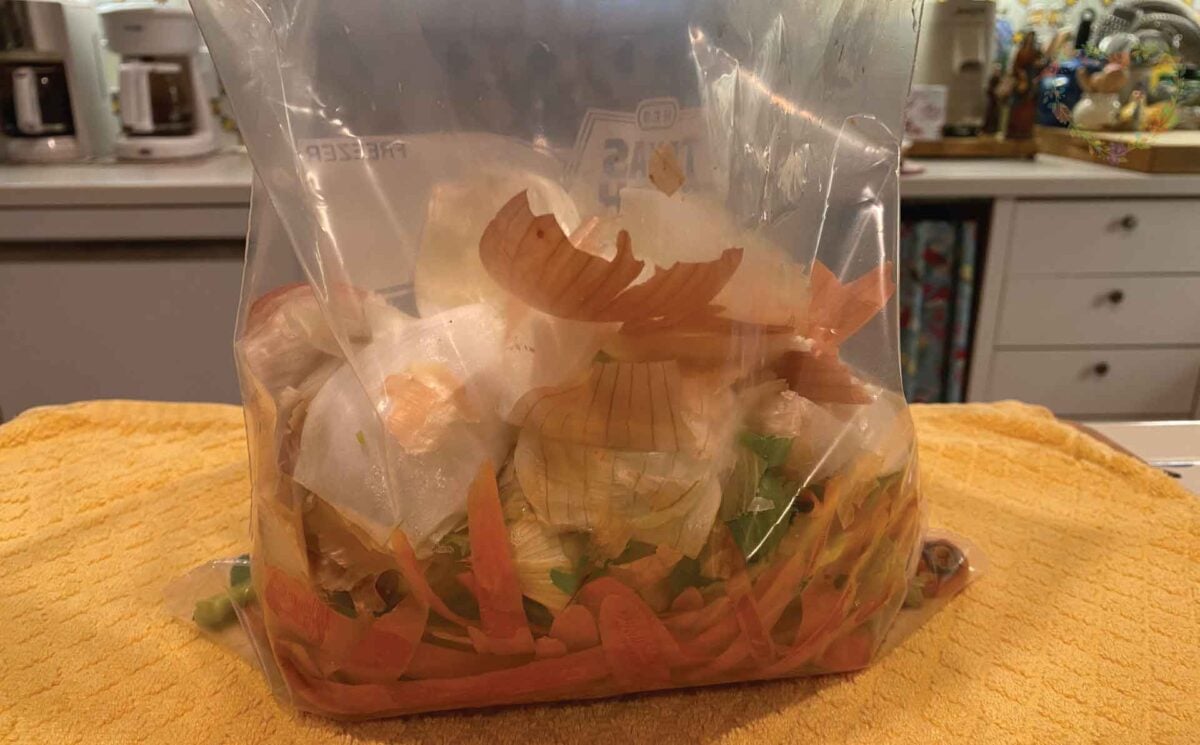
A roast chicken wasn’t simply Sunday dinner. The leftover meat might become sandwiches or chicken salad on Monday. The bones went into a stockpot. A few tired carrots, an onion end, parsley stems, or celery leaves might join them. And suddenly, what could have been discarded became the beginning of another meal.
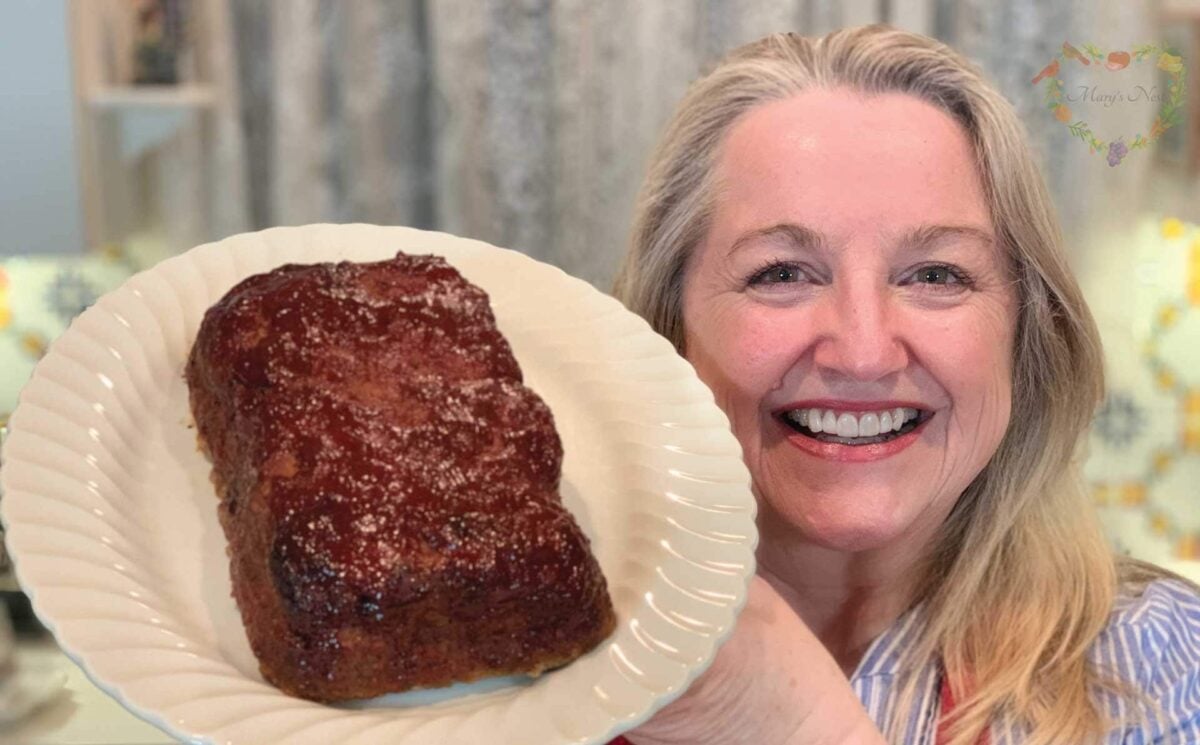
Stale bread wasn’t necessarily stale bread. It was tomorrow’s breadcrumbs, croutons, bread pudding, stuffing, or something to help stretch a meatloaf.
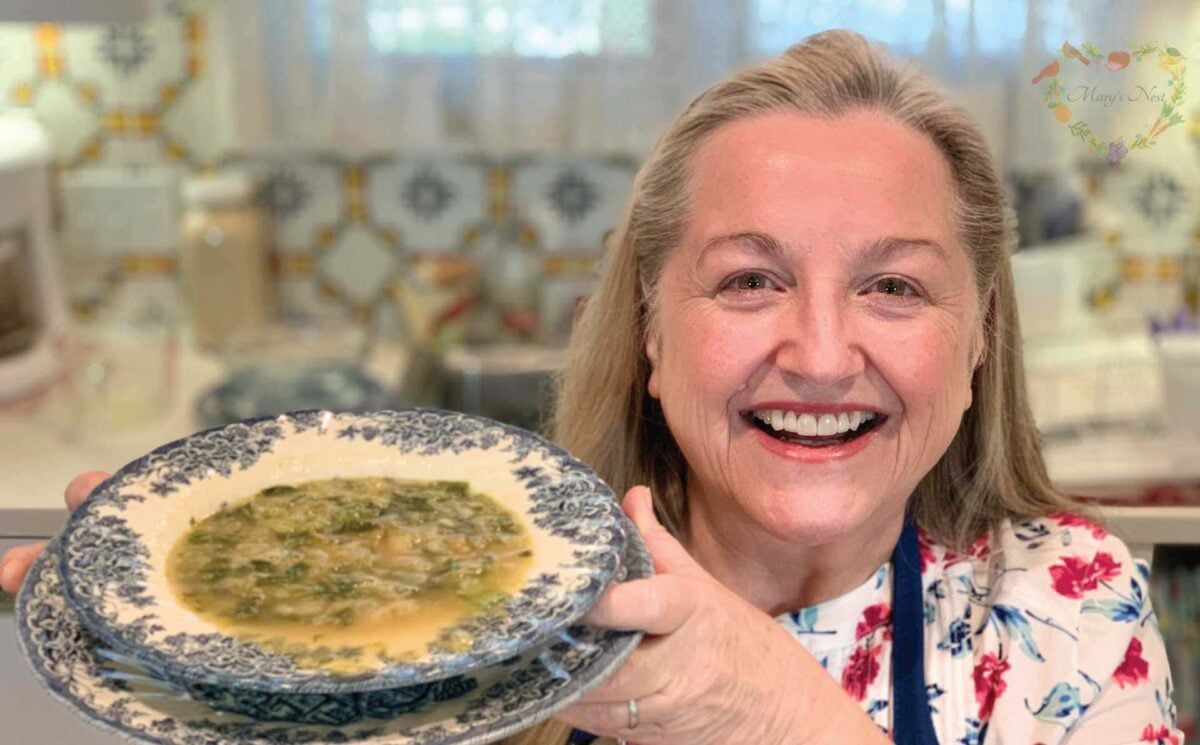
Cooked beans left from dinner might become a soup, like Italian Minestra, the following day—or be mashed and tucked into another meal.
Vegetables certainly have more to give us than the perfectly trimmed portions we put on our dinner plates. Broccoli stems can be peeled and cooked. Beet greens can be sautéed. Carrot tops can sometimes find their way into pesto. Bits and pieces that aren’t appropriate for one dish might still contribute flavor to another.
Sometimes, the meal we think we don’t have is hiding in the scraps we think we don’t need.
What Can I Make With What I Already Have?
That little bit of wisdom has become increasingly important as we learn how to be thrifty home cooks. We may not be able to control what everything costs when we walk into the supermarket, but we can control what happens once those groceries come through our kitchen door.
- We can learn to cook dried beans instead of always buying them prepared.
- We can turn yesterday’s bread into breadcrumbs instead of buying a container of them.
- We can make broth from bones and vegetable scraps.
- We can transform chickpeas into hummus and make other homemade snacks.
- We can stretch a smaller amount of meat with beans, lentils, mushrooms, oats, or other pantry staples.
And perhaps most importantly, we can learn to look into our refrigerators and pantries and ask ourselves: What can I make with what I already have?
Becoming Resourceful in the Kitchen
That simple question can save an amazing amount of money over the course of a month—and certainly over the course of a year. There’s also something deeply satisfying about it.
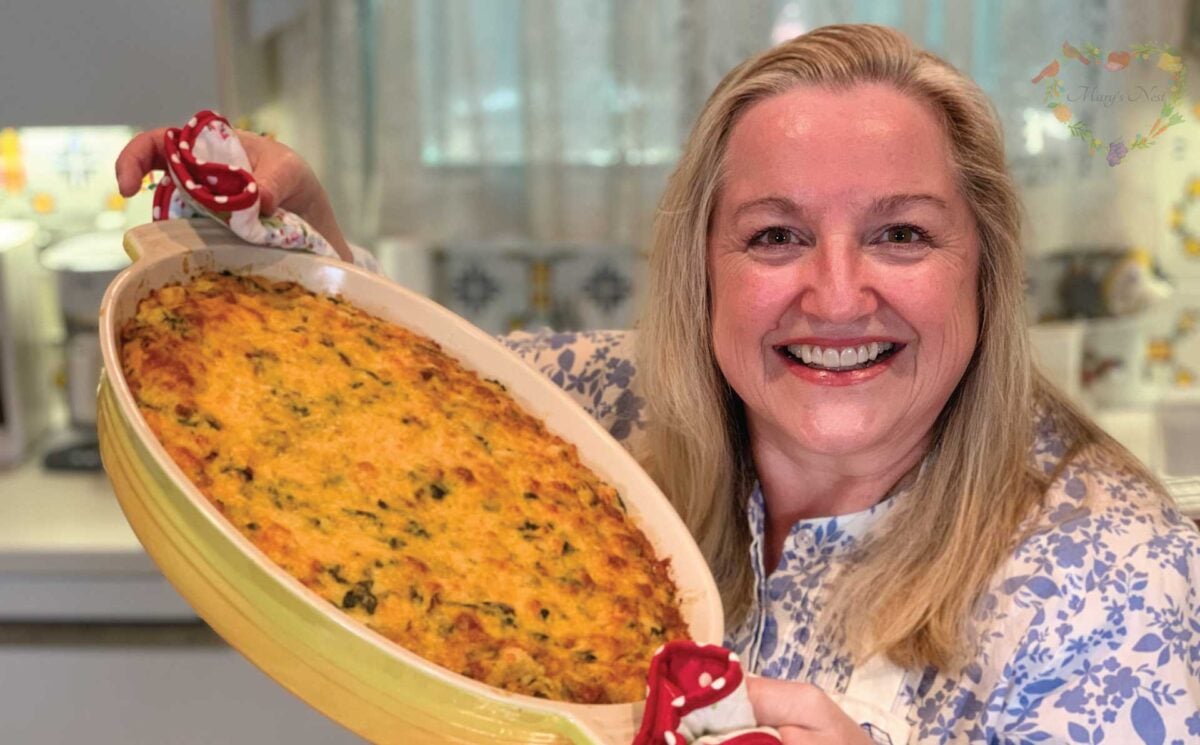
When you take what looks like “nothing” and turn it into soup…when you pull a bag of chicken carcasses from the freezer and make beautiful broth…when a handful of leftover vegetables becomes a frittata or a strata…or when yesterday’s bread becomes part of tonight’s dinner, you begin to develop a different relationship with your food.
You become resourceful. You look at every scrap of food twice and think, “What can I make with this?”, before throwing anything into the garbage or sending it to the compost pile.
And that, sweet friend, is at the very heart of being a Modern Pioneer in the Kitchen.
The Old-Fashioned Wisdom of Wasting Less
Our ancestors didn’t necessarily call what they were doing “zero waste” or “budget cooking.” They were simply making the most of what they had. And I think there’s a great deal of wisdom in returning to that way of thinking today.
So the next time you’re about to toss something into the compost—or worse, the trash—take one more look at it. You just might be holding the beginnings of your next meal.
Here’s to making good food, wasting less, stretching our grocery dollars, and making the most of every blessing that comes into our kitchens!
- Learn more: If you’d like even more inspiration, I have an entire video playlist devoted to making meals from scraps, where I’ll show you just how delicious a little kitchen resourcefulness can be.
Redmond Real Salt
When it comes to using salt in my recipes, I always like to use a real salt that has not been processed and does not contain any extra added chemicals or anti-caking agents. Redmond real salt is perfect!
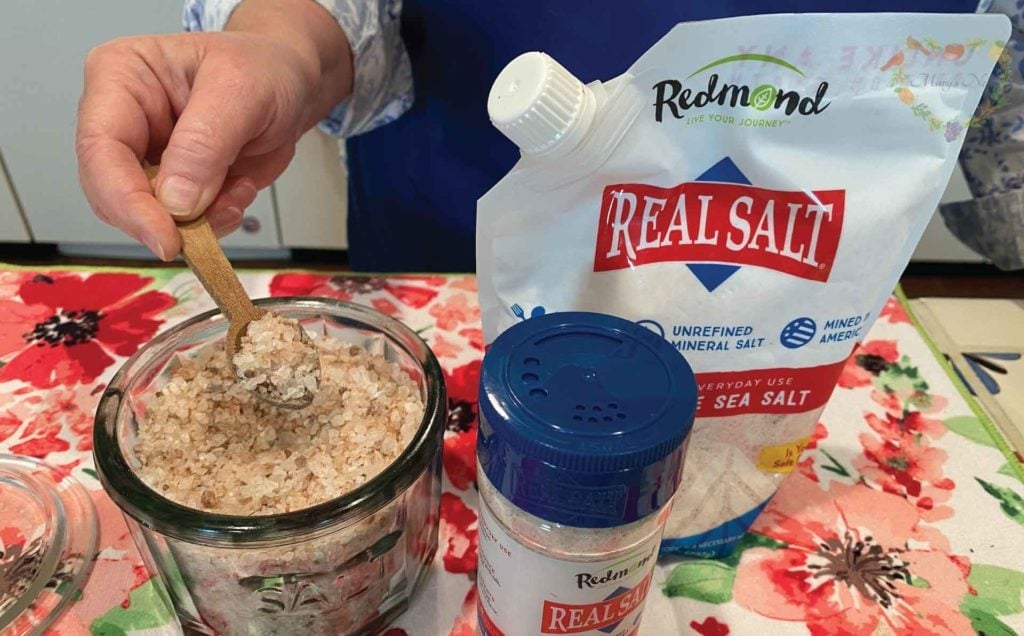
- Redmond Real Life – For Real Salt and other products, use this link and discount code MARYSNEST for 15% off your purchase. (Discount will show at checkout.)
Backwoods Home and Self-Reliance
The Backwoods Home and Self Reliance printed magazines are two of our favorite publications, especially since they deal with topics of interest to traditional foods cooks and modern pioneers.
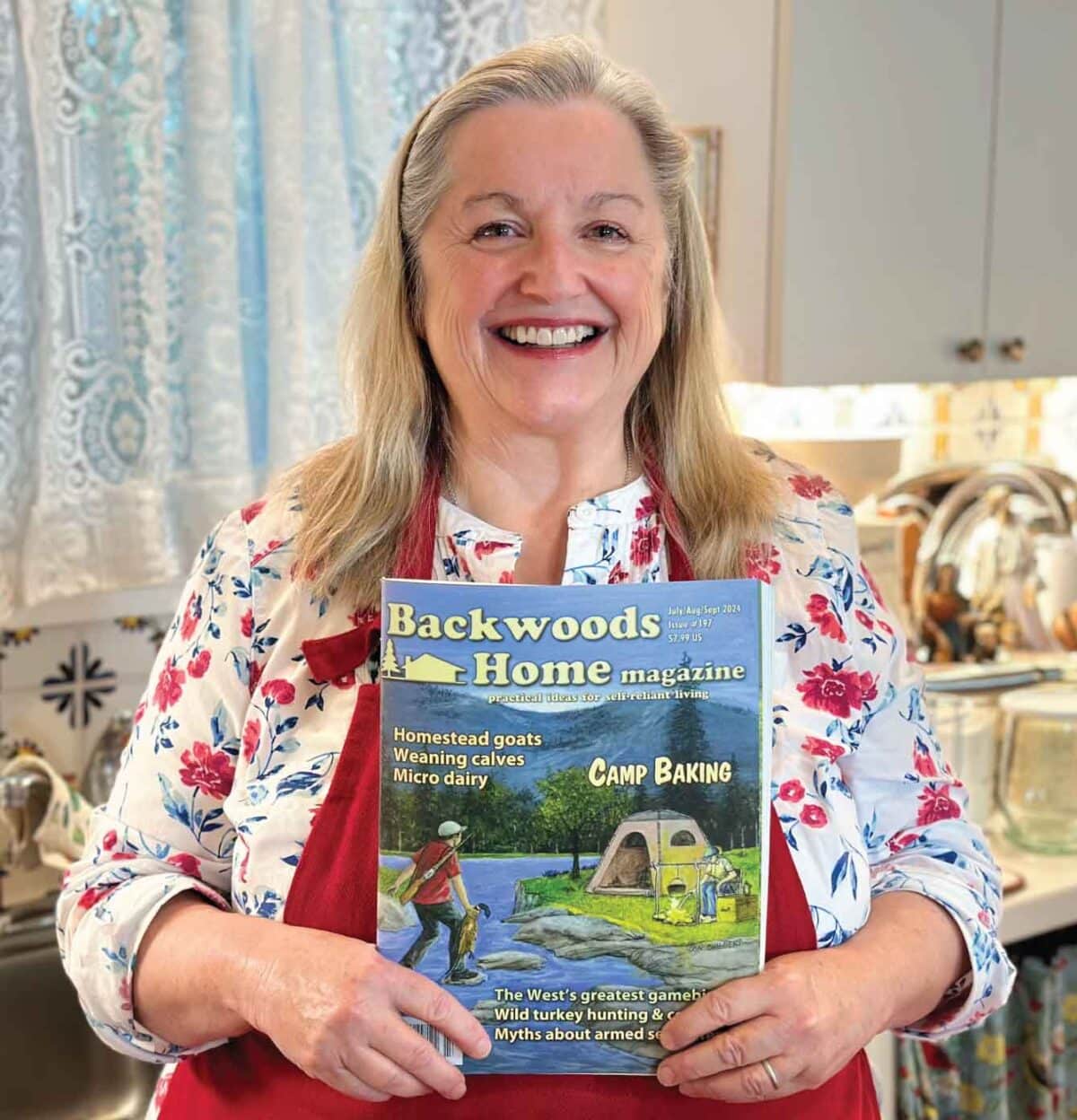
- Special Offer: The publisher of Backwoods Home and Self Reliance is offering my sweet friends 50% off subscriptions to their printed magazines. This is not a sponsored post. I love these publications, and I’m grateful you can get them at a discount.
Mother Earth News
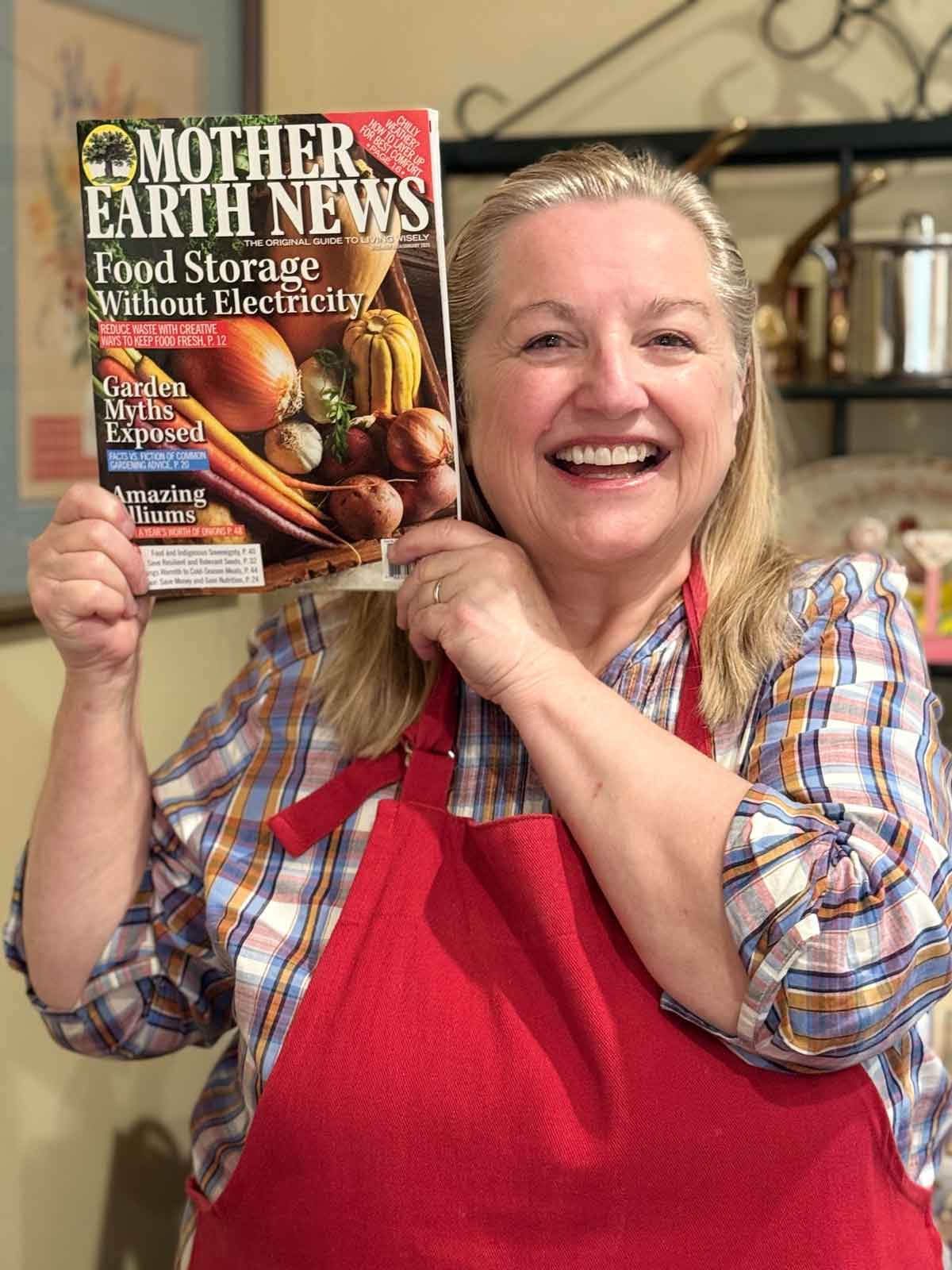
- Use any of the following links and code MarysNest10 at checkout to save $10 off any $50+ order of books, subscriptions, and more:
🛒 Order any of these publications from the Mother Earth News store
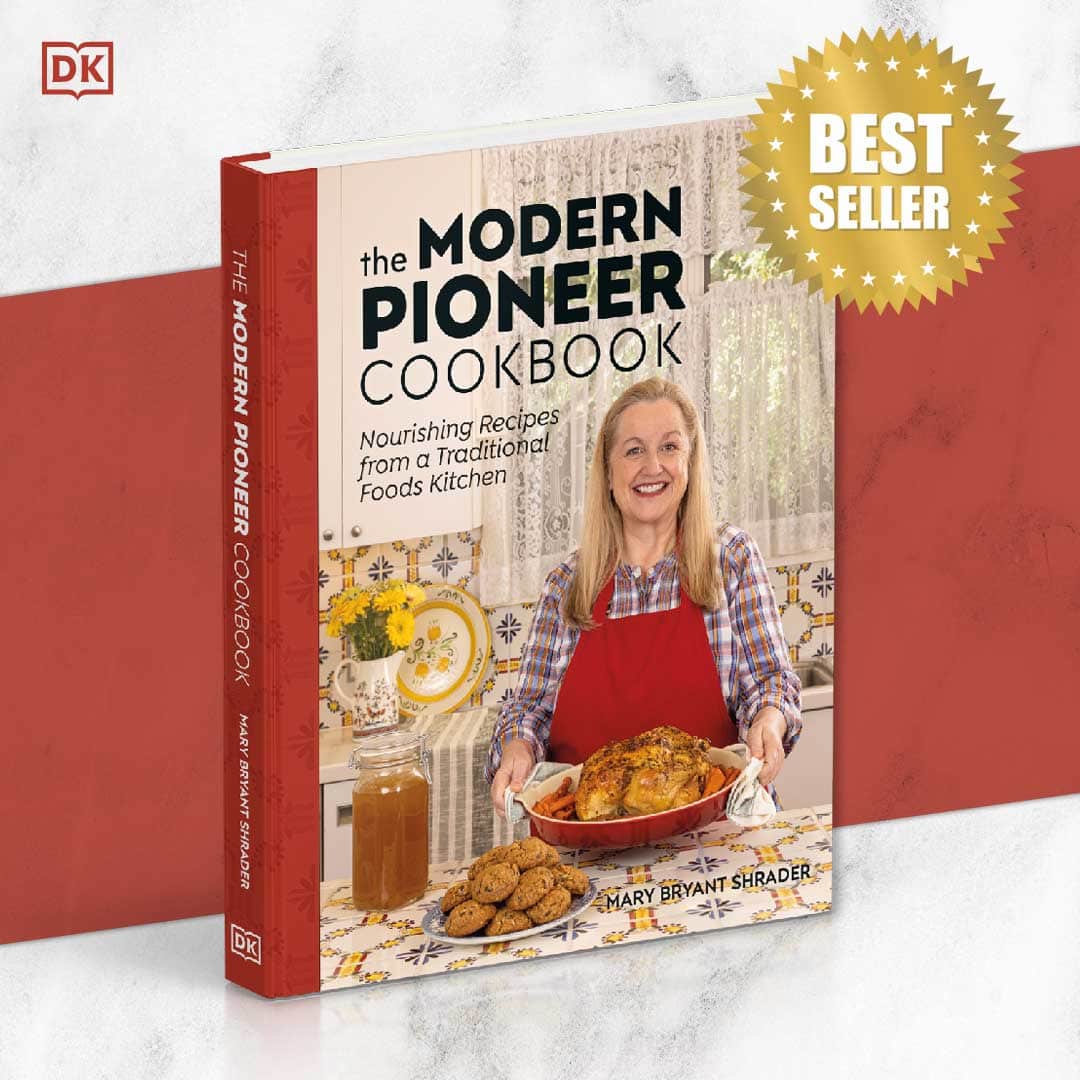
📖 Grab a copy of my bestselling book, The Modern Pioneer Cookbook
📰 Subscribe to the Mother Earth News magazine
…or mix and match!
Learn more and discover why I love my subscription to Mother Earth News.
Order YOUR COPY Now!
The Modern Pioneer Cookbook
Seasonal ingredients, traditional techniques, and nourishing recipes. Over 85 traditional, from-scratch recipes! Discover for yourself how you can use simple ingredients and traditional techniques to cook the modern pioneer way.
Order YOUR COPY Now!
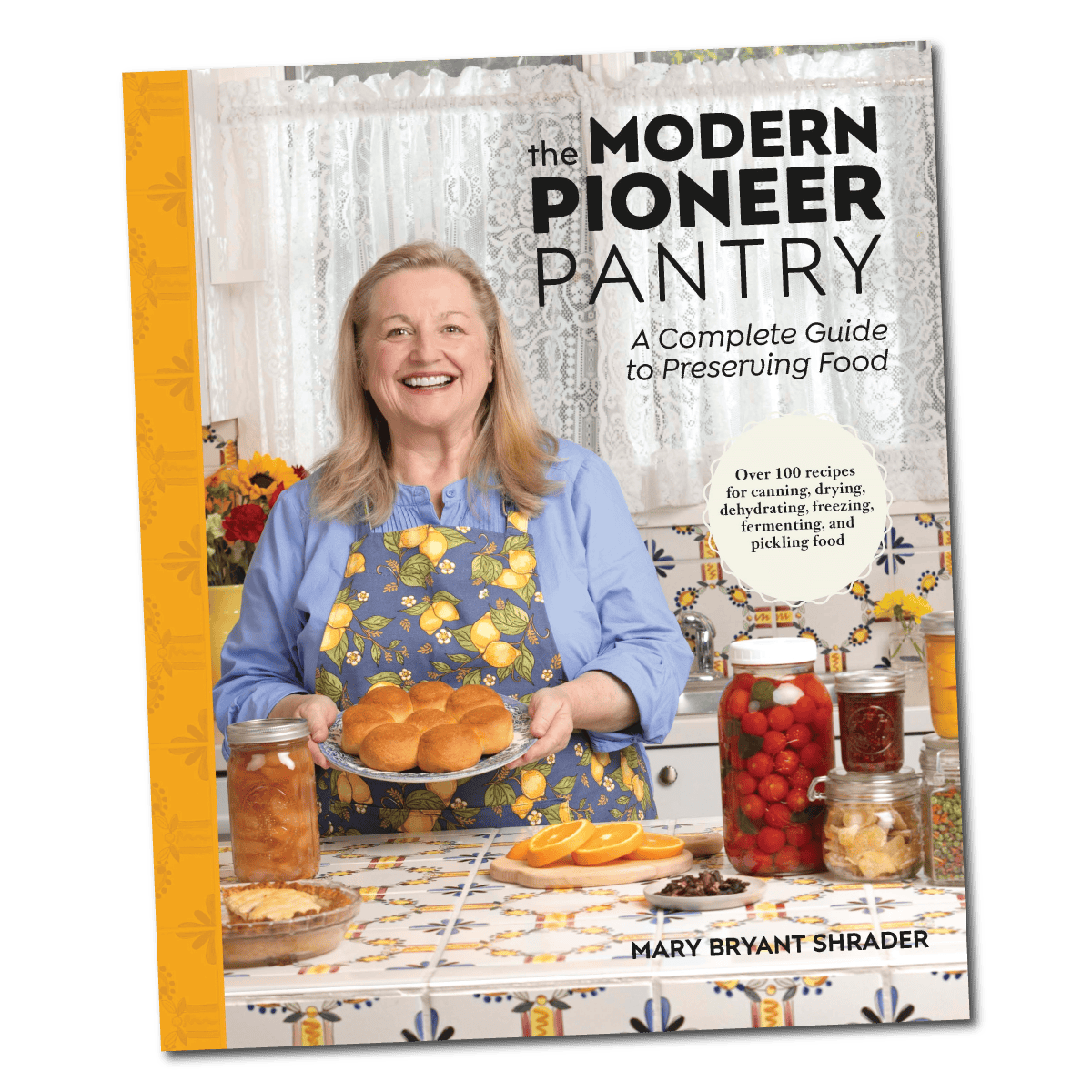
The Modern Pioneer Pantry
Simple ingredients, timeless techniques, and a well-stocked pantry. Discover over 100 nourishing recipes to preserve food and turn pantry staples into homemade meals. Build a wholesome, traditional pantry—just like a modern pioneer!
Start Your Traditional Foods Journey
Sharing my passion for traditional cooking goes beyond my YouTube cooking school—it also comes to life in the pages of my cookbooks. Both of my books, The Modern Pioneer Cookbook and The Modern Pioneer Pantry, are proudly published by Penguin Random House.
The first is filled with time-honored recipes to help you create a traditional foods kitchen, while the second is your complete guide to home food preservation. Order both books today to start or continue your traditional foods journey.
Download Your Free 36-Page Pantry List
For an extensive list of the traditional foods you can make and purchase to stock your pantry, be sure to download my free 36-page Traditional Foods Pantry List. This comprehensive eBook is full of links to recipe videos, helpful articles, and more!
Join the Traditional Foods Kitchen Academy
Are you looking for more traditional foods videos? If so, I invite you to join the Traditional Foods Kitchen Academy. Members of this optional paid YouTube community get access to exclusive videos and other members-only perks. Plus, your YouTube comments include a special members-only badge.
Kitchen Academy Videos
How to Mix Whole Grains for a Warm and Nourishing Porridge
Learn to mix oat groats, barley, and other whole grains for a warm, nourishing porridge with easy make-ahead tips and tasty toppings.
How Much of Each Natural Remedy Should You Make?
Use your family’s needs, past experience, and seasonal habits to decide how much to prepare for your Healing Pantry.

Baking Questions Answered with Ted and Mary!
Join me and my husband Ted for a Q&A filled with practical kitchen tips, helpful techniques, and answers to your baking questions.
Stay in Touch with Mary’s Nest
- Subscribe to My YouTube Channel for Traditional Foods Videos (Free) - When you subscribe, be sure to click on the notification bell that will let you know each time I upload a new video.
- Subscribe to Mary’s Traditional Foods Newsletter (Free) - Get a free 36-page eBook for signing up: How to Stock Your Essential Traditional Foods Four-Corners Pantry.
- Join the Traditional Foods Kitchen Academy - For more detailed videos and exclusive members-only perks, join my YouTube membership community.
- Order The Modern Pioneer Cookbook - Get a hardcover book of Mary's nourishing recipes from a Traditional Foods Kitchen. This bestselling cookbook is published by Penguin Random House with their DK imprint.
- Order The Modern Pioneer Pantry - Get Mary's latest hardcover cookbook about preserving food and making delicious meals from your Four Corners Pantry. Mary's second cookbook is also published by Penguin Random House.
I look forward to having you join me in my Texas Hill Country Kitchen!
Shop for My Favorite Items
Favorite Kitchen Supplies
- Favorite Aprons
- Spice Grinder
- Countertop Burner (On my kitchen island in many recipe videos.)
- Handheld Vacuum Sealing System
- Vacuum Lids
- Whisk
- Silica Gel Packets (Helps keep moisture from building up in your mix)
- Cast Iron Dutch Oven
- 8-Quart Slow-Cooker
- Fat Separator (Clever kitchen device to help you decant bone broth)
- Flour Sack Towels
- pH Strips (Helps you check on the acidity of your vinegar)
Amazon Shop and Shopping Guide
- Visit Mary’s Nest Amazon Shop
- Get a 30-day Audible trial with a free audiobook
- Visit my Shopping Guide page
Get up to 15% off for stocking your Traditional Foods Pantry and equipping your Modern Pioneer Kitchen, including discounts from US Wellness Meats, Farmhouse Teas, Backwoods Home, Masontops, Cultures for Health, Survival Garden Seeds, Redmond Real Salt, and More!